An investigation into acts of self-pleasure among parrots and other birds has reached a climax, with the results providing welcome relief for vets and researchers, not to mention the birds themselves.Bird keepers are often advised to discourage and even punish birds for masturbating, but the study found the activity was more common in the wild than in captivity, with researchers concluding it is part of a bird’s natural behaviour.The report’s authors urged vets to reassure worried owners that the antics are not harmful and warned that efforts to intervene, which range from removing perches to hormone treatment and surgery, could be far more damaging.“Our big finding is that masturbation is not a negative response to captivity,” said Dr Chloe Heys, an evolutionary ecologist at the University of Lancashire in Preston. “This is widespread in birds and we found it’s a perfectly natural and healthy behaviour that’s part of their repertoire of sexual behaviours.”Researchers historically tended to assume birds either did not masturbate or did so only under the stress of captivity. But Heys said the behaviour was quite common and distinctive. “I had a pet cockatiel that masturbated all the time,” she said. “If you’ve ever seen a bird masturbate, you absolutely know what that bird is doing.”The team surveyed bird experts and online communities of bird keepers, breeders and enthusiasts, and combined their accounts with others published in scientific literature. In total, they collected data on 120 bird species, captive and wild.Avian onanism is widespread among species, including parrots, ducks, turkeys and chickens, and more common in the wild than in captivity, the survey found. Slightly more accounts mention males, but females were by no means exempt.Typically, males would be “rubbing quite vigorously” on their perch, a toy or a twig, or on their owner’s hand, foot or shoulder, Heys said. Females tended to lift their tail and back on to convenient objects.The activity was sometimes accompanied by wing flapping and vocalisations not typically heard from the birds. Asked if they showed any signs of self-loathing or Catholic guilt, Heys thought not. “I don’t want to say satisfied, but they do look different after they finish. It’s obviously doing something for them.”Accounts from hobbyists revealed that some owners had sought veterinary help when they caught their birds masturbating, fearing the animals might hurt themselves. In turn, some vets had suggested disrupting the behaviour, by removing perches and toys and not stroking the birds in certain spots.“In really extreme cases, vets would give the birds drugs or hormonal therapies to stop them doing this,” Heys said. “There have even been cases of surgery to completely de-sex birds, which is bonkers.”“Vets shouldn’t be advising owners to stop birds doing this unless it’s obviously caused a chronic problem like a prolapse, but that’s the absolute minority of cases,” Heys added. The study’s findings have been published in the journal Ecology and Evolution.Dr Ana Basto, a vet at the University of Lancashire who was not involved in the study, said the report would help vets give better advice to bird owners. “This research is pivotal and will be a step towards achieving a more holistic understanding of why and how birds behave the way they do.”Dr Matilda Brindle, an evolutionary biologist at Oxford University and the study’s co-author, said the work added to a growing body of literature that highlighted how non-reproductive sexual behaviours occurred across the animal kingdom.“The fact that masturbation seems to be even more common in wild birds than those in captivity has huge implications for their welfare, especially given that folk husbandry often advises bird keepers to discourage or punish this behaviour, sometimes even resorting to surgery and hormonal interventions,” Brindle said.
SRCThe Guardian - World News
LANGEN
LEANCenter-Left
WORDS613
ENT12
MON · 2026-06-01 · 04:00 GMTBRIEF NSR-2026-0601-80763
NSR-2026-0601-80763News Report·EN·Human Interest
Masturbation among birds is ‘natural’ and should not be punished, say experts
A new study published in Ecology and Evolution has found that masturbation is a natural and common behavior in birds, observed in 120 species including parrots, ducks, turkeys, and chickens. Researchers surveyed experts and bird keepers, collecting data on both captive and wild birds, and concluded that the activity is more prevalent in the wild.
Ian Sample Science editorThe Guardian - World NewsFiled 2026-06-01 · 04:00 GMTLean · Center-LeftRead · 3 min
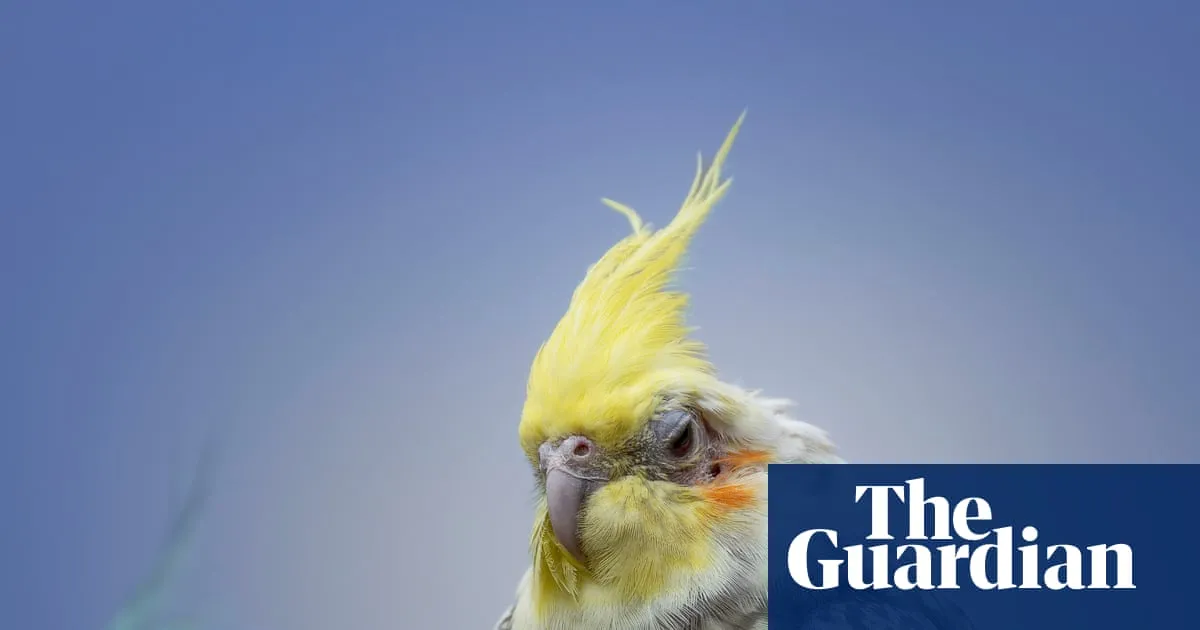
The Guardian - World NewsFIG 01
Reading time
3min
Word count
613words
Sources cited
1cited
Entities identified
12entities
Quality score
100%
§ 01
Briefing Summary
AI-generatedNEWSAR · AI
A new study published in Ecology and Evolution has found that masturbation is a natural and common behavior in birds, observed in 120 species including parrots, ducks, turkeys, and chickens. Researchers surveyed experts and bird keepers, collecting data on both captive and wild birds, and concluded that the activity is more prevalent in the wild. Experts urge veterinarians to reassure owners that this behavior is not harmful or a sign of stress from captivity, and that interventions like removing perches or resorting to surgery can be damaging. The study highlights that efforts to suppress this natural sexual behavior are unnecessary and potentially detrimental to bird welfare.
Confidence 0.90Sources 1Claims 5Entities 12
§ 02
Article analysis
Model · rule-basedFraming
Human Interest
Public Health
Tone
Mixed Tone
AI-assessed
CalmNeutralAlarmist
Factuality
0.70 / 1.00
Factual
LowHigh
Sources cited
1
Limited
FewMany
§ 03
Key claims
5 extracted01
Vets should not advise owners to stop bird masturbation unless it causes a chronic problem like a prolapse.
factualDr Chloe Heys
Confidence
0.90
02
Interventions like removing perches, hormone treatment, or surgery to stop bird masturbation can be more damaging than the behavior itself.
factualDr Chloe Heys
Confidence
0.90
03
Masturbation among birds is a common and natural behavior, not a negative response to captivity.
factualDr Chloe Heys
Confidence
0.90
04
Some vets have suggested extreme measures like surgery to de-sex birds to stop masturbation.
factualDr Chloe Heys
Confidence
0.80
05
The study found bird masturbation is more common in the wild than in captivity across 120 bird species.
factualArticle based on study
Confidence
0.80
§ 04
Full report
3 min read · 613 words§ 05
Entities
12 identifiedKey playerOppositionContextPositiveNeutralNegative
Organizations1
Locations1
§ 06
Keywords & salience
8 termsbird masturbation
1.00
natural behavior
0.90
avian sexual behavior
0.80
parrot behavior
0.70
veterinary advice
0.60
captivity vs wild
0.50
dr chloe heys
0.40
university of lancashire
0.40
§ 07
Topic connections
Interactive graph No topic relationship data available yet. This graph will appear once topic relationships have been computed.