From blacklists for UK passport holders to being asked to work illegally while on holiday, the plethora of extra costs and red tape thrown up post-Brexit are restricting opportunities for British actors seeking work in the EU.Mainland Europe has always been a springboard for those in the Creative industries, from gaining crucial first credits on a TV, film or theatre production to building a marketable resume and paying the bills while attempting to make it big in the UK or US.The Brexit impact on European touring for musicians has been well documented. In February, the singer Kate Nash said she had resorted to setting up an OnlyFans site to “sell pictures of my bum” to help cover a £26,000 loss on her last European tour because of the additional cost burdens.But there has been relatively little publicity about the impact of leaving the EU on actors and performers in film and TV, on cruise ships, on theatre tours or appearing in commercials.“Brexit has placed British performers in a cultural cul-de-sac,” said Matt Hood, the managing director of Spotlight, the casting directors’ bible that features tens of thousands of profiles of budding and famous UK performers. “What is clear is that the UK has amazing talent, and the opportunity to export that talent has diminished considerably post Brexit.”Between 2016 and 2023, Performing arts exports to the EU fell from £1.15bn to £929m, according to the Office for National Statistics.By contrast, figures for creative industry exports to non-EU countries show an 18% increase over the same period, from £1.57bn to £1.87bn.Since Brexit, new barriers that have had a devastating effect for performers include Visa rules that only allow work for up to 90 out of 180 days, inclusive of any European holiday time, and myriad customs, tax and other documents that can take an inordinate amount of time and cost to get processed, and can vary between countries.The performers’ union Equity cited one common example of a member being taxed on their accommodation costs because that was classified as a “benefit in kind”, which had a big impact on their net wages.Spotlight pointed out that, for UK performers, social security costs are deducted in the country where they are working – anywhere from 12% to 22% of their pay. This can be reclaimed but the process can take many months, and often requires paying accountants to chase the money.The National Theatre halted tours to mainland Europe in 2021 and Europe’s largest educational touring company, White Horse Theatre, which has provided English-language performances to schools and theatres across Europe for almost half a century, said last year that Brexit threatened its future.In evidence provided to an investigation being conducted by the culture select committee on the impact of Brexit on performers going to the EU, Spotlight said that jobs on TV commercials were now “almost completely unavailable to UK performers”.Over the decades, mainland Europe has proved commercially fertile for British actors, providing the backdrop for famous ads, from the Two Ronnies taking a comically contrasting trip to Paris with Hertz in the 1980s to the White Lotus star Theo James in Dolce & Gabbana’s Italy-shot fragrance campaign last year.The White Lotus star Theo James at a Dolce & Gabbana exhibition in Milan, Italy, in 2024. Photograph: NurPhoto SRL/AlamyHowever, while performers with star status continue to have a streamlined experience, it is jobbing actors who are often finding they are no longer on the list for parts.One past regular source of work was in adverts filmed abroad, such as the long-running “Get away!” campaign for the now defunct package holiday pioneer Lunn Poly, which featured British tourists filmed in locations such as the Balearic islands.In its written evidence sourced from the experiences of its members, Spotlight said it was “aware of named holiday companies that no longer audition UK-only passport holders” to appear in adverts filmed in the bloc.The difficulty for performers also extends to the many other crew involved. One casting director said that, pre-Brexit, one TV campaign employed 45 people based in the UK but similar campaigns are now being cast from Spain or another EU country.The paperwork involved, and the quick-turnaround nature of shooting, has meant that it is simply easier to not bother auditioning UK talent.One casting director said that, post Brexit, it had become easier to cast UK performers for jobs in Australia compared with the EU.Agents have turned to encouraging actors to check their heritage to see if they are eligible for some form of dual citizenship, an Irish passport, for example, while some businesses based in the EU now actively blacklist UK-only passport holders.However, the “most concerning” anecdotal evidence is of UK performers being asked to skip getting a legitimate work visa if the paperwork can’t be finalised in time, and to lie and work while claiming to be on holiday.Jonathan Shalit has ‘seen people suggest coming on the wrong visa’. Photograph: Dave Benett/Getty Images for National Portrait GallerySpotlight calls this practice a “ticking timebomb” that could involve the use of sanctions for performers and agents caught taking this route to secure work. The agency said this would include “deportation and potential blacklisting” from future opportunities.Jonathan Shalit, the founder of InterTalent Rights Group, whose clients include Joan Collins and Ross Kemp, said: “Many opportunities come fairly late in the day, and it is very hard to turn these things around quickly. It doesn’t happen with your leading players, but absolutely, I have seen people suggest coming on the wrong visa, and ‘only put your client forward if they have a European passport.’”It is young UK performers, and in particular those from a working-class background, who have been most hit by the loss of the EU for work and experience.Students and new graduates would previously have typically secured summer contracts for theme parks, tours and cruises, which are now largely closed off post Brexit because of factors such as the visa changes.According to Spotlight, casting directors have seen a significant decrease in working-class actors in particular picking up jobs in the EU.Unlike actors from wealthier backgrounds, who have access to finances to cover things such as visa costs and sometimes having to wait many months for payments relating to working in mainland Europe, they simply cannot afford to accept a job in the EU.“The simple answer is Brexit has been catastrophic for the Creative industries,” Shalit says. “We as a country made the decision to leave Europe. This is self-inflicted. Europe don’t really want us unless they have to.”
SRCThe Guardian - World News
LANGEN
LEANCenter-Left
WORDS1 081
ENT12
MON · 2026-06-01 · 13:00 GMTBRIEF NSR-2026-0601-80853
NSR-2026-0601-80853News Report·EN·Economic Impact
‘Catastrophic for creative industries’: Brexit barriers shut UK actors out of EU jobs
Brexit has created significant barriers for British actors seeking work in the European Union, leading to a decline in performing arts exports to the EU. New visa rules, customs, tax, and documentation requirements impose extra costs and delays, making it less viable for UK talent to be hired.
Mark SweneyThe Guardian - World NewsFiled 2026-06-01 · 13:00 GMTLean · Center-LeftRead · 5 min
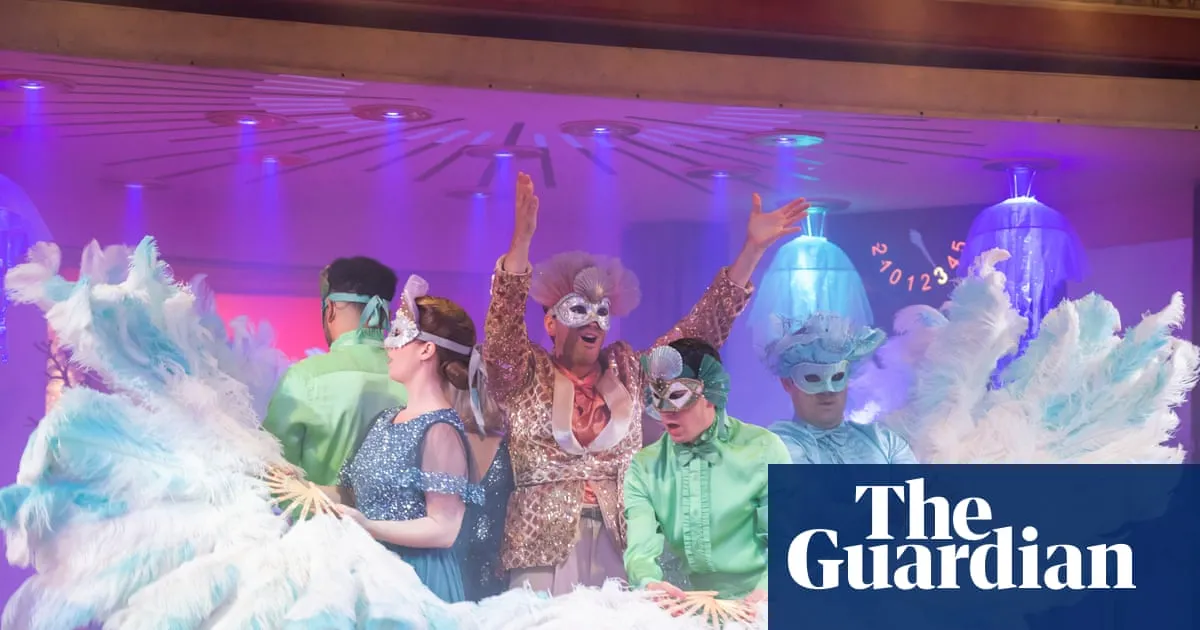
The Guardian - World NewsFIG 01
Reading time
5min
Word count
1 081words
Sources cited
5cited
Entities identified
12entities
Quality score
100%
§ 01
Briefing Summary
AI-generatedNEWSAR · AI
Brexit has created significant barriers for British actors seeking work in the European Union, leading to a decline in performing arts exports to the EU. New visa rules, customs, tax, and documentation requirements impose extra costs and delays, making it less viable for UK talent to be hired. This has resulted in EU productions increasingly casting talent from within the bloc, with some companies even blacklisting UK-only passport holders. The National Theatre and White Horse Theatre have halted European tours, and jobs in TV commercials are now largely unavailable to UK performers. Agents are advising actors to explore dual citizenship, and some UK performers are reportedly being asked to work illegally while claiming to be on holiday due to visa complexities.
Confidence 0.90Sources 5Claims 5Entities 12
§ 02
Article analysis
Model · rule-basedFraming
Economic Impact
Human Interest
Tone
Mixed Tone
AI-assessed
CalmNeutralAlarmist
Factuality
0.70 / 1.00
Factual
LowHigh
Sources cited
5
Well sourced
FewMany
§ 03
Key claims
5 extracted01
Performing arts exports to the EU fell from £1.15bn to £929m between 2016 and 2023.
statisticOffice for National Statistics
Confidence
1.00
02
Jobs on TV commercials are now 'almost completely unavailable to UK performers' due to Brexit.
quoteSpotlight
Confidence
0.95
03
The National Theatre halted tours to mainland Europe in 2021 due to Brexit impacts.
factual
Confidence
0.90
04
Visa rules allow work for only up to 90 out of 180 days, inclusive of holiday time, creating new barriers for performers.
factual
Confidence
0.90
05
Post-Brexit barriers are restricting opportunities for British actors seeking work in the EU due to extra costs and red tape.
factual
Confidence
0.90
§ 04
Full report
5 min read · 1 081 words§ 05
Entities
12 identifiedKey playerOppositionContextPositiveNeutralNegative
Organizations5
Locations1
§ 06
Keywords & salience
10 termscreative industries
1.00
brexit barriers
1.00
uk actors
0.90
eu jobs
0.90
red tape
0.80
visa rules
0.70
performing arts exports
0.60
cultural cul-de-sac
0.50
social security costs
0.40
kate nash
0.40
§ 07
Topic connections
Interactive graph Network visualization showing 51 related topics
View Full Graph Person Organization Location Event|Click node to navigate|Edge numbers = shared articles