Journalists may no longer enter the Pentagon’s press office, which has been designated as a classified space amid growing moves to restrict press access to the defense department.“This is the most transparent war department in history. No amount of spin from the Fake News media will change that,” Jose Valdez, the acting defense department press secretary, said in a social media post. “The Pentagon Press Office has been redesignated as a Sensitive Compartmented Information Facility due to speechwriters from the Office of the Secretary of War sharing the facility.”Valdez added that, because speechwriters handle classified material, “journalists will no longer be permitted to enter the office space”.The move was first reported by the Washington Post, and later confirmed by Valdez on social media.The defense department, which the Trump administration prefers to call the war department, began rolling out new restrictions to press access in September, when the military demanded journalists pledge not to gather any information – including unclassified documents – that had not been authorized for release or else risk revocation of their press passes.Credentialed journalists have long had broad access to the Pentagon, but after the defense department announced sweeping restrictions to their work in October, many longtime reporters refused to agree and began turning over their press passes. That month, the department announced a “next generation of the Pentagon press corps” featuring 60 journalists from far-right outlets. The New York Times sued the Pentagon over those policies, which designated journalists as “security risks”, and a federal judge found in the Times’s favor in March.In response, the defense department issued an interim policy barring journalists from visiting the Pentagon without an official escort. A district judge ruled that that interim policy violated his order, but it remained in place when an appeals court stayed part of the ruling to allow the government time to appeal. In May, the New York Times sued the Pentagon again over that policy a second time, arguing that it constituted “an unconstitutional attempt by the Pentagon to prevent independent reporting on military affairs”.
SRCThe Guardian - World News
LANGEN
LEANCenter-Left
WORDS340
ENT9
TUE · 2026-06-02 · 00:23 GMTBRIEF NSR-2026-0602-80997
NSR-2026-0602-80997News Report·EN·Political Strategy
Pentagon bars journalists from entering its press office citing re-designation
The Pentagon has barred journalists from entering its press office, designating it a Sensitive Compartmented Information Facility. This decision, confirmed by acting defense department press secretary Jose Valdez, is attributed to speechwriters from the Office of the Secretary of War sharing the space and handling classified material.
Cecilia NowellThe Guardian - World NewsFiled 2026-06-02 · 00:23 GMTLean · Center-LeftRead · 2 min
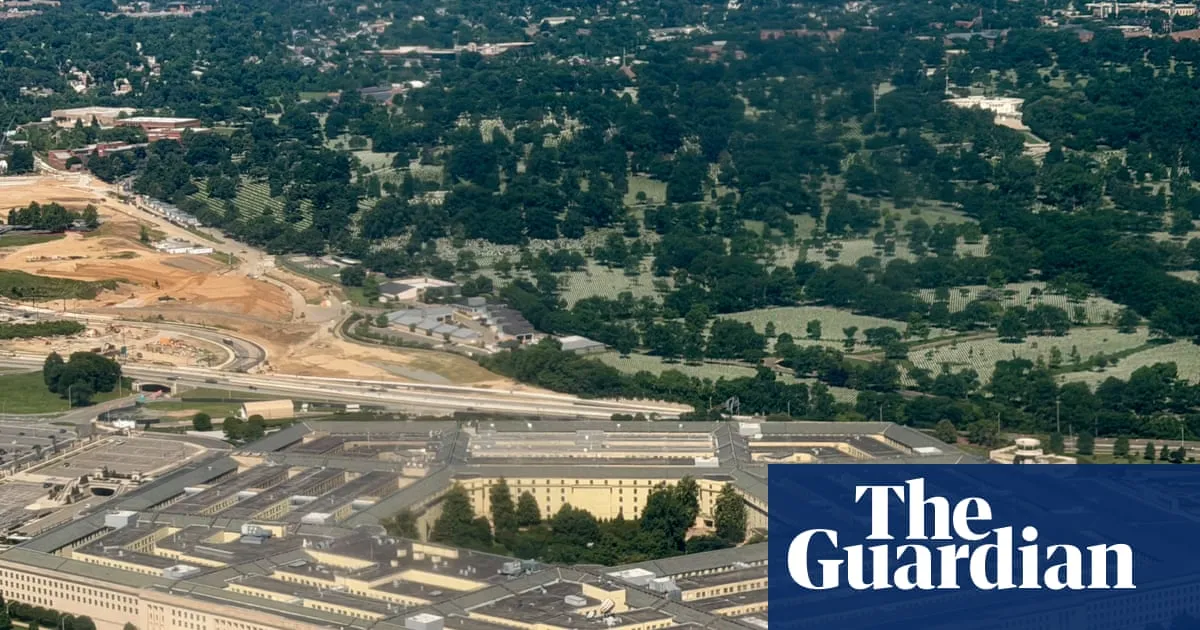
The Guardian - World NewsFIG 01
Reading time
2min
Word count
340words
Sources cited
3cited
Entities identified
9entities
Quality score
100%
§ 01
Briefing Summary
AI-generatedNEWSAR · AI
The Pentagon has barred journalists from entering its press office, designating it a Sensitive Compartmented Information Facility. This decision, confirmed by acting defense department press secretary Jose Valdez, is attributed to speechwriters from the Office of the Secretary of War sharing the space and handling classified material. Valdez stated that journalists will no longer be permitted entry because of this designation. This action follows a series of restrictions on press access implemented by the defense department, including requiring journalists to pledge not to gather unauthorized information or risk losing their press passes. These moves have led to legal challenges from news organizations like The New York Times, arguing that the policies hinder independent reporting on military affairs.
Confidence 0.90Sources 3Claims 5Entities 9
§ 02
Article analysis
Model · rule-basedFraming
Political Strategy
Legal & Judicial
Tone
Mixed Tone
AI-assessed
CalmNeutralAlarmist
Factuality
0.80 / 1.00
Factual
LowHigh
Sources cited
3
Well sourced
FewMany
§ 03
Key claims
5 extracted01
The defense department issued an interim policy barring journalists from visiting the Pentagon without an official escort, which a district judge ruled violated his order.
factual
Confidence
1.00
02
The New York Times sued the Pentagon over press access policies, and a federal judge found in the Times’s favor in March.
factual
Confidence
1.00
03
The defense department began rolling out new restrictions to press access in September, demanding journalists pledge not to gather unauthorized information or risk losing press passes.
factual
Confidence
1.00
04
The Pentagon Press Office has been redesignated as a Sensitive Compartmented Information Facility due to speechwriters from the Office of the Secretary of War sharing the facility.
quoteJose Valdez
Confidence
1.00
05
Journalists may no longer enter the Pentagon’s press office, designated as a classified space.
factual
Confidence
1.00
§ 04
Full report
2 min read · 340 words§ 05
Entities
9 identifiedKey playerOppositionContextPositiveNeutralNegative
Organizations5
§ 06
Keywords & salience
9 termspress access
1.00
pentagon
0.90
classified space
0.80
defense department
0.70
journalists
0.70
security risks
0.60
legal challenges
0.50
unconstitutional attempt
0.40
trump administration
0.40
§ 07
Topic connections
Interactive graph Network visualization showing 51 related topics
View Full Graph Person Organization Location Event|Click node to navigate|Edge numbers = shared articles