They also recorded 67,000 "ghost shops" across seven major food delivery apps, which together with the order-transfer sites "formed an illegal supply chain through mutual collusion", according to Xinhua. Food delivery platforms were complicit in these arrangements, it added. "If we're too strict in our review, the merchants would go to other platforms," a staff member from one delivery app reportedly told officials.Online food delivery is a fiercely competitive industry in China. Last year, a price war among major delivery apps led to government warnings about a race to the bottom. Bearing the brunt of ever-speedier takeouts are delivery riders scrambling to meet tight deadlines for a pittance.In April, the State Administration for Market Regulation said that they have fined seven e-commerce platforms - including Taobao, JD.com, Meituan and Pinduoduo - a total of 3.6bn yuan ($530m; £400m), mostly over deliveries from "ghost kitchens".As the campaign against "ghost kitchens" continues, merchants are trying to assure consumers of food safety.According to a Xinhua report, more than 20 takeout stalls in the eastern city of Hangzhou have installed "transparent kitchens" with live broadcasting features, allowing consumers to view food preparation in real time.In nearby Anhui province, authorities announced last week that they have signed a food safety agreement with Meituan, Taobao and JD.com, which includes using AI models to monitor kitchens and rewarding delivery riders for whistleblowing on illegal restaurants.
SRCBBC News - World
LANGEN
LEANCenter
WORDS228
ENT12
TUE · 2026-06-02 · 07:52 GMTBRIEF NSR-2026-0602-81054
NSR-2026-0602-81054News Report·EN·Legal & Judicial
China goes after 'ghost kitchens' to rein in cut-throat food delivery apps
China is cracking down on "ghost kitchens," which are essentially online food shops without physical locations, to address concerns about food safety and an illegal supply chain. Authorities discovered 67,000 such "ghost shops" across major food delivery apps, which were found to be colluding.
BBC News - WorldFiled 2026-06-02 · 07:52 GMTLean · CenterRead · 1 min
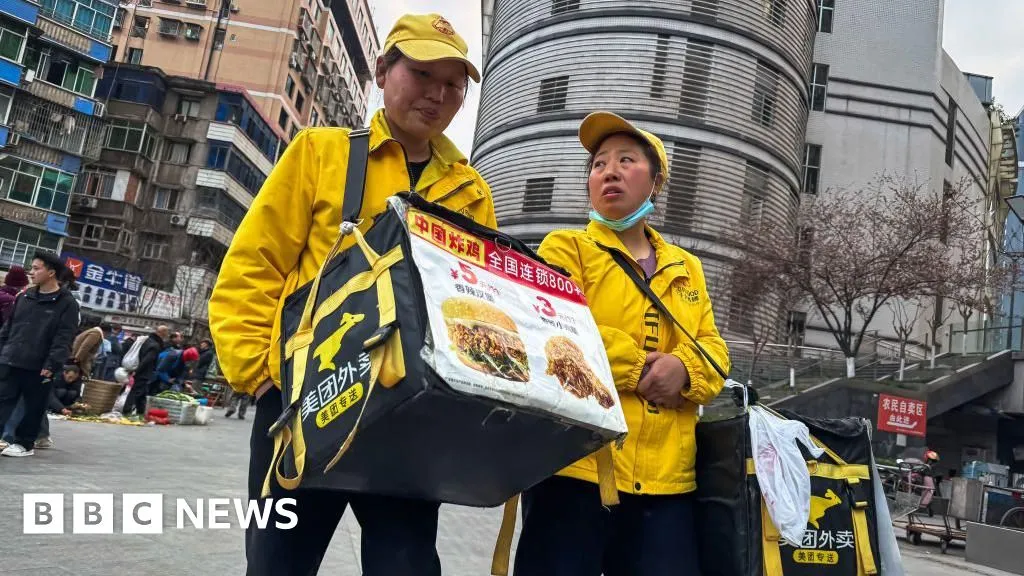
BBC News - WorldFIG 01
Reading time
1min
Word count
228words
Sources cited
3cited
Entities identified
12entities
Quality score
100%
§ 01
Briefing Summary
AI-generatedNEWSAR · AI
China is cracking down on "ghost kitchens," which are essentially online food shops without physical locations, to address concerns about food safety and an illegal supply chain. Authorities discovered 67,000 such "ghost shops" across major food delivery apps, which were found to be colluding. In April, seven e-commerce platforms, including Meituan and Taobao, were fined a total of 3.6 billion yuan for issues related to these ghost kitchens. In response, some merchants are installing transparent kitchens with live broadcasting, and authorities are implementing AI monitoring and incentivizing whistleblowing to improve food safety within the competitive food delivery industry.
Confidence 0.90Sources 3Claims 5Entities 12
§ 02
Article analysis
Model · rule-basedFraming
Legal & Judicial
Economic Impact
Tone
Measured
AI-assessed
CalmNeutralAlarmist
Factuality
0.80 / 1.00
Factual
LowHigh
Sources cited
3
Well sourced
FewMany
§ 03
Key claims
5 extracted01
Authorities in Anhui province signed a food safety agreement with Meituan, Taobao, and JD.com, including AI monitoring and rider whistleblowing rewards.
factualArticle
Confidence
1.00
02
Over 20 takeout stalls in Hangzhou installed 'transparent kitchens' with live broadcasting to assure consumers of food safety.
factualXinhua
Confidence
1.00
03
Seven e-commerce platforms, including Taobao and Meituan, were fined 3.6 billion yuan for issues related to 'ghost kitchens'.
statisticState Administration for Market Regulation
Confidence
1.00
04
China identified 67,000 'ghost shops' across seven major food delivery apps, forming an illegal supply chain.
statisticXinhua
Confidence
1.00
05
Food delivery platforms were complicit in illegal arrangements due to fear of merchants moving to other apps.
quoteXinhua
Confidence
0.90
§ 04
Full report
1 min read · 228 words§ 05
Entities
12 identifiedKey playerOppositionContextPositiveNeutralNegative
Organizations6
§ 06
Keywords & salience
9 termsghost kitchens
1.00
food delivery apps
0.90
illegal supply chain
0.80
food safety
0.70
e-commerce platforms
0.60
transparent kitchens
0.50
price war
0.50
ai models
0.40
delivery riders
0.40
§ 07
Topic connections
Interactive graph No topic relationship data available yet. This graph will appear once topic relationships have been computed.