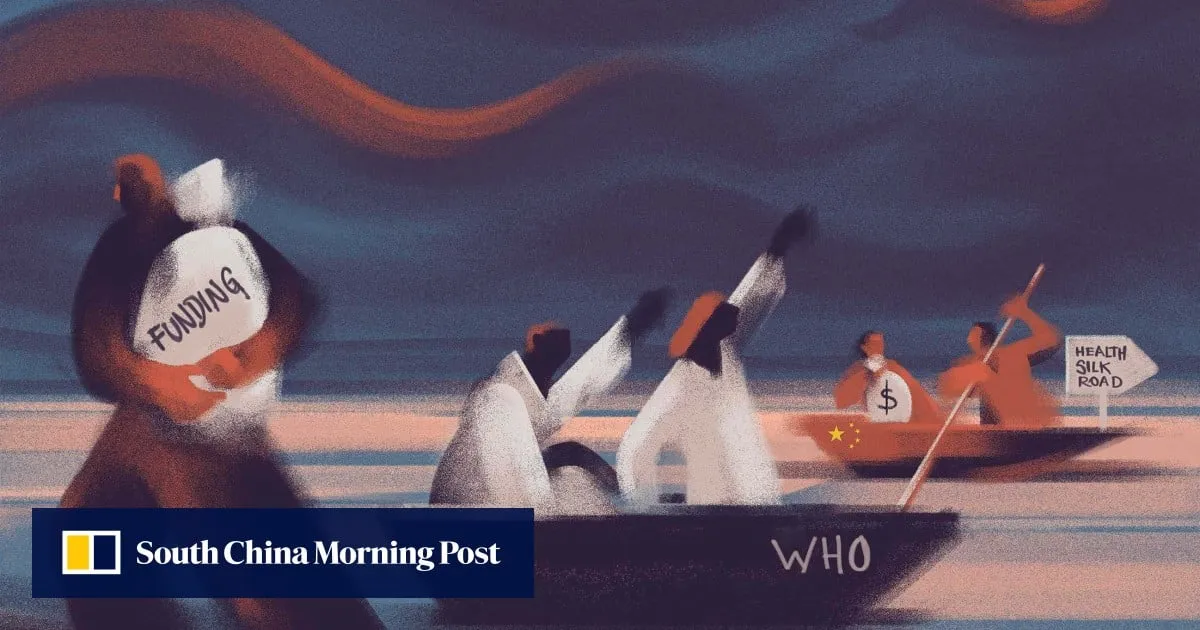
Vanuatu had a clear goal at last month’s annual assembly of the World Health Organization in Geneva – securing new international aid for the Pacific island nation.“I’m here to lobby for support,” said Jenny Stephens, Vanuatu’s director of public health.“We are experiencing the global funding cuts – it’s affecting our programmes like malaria, TB and HIV. We’re already struggling.”Vanuatu’s health programmes are among thousands in the Global South that have been halted or cancelled since the United States pulled out of the WHO and terminated both its WHO funding and much of its foreign aid after dismantling the US Agency for International Development.The WHO has estimated that aid cuts have already deprived some 53 million people, in crisis situations, of access to healthcare.President Donald Trump ordered the US withdrawal from the WHO in January 2025 – a move that took full effect early this year, with last week’s World Health Assembly (WHA) the first to be held without the United States.China has now emerged as the global health body’s biggest assessed contributor for the first time, replacing the US and raising the question of whether Beijing can not only fill the funding gap left by Washington, but also the leadership void.
SRCSouth China Morning Post
LANGEN
LEANCenter-Right
WORDS201
ENT12
TUE · 2026-06-02 · 22:00 GMTBRIEF NSR-2026-0603-81276
NSR-2026-0603-81276News Report·EN·Public Health
Can China fill funding and leadership gaps after America quit the WHO?
Following the United States' withdrawal from the World Health Organization (WHO) and termination of its funding, developing nations like Vanuatu are experiencing significant disruptions to vital health programs, including those for malaria, TB, and HIV. These cuts have impacted millions in crisis situations, depriving them of healthcare access.
Liu ZhenSouth China Morning PostFiled 2026-06-02 · 22:00 GMTLean · Center-RightRead · 1 min
South China Morning PostFIG 01
Reading time
1min
Word count
201words
Sources cited
2cited
Entities identified
12entities
Quality score
100%
§ 01
Briefing Summary
AI-generatedNEWSAR · AI
Following the United States' withdrawal from the World Health Organization (WHO) and termination of its funding, developing nations like Vanuatu are experiencing significant disruptions to vital health programs, including those for malaria, TB, and HIV. These cuts have impacted millions in crisis situations, depriving them of healthcare access. The WHO's annual assembly in Geneva was the first held without US participation. China has now become the WHO's largest assessed contributor, raising questions about its capacity to fill both the financial and leadership void left by the US.
Confidence 0.90Sources 2Claims 5Entities 12
§ 02
Article analysis
Model · rule-basedFraming
Public Health
Diplomatic
Tone
Measured
AI-assessed
CalmNeutralAlarmist
Factuality
0.70 / 1.00
Factual
LowHigh
Sources cited
2
Limited
FewMany
§ 03
Key claims
5 extracted01
The US withdrawal from the WHO took full effect early this year.
factual
Confidence
1.00
02
Vanuatu is experiencing global funding cuts affecting its malaria, TB, and HIV programs.
quoteJenny Stephens
Confidence
1.00
03
China has become the WHO's biggest assessed contributor for the first time, replacing the US.
factual
Confidence
0.98
04
The WHO estimates that aid cuts have deprived 53 million people in crisis situations of healthcare access.
statisticWHO
Confidence
0.95
05
The US withdrawal from the WHO and termination of foreign aid has halted or canceled thousands of health programs in the Global South.
factual
Confidence
0.90
§ 04
Full report
1 min read · 201 words§ 05
Entities
12 identifiedKey playerOppositionContextPositiveNeutralNegative
Organizations2
Locations5
§ 06
Keywords & salience
10 termsworld health organization
1.00
us withdrawal
0.90
funding gap
0.90
china
0.80
global health
0.70
leadership void
0.70
aid cuts
0.60
pacific island nation
0.50
healthcare access
0.50
global south
0.40
§ 07
Topic connections
Interactive graph Network visualization showing 51 related topics
View Full Graph Person Organization Location Event|Click node to navigate|Edge numbers = shared articles