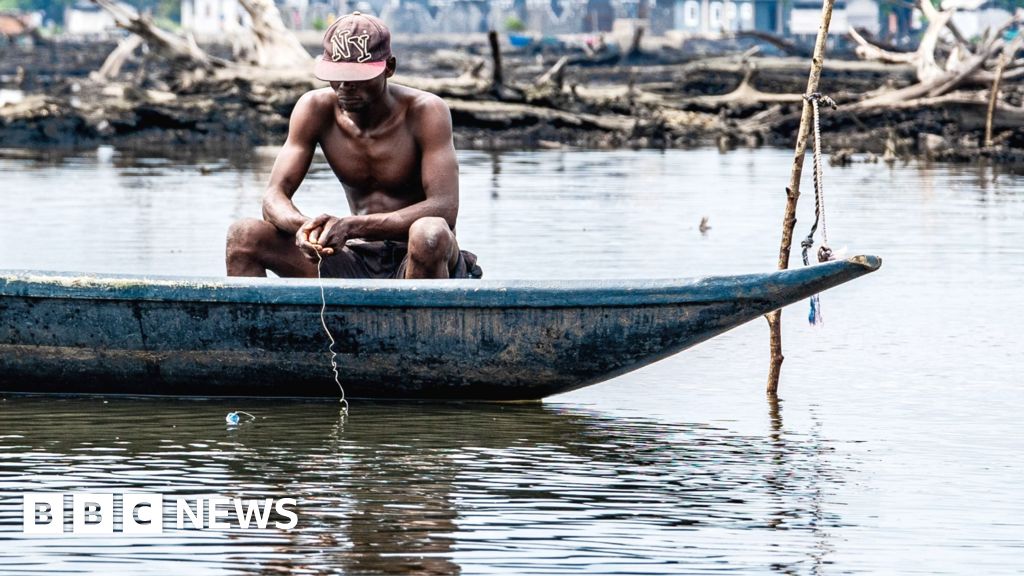
British multinational Shell continued operating a major oil pipeline in Nigeria for years even though it knew it was causing widespread pollution - despite a warning from its own staff and its own technical standards, internal documents obtained by the BBC show.The files, including emails and presentations, reveal that a senior Shell executive cautioned as early as 2008 about the risks of continuing to pump millions of barrels of unrefined fuel through one of the company's main pipelines in Africa's biggest oil producer while it was subject to massive and destructive uncontrolled theft and infrastructure failures.Across Nigeria's oil-rich southern Niger delta, decades of oil spills have left a landscape deeply scarred, with wetlands increasingly coated in crude and contaminated sediment.The BBC obtained the internal documents after Shell disclosed them as part of ongoing legal proceedings in the UK brought by communities living around the creeks and mangroves of the Niger delta, who want Shell to be liable for the pollution caused by more than 100 leaks stemming from theft and illegal refining of oil between 2011 and 2013 that have damaged their health, environment and livelihoods.The 60-mile (96.5km) Nembe Creek Trunk Line runs near the riverine community of Bille, which is made up of 45 islands, from inland oilfields to a coastal processing site for exporting.The pipeline, which Shell sold last year, was one of its biggest, most expensive and ultimately most problematic bits of infrastructure in Nigeria. It was capable of carrying up to 150,000 barrels of oil a day, but was repeatedly hit by spills and targeted by illegal oil thieves.In court papers the oil firm argues that most of the pollution has been caused by "large-scale oil theft, sabotage" and dozens of illegal refineries, and that its Nigerian subsidiary invested heavily over many years to reduce the risk of and response to spills.
SRCBBC News - World
LANGEN
LEANCenter
WORDS306
ENT10
WED · 2026-06-03 · 05:13 GMTBRIEF NSR-2026-0603-81346
NSR-2026-0603-81346News Report·EN·Environmental
Shell pumped oil through Nigeria pipeline for years despite pollution evidence, documents show
Internal Shell documents obtained by the BBC reveal the oil giant continued operating a major Nigerian pipeline for years despite internal warnings about pollution risks. As early as 2008, a senior executive cautioned about the dangers of pumping oil through the Nembe Creek Trunk Line while it was subject to theft and infrastructure failures.
BBC News - WorldFiled 2026-06-03 · 05:13 GMTLean · CenterRead · 2 min
BBC News - WorldFIG 01
Reading time
2min
Word count
306words
Sources cited
1cited
Entities identified
10entities
Quality score
100%
§ 01
Briefing Summary
AI-generatedNEWSAR · AI
Internal Shell documents obtained by the BBC reveal the oil giant continued operating a major Nigerian pipeline for years despite internal warnings about pollution risks. As early as 2008, a senior executive cautioned about the dangers of pumping oil through the Nembe Creek Trunk Line while it was subject to theft and infrastructure failures. These documents were disclosed as part of legal proceedings in the UK, where Nigerian communities are seeking liability for pollution from over 100 leaks between 2011 and 2013. Shell argues that most pollution resulted from oil theft and illegal refineries, and that its Nigerian subsidiary invested in spill risk reduction. The pipeline, which Shell sold last year, was a significant but problematic piece of infrastructure in the Niger Delta.
Confidence 0.90Sources 1Claims 5Entities 10
§ 02
Article analysis
Model · rule-basedFraming
Environmental
Legal & Judicial
Tone
Mixed Tone
AI-assessed
CalmNeutralAlarmist
Factuality
0.80 / 1.00
Factual
LowHigh
Sources cited
1
Limited
FewMany
§ 03
Key claims
5 extracted01
Decades of oil spills in Nigeria's Niger Delta have caused significant environmental damage, scarring the landscape and contaminating wetlands.
factual
Confidence
0.95
02
Communities are suing Shell in the UK, seeking liability for pollution from over 100 leaks between 2011-2013 affecting their health, environment, and livelihoods.
factualBBC
Confidence
0.90
03
A senior Shell executive warned in 2008 about the risks of continuing to pump fuel through a main pipeline subject to theft and failures.
factualBBC (citing internal documents)
Confidence
0.90
04
Shell operated a major Nigerian oil pipeline for years despite knowing it caused widespread pollution, internal documents show.
factualBBC
Confidence
0.90
05
Shell argues in court that most pollution is due to oil theft, sabotage, and illegal refineries, and that its subsidiary invested heavily to mitigate risks.
factualShell (via court papers)
Confidence
0.85
§ 04
Full report
2 min read · 306 words§ 05
Entities
10 identifiedKey playerOppositionContextPositiveNeutralNegative
Organizations2
Locations5
§ 06
Keywords & salience
10 termsnigeria
1.00
shell
1.00
oil pollution
1.00
niger delta
0.90
pipeline
0.80
oil spills
0.70
legal proceedings
0.70
oil theft
0.60
environmental damage
0.50
infrastructure failures
0.40
§ 07
Topic connections
Interactive graph Network visualization showing 9 related topics
View Full Graph Person Organization Location Event|Click node to navigate|Edge numbers = shared articles