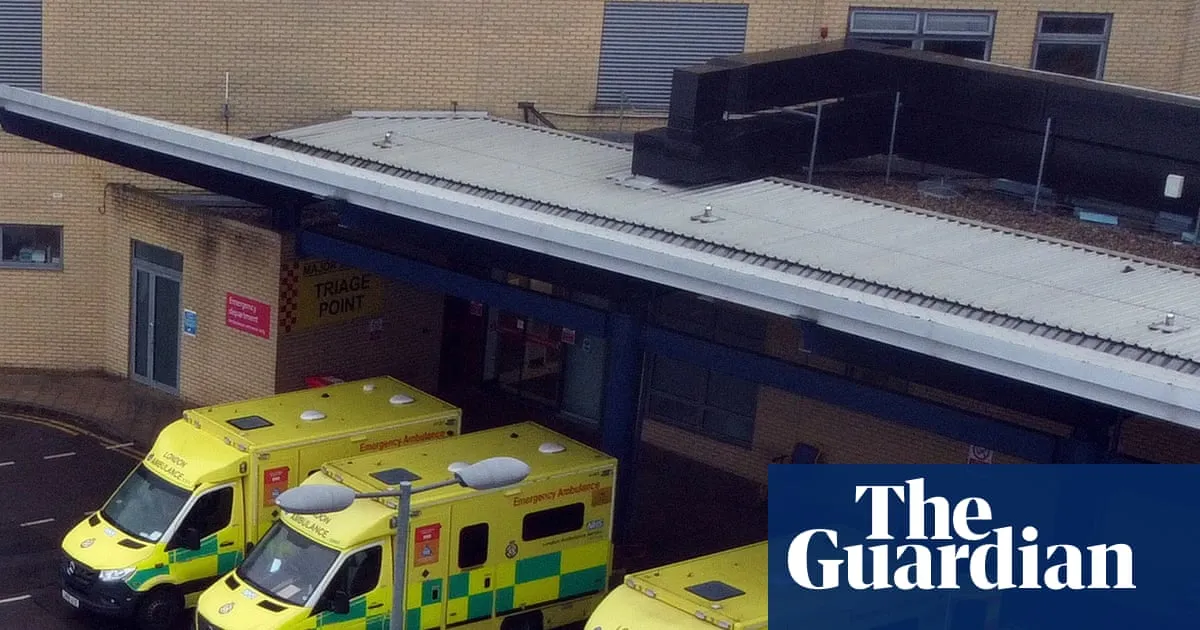
The family of a girl left brain-damaged at birth have agreed to accept £28m in damages after the NHS trust involved admitted that its mistakes led to the tragedy.NHS-trust" class="entity-link entity-organization" data-entity-id="140461" data-entity-type="organization">Barking, Havering and Redbridge university hospitals NHS trust failed to monitor the baby’s heart rate while her mother was in labour or ask an obstetrician to review the case, either of which might have led to the girl being born in a healthy condition.The girl, who is six, suffered severe hypoxia-ischaemia – loss of oxygen to her brain – while she was being born at Queen’s hospital in Romford, east London, in July 2019. That left her badly disabled.She has epilepsy, experiences unpredictable seizures and is expected to lose mobility throughout her life. She will need lifelong care to help with her cognitive and language impairments. She will also need constant supervision because she has no awareness of danger and is overly friendly with strangers.The settlement was reached out of court after the family brought a lawsuit to the high court. Its large size reflects the high costs of providing the required care and an expectation that she could live to 83.The girl’s mother demanded urgent action by ministers and NHS bosses to overhaul maternity care, which is in the spotlight after a series of scandals at trusts across England.“My daughter is thriving and doing well. But it’s impossible for me to forget that I was robbed of the precious experience of most mothers giving birth by the horror of what happened to us,” said the mother. Neither she nor her daughter can be identified for legal reasons.“Seven years on, I’m still deeply affected by seeing the hospital’s name crop up in the press regarding tragedies for other families and their babies. This is despite the repeated promises of the government and endless reviews into maternity safety. Surely someone must take the bull by the horns and take action to change things.”Two reviews are due to be published this month: the midwife Donna Ockenden’s review of how mothers and babies died or were injured while using maternity services in Nottingham, and the Labour peer Valerie Amos’s government-commissioned review of the state of childbirth services and how to improve them.This week James Murray, who replaced Wes Streeting as health secretary last month, said transforming maternity care was a priority and that services would undergo “comprehensive reform”.He said listening at a meeting of the government’s national maternity and neonatal taskforce to the parents of babies who had died was “horrific”. “This brings it home in the strongest possible sense how human and how devastating this can be, and how important it is that we change,” he said.Blunders in maternity care make up 11% of all medical negligence damages claims made against the NHS in England but represent 53% of the value of them. That is because payouts in such cases are often high as they involve what Guy Forster, the president of the Association of Personal Injury Lawyers, described as “the most catastrophic, life-changing injuries” to babies.The £28m damages is not the largest sum the NHS has agreed to pay to settle a lawsuit involving negligence in maternity care. That is thought to be the £37m cost of settling a case in 2020 involving a boy who was also starved of oxygen during his birth, at Guy’s and St Thomas’ NHS foundation trust in London.Jane Weakley, the lawyer from Fieldfisher who represented the family in the latest case, said: “Too many times the medical negligence team at Fieldfisher takes on cases where the same terrible mistakes are repeated, bringing untold tragedy.”Nic Kane, the chief nurse at the Barking, Havering and Redbridge trust, apologised and said it had improved its maternity care in recent years. “We’re extremely sorry the care this child and their family experienced was not good enough,” she said. “We’d like to reassure them, and all our expectant mothers, that since this birth in 2019 we’ve learned lessons, made significant changes and our maternity department has been rated good by the Care Quality Commission.”Forster said that despite countless reviews and initiatives to improve maternity care, “we’re not seeing a reduction in avoidable harm. The NHS needs to respond better when things go wrong. Compliance with the statutory duty of candour has been sporadic across trusts. When trusts are not transparent, vital lessons are not learned and the same patterns of harm are repeated again and again.”
SRCThe Guardian - World News
LANGEN
LEANCenter-Left
WORDS734
ENT12
THU · 2026-06-04 · 18:38 GMTBRIEF NSR-2026-0604-81824
NSR-2026-0604-81824News Report·EN·Human Interest
Family of girl left brain-damaged at birth accept £28m NHS payout
The family of a six-year-old girl who suffered brain damage at birth has accepted a £28 million NHS payout. The Barking, Havering and Redbridge university hospitals NHS trust admitted its negligence, including failing to monitor the baby's heart rate during labor, led to the tragedy at Queen's hospital in Romford in July 2019.
Denis Campbell Health policy editorThe Guardian - World NewsFiled 2026-06-04 · 18:38 GMTLean · Center-LeftRead · 3 min
The Guardian - World NewsFIG 01
Reading time
3min
Word count
734words
Sources cited
5cited
Entities identified
12entities
Quality score
100%
§ 01
Briefing Summary
AI-generatedNEWSAR · AI
The family of a six-year-old girl who suffered brain damage at birth has accepted a £28 million NHS payout. The Barking, Havering and Redbridge university hospitals NHS trust admitted its negligence, including failing to monitor the baby's heart rate during labor, led to the tragedy at Queen's hospital in Romford in July 2019. This negligence resulted in severe hypoxia-ischaemia, leaving the girl with lifelong disabilities requiring constant care. The substantial settlement reflects the high costs of her future care. The girl's mother has called for an overhaul of maternity care, citing ongoing issues despite numerous reviews and promises of reform. The NHS trust has apologized and stated improvements have been made to its maternity services.
Confidence 0.90Sources 5Claims 5Entities 12
§ 02
Article analysis
Model · rule-basedFraming
Human Interest
Social Justice
Tone
Mixed Tone
AI-assessed
CalmNeutralAlarmist
Factuality
0.70 / 1.00
Factual
LowHigh
Sources cited
5
Well sourced
FewMany
§ 03
Key claims
5 extracted01
Blunders in maternity care make up 11% of all medical negligence damages claims but represent 53% of their value.
statistic
Confidence
1.00
02
Mother demanded urgent action by ministers and NHS bosses to overhaul maternity care.
quotemother
Confidence
1.00
03
The girl suffered severe hypoxia-ischaemia, leaving her badly disabled with epilepsy and requiring lifelong care.
factual
Confidence
1.00
04
NHS trust admitted its mistakes led to the tragedy.
factual
Confidence
1.00
05
Family of girl left brain-damaged at birth accept £28m NHS payout.
factual
Confidence
1.00
§ 04
Full report
3 min read · 734 words§ 05
Entities
12 identifiedKey playerOppositionContextPositiveNeutralNegative
People4
Organizations2
Locations4
§ 06
Keywords & salience
10 termsbrain damage at birth
1.00
nhs payout
0.90
maternity care reform
0.80
hypoxia-ischaemia
0.70
nhs trust negligence
0.70
lifelong care
0.60
medical negligence
0.50
birth injury
0.50
maternity safety
0.40
queen's hospital
0.40
§ 07
Topic connections
Interactive graph No topic relationship data available yet. This graph will appear once topic relationships have been computed.