China and Russia have largely moved away from the US dollar in bilateral trade settlement, with most transactions now settled in their own currencies. Yet cross-border payment bottlenecks persist as Chinese banks carefully manage their exposure to Washington’s sanctions regime, according to a senior Russian banker.At the heart of the friction is a stark balancing act facing Chinese lenders: how to ease trade with Russia while safeguarding access to the US dollar-based global financial system – a tension that some analysts believe highlights the practical limits of de-dollarisation.“In practice, we are seeing constantly occurring gaps within the payment infrastructure,” said Alexander Vedyakhin, first deputy chairman of the management board at Sberbank, Russia’s largest bank.
SRCSouth China Morning Post
LANGEN
LEANCenter-Right
WORDS114
ENT7
FRI · 2026-06-05 · 13:15 GMTBRIEF NSR-2026-0605-81998
NSR-2026-0605-81998Analysis·EN·Economic Impact
Do China-Russia trade payment frictions show limits of de-dollarisation?
Despite China and Russia largely settling bilateral trade in their own currencies, cross-border payment issues persist. Chinese banks are navigating a delicate balance, aiming to facilitate trade with Russia while protecting their access to the U.S.
Sylvia MaSouth China Morning PostFiled 2026-06-05 · 13:15 GMTLean · Center-RightRead · 1 min
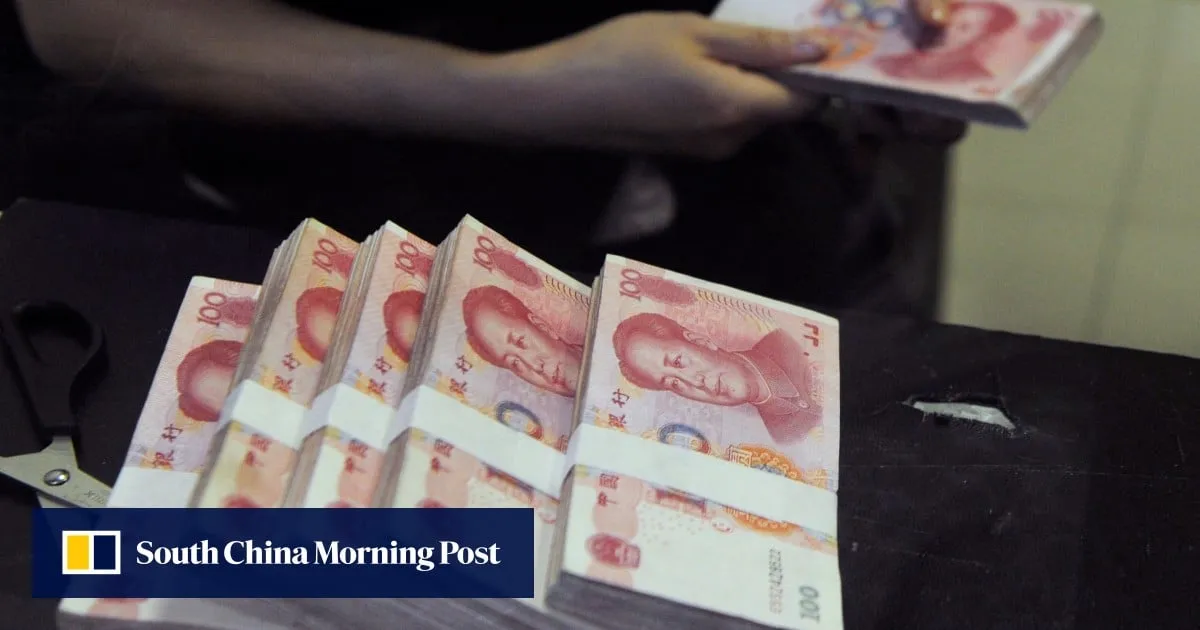
South China Morning PostFIG 01
Reading time
1min
Word count
114words
Sources cited
1cited
Entities identified
7entities
Quality score
100%
§ 01
Briefing Summary
AI-generatedNEWSAR · AI
Despite China and Russia largely settling bilateral trade in their own currencies, cross-border payment issues persist. Chinese banks are navigating a delicate balance, aiming to facilitate trade with Russia while protecting their access to the U.S. dollar-based global financial system. This situation, described by a senior Russian banker, involves "constantly occurring gaps within the payment infrastructure." Analysts suggest these frictions may reveal practical limitations of de-dollarization efforts. The core challenge for Chinese lenders is managing their exposure to U.S. sanctions while continuing trade with Russia.
Confidence 0.85Sources 1Claims 5Entities 7
§ 02
Article analysis
Model · rule-basedFraming
Economic Impact
Diplomatic
Tone
Measured
AI-assessed
CalmNeutralAlarmist
Factuality
0.60 / 1.00
Mixed
LowHigh
Sources cited
1
Limited
FewMany
§ 03
Key claims
5 extracted01
In practice, we are seeing constantly occurring gaps within the payment infrastructure.
quoteAlexander Vedyakhin
Confidence
1.00
02
Cross-border payment bottlenecks persist between China and Russia.
factual
Confidence
0.90
03
China and Russia have largely moved away from the US dollar in bilateral trade settlement, with most transactions now settled in their own currencies.
factual
Confidence
0.90
04
Chinese lenders face a balancing act: ease trade with Russia while safeguarding access to the US dollar-based global financial system.
factual
Confidence
0.85
05
Chinese banks are carefully managing their exposure to Washington’s sanctions regime.
factual
Confidence
0.80
§ 04
Full report
1 min read · 114 words§ 05
Entities
7 identifiedKey playerOppositionContextPositiveNeutralNegative
Organizations1
Locations4
§ 06
Keywords & salience
8 termsde-dollarisation
1.00
china russia trade
0.90
payment frictions
0.80
us dollar
0.70
sanctions regime
0.60
financial system
0.50
payment infrastructure
0.40
sberbank
0.40
§ 07
Topic connections
Interactive graph Network visualization showing 51 related topics
View Full Graph Person Organization Location Event|Click node to navigate|Edge numbers = shared articles