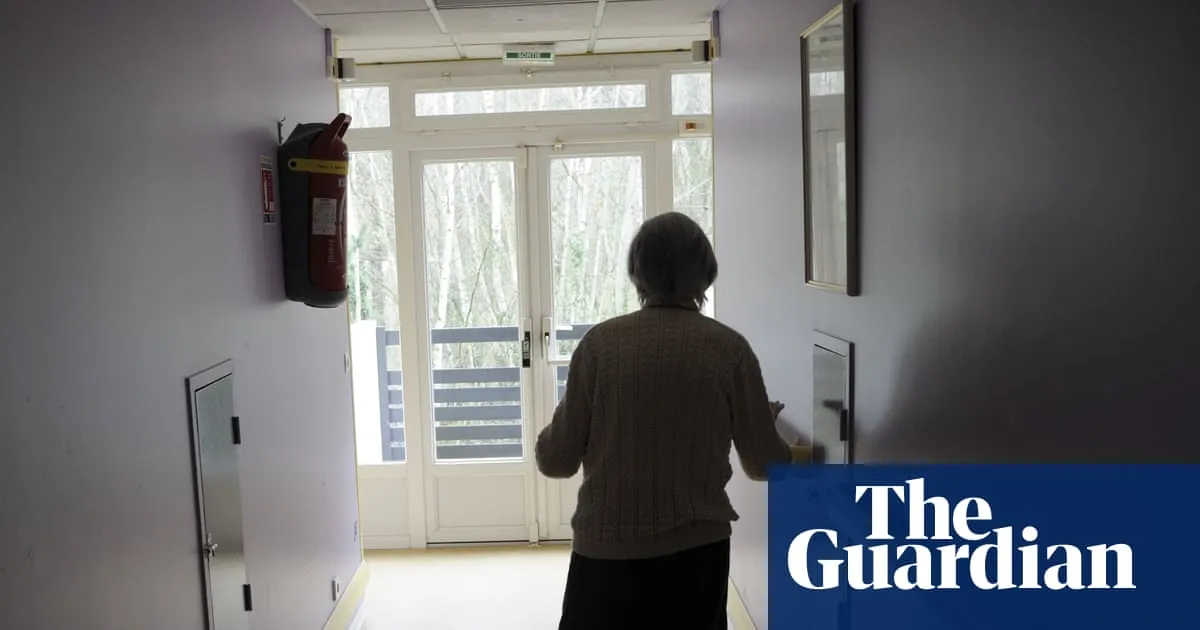
Severely disabled people will be at heightened risk of abuse in care homes and hospitals after the biggest upheaval in disability law in a generation overturned “vital” legal safeguards, campaigners have warned.They said a supreme court judgment that potentially strips the right of hundreds of thousands of vulnerable people to independent checks on the safety and appropriateness of their care “devalues the dignity of disabled people”.The landmark ruling means many adults who lack mental capacity, including autistic people with high support needs, severe learning disabilities, serious mental illness and advanced dementia, will lose access to deprivation of liberty safeguards (Dols).The supreme court judgment, issued on Tuesday, overturned an existing legal framework for ensuring people in care homes and hospitals who lack capacity to consent to necessary treatment, medication or restraint receive safe care that is in their best interests.The UK Department of Health and Social Care (DHSC) and the Northern Ireland executive had challenged the safeguarding framework, introduced in 2014 and known as the Cheshire West judgment, on the grounds that it was wrong in law, no longer needed, and had created an expensive, intrusive and unnecessary care bureaucracy.The disability charities Mencap, Mind and the National Autistic Society said this week’s judgment “removes safeguards that history shows us are vital for disabled people” while introducing a “regressive legal standard” across the NHS and social care.They added: “By removing independent checks, advocacy and automatic access to legal aid, the court has closed the gateway to justice and support for many who need it most. Stripping away these safeguards makes it easier for abuse and neglect to go unnoticed behind closed doors.”They said the judgment flew in the face of lessons about the importance of independent care oversight taken from institutional abuse and neglect scandals involving vulnerable adults, including Winterbourne View, and the death of 18-year-old Connor Sparrowhawk. At Winterbourne View, six care workers were given prison terms for “cruel, callous and degrading” abuse of disabled patients, while Sparrowhawk suffered appalling neglect at an assessment and treatment unit, and drowned in a bath, behind a locked door, in the midst of an epileptic seizure.Campaigners are concerned the judgment rules that a person without capacity who appears passive, or does not actively protest about their care, even if they are sedated or restrained, will be deemed to have consented to that care, and will lose oversight and legal protections as a result.Oliver Lewis, a barrister at Doughty Street Chambers, said: “The judgment ignores decades of evidence from disability studies that some people, by reason of their disability, are more suggestible, more prone to persuasion, more vulnerable to institutionalisation, to normalising abuse and neglect.”Campaigners are frustrated that the changes to Dols are to go ahead without public and parliamentary debate or stakeholder consultation and without an official risk and impact assessment being carried out. “Its undemocratic and outrageous,” said Lewis, who represented the charities in the case.Rashpal Bishop, the vice-president of the Association of Directors of Adult Social Services, called the ruling “seismic”, saying its redefinition of deprivation of liberty would over time reduce the number of Dols applications, many of which were not required, and enable councils to reprioritise staff and financial resources.She said the Dols system would “in time focus on a smaller group of people who are likely to be unhappy with their care arrangements and are actively objecting to their placement, or where the restrictions are extreme and there is a need to provide the legal safeguards and the ability to challenge their detention”.The Cheshire West judgment massively expanded the numbers of people subject to Dols. About 400,000 people in England and Wales were estimated to hold Dols in 2023-24, compared with about 14,000 in 2013-14. Each Dols is reassessed annually, a process that can cost more than £500 a time.Concerns about the administrative and cost burden of the post-2014 Dols system led to 2019 legislation enabling a more streamlined system called liberty protection safeguards. However, successive governments failed to introduce it. The current government said last year it would consult on the new approach.Announcing the consultation, which is yet to open, the minister of state for care, Stephen Kinnock, said last year: “Safeguarding the vulnerable and protecting their rights is the absolute priority of this government.”In its submission to the court the DHSC argued that requirements for Dols were “much reduced” since the Cheshire West judgment as “there are now extensive safeguards for incapacitated persons” not in place at the time, including Care Act protections and care quality inspections.Campaigners called for urgent guidance from the government on the new arrangements, amid fears the ruling will trigger “months of chaos” as local authorities seek to cancel current authorisations and new applications, leaving disabled people and families in limbo.A government spokesperson said: “We respect the supreme court’s decision on the meaning of deprivation of liberty. Our priority has always been safeguarding vulnerable people and ensuring their rights are protected. We will now consider the judgment carefully and its potential impacts and will set out guidance to the sector shortly.”
SRCThe Guardian - World News
LANGEN
LEANCenter-Left
WORDS838
ENT10
FRI · 2026-06-05 · 13:00 GMTBRIEF NSR-2026-0605-82027
NSR-2026-0605-82027News Report·EN·Social Justice
Ruling removes ‘vital’ UK safeguards for severely disabled people, charities warn
A UK Supreme Court ruling has overturned vital legal safeguards for hundreds of thousands of severely disabled adults who lack mental capacity. Charities warn this judgment, which came into effect this week, will increase their risk of abuse in care homes and hospitals by removing independent checks on their care.
Patrick Butler Social policy editorThe Guardian - World NewsFiled 2026-06-05 · 13:00 GMTLean · Center-LeftRead · 4 min
The Guardian - World NewsFIG 01
Reading time
4min
Word count
838words
Sources cited
4cited
Entities identified
10entities
Quality score
100%
§ 01
Briefing Summary
AI-generatedNEWSAR · AI
A UK Supreme Court ruling has overturned vital legal safeguards for hundreds of thousands of severely disabled adults who lack mental capacity. Charities warn this judgment, which came into effect this week, will increase their risk of abuse in care homes and hospitals by removing independent checks on their care. The ruling means many individuals, including autistic people and those with severe learning disabilities or dementia, may lose access to deprivation of liberty safeguards (Dols). The Department of Health and Social Care had challenged the existing framework, arguing it was costly and bureaucratic. Campaigners express concern that individuals who do not actively protest their care, even if sedated or restrained, may be deemed to have consented, losing legal protections.
Confidence 0.90Sources 4Claims 5Entities 10
§ 02
Article analysis
Model · rule-basedFraming
Social Justice
Legal & Judicial
Tone
Sensational
AI-assessed
CalmNeutralAlarmist
Factuality
0.60 / 1.00
Mixed
LowHigh
Sources cited
4
Well sourced
FewMany
§ 03
Key claims
5 extracted01
The ruling removes safeguards that history shows us are vital for disabled people.
quoteMencap, Mind and the National Autistic Society
Confidence
0.95
02
The judgment ignores decades of evidence from disability studies that some people are more suggestible and vulnerable to abuse.
quoteOliver Lewis
Confidence
0.90
03
Many adults who lack mental capacity will lose access to deprivation of liberty safeguards (Dols).
factualArticle
Confidence
0.90
04
Supreme Court judgment potentially strips hundreds of thousands of vulnerable people of independent checks on care.
factualCampaigners
Confidence
0.90
05
Campaigners are concerned that passive or non-protesting individuals, even if sedated or restrained, will be deemed to have consented to care, losing legal protections.
factualCampaigners
Confidence
0.85
§ 04
Full report
4 min read · 838 words§ 05
Entities
10 identifiedKey playerOppositionContextPositiveNeutralNegative
Organizations5
Locations1
§ 06
Keywords & salience
10 termssafeguards
1.00
disability law
1.00
severely disabled people
0.90
abuse
0.90
care homes
0.80
deprivation of liberty safeguards
0.70
mental capacity
0.70
supreme court judgment
0.60
independent checks
0.50
winterbourne view
0.40
§ 07
Topic connections
Interactive graph Network visualization showing 51 related topics
View Full Graph Person Organization Location Event|Click node to navigate|Edge numbers = shared articles