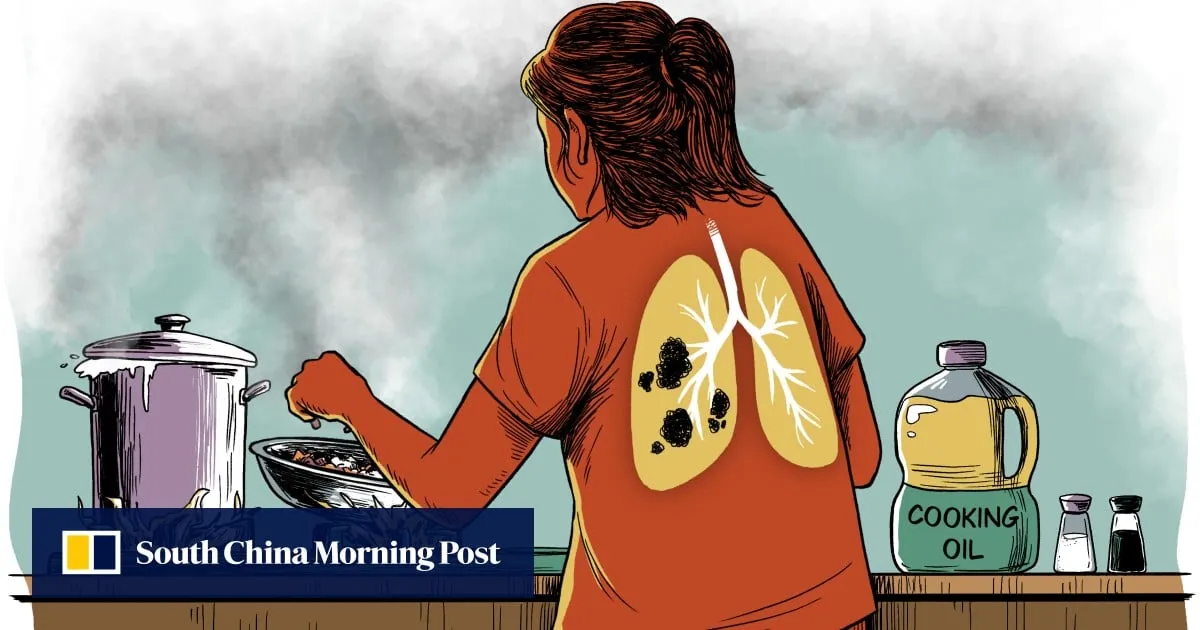
In the second of a six-part Health Matters wellness series on cancer in Hong Kong, Elizabeth Cheung examines the rise of lung cancer among women, the risk factors beyond smoking and growing calls for earlier detection.Rates of new lung cancer cases among Hong Kong women have risen by 20 per cent in the past two decades despite their smoking less than men, a South China Morning Post review has found, prompting calls for citywide screenings to catch the disease earlier.Experts said genetic predisposition and exposure to cooking fumes in poorly ventilated environments were among the factors behind the rise in the city’s most common and deadliest cancer, which is still primarily caused by smoking, among women.
SRCSouth China Morning Post
LANGEN
LEANCenter-Right
WORDS116
ENT8
SUN · 2026-06-07 · 11:00 GMTBRIEF NSR-2026-0607-82428
NSR-2026-0607-82428News Report·EN·Public Health
Smoking is down but why are more Hong Kong women getting lung cancer?
Lung cancer rates among Hong Kong women have increased by 20 percent over the past two decades, despite lower smoking rates compared to men. This trend, identified in a South China Morning Post review, has led to calls for earlier detection and citywide screenings.
Elizabeth CheungSouth China Morning PostFiled 2026-06-07 · 11:00 GMTLean · Center-RightRead · 1 min
South China Morning PostFIG 01
Reading time
1min
Word count
116words
Sources cited
1cited
Entities identified
8entities
Quality score
100%
§ 01
Briefing Summary
AI-generatedNEWSAR · AI
Lung cancer rates among Hong Kong women have increased by 20 percent over the past two decades, despite lower smoking rates compared to men. This trend, identified in a South China Morning Post review, has led to calls for earlier detection and citywide screenings. Experts suggest that factors beyond smoking, such as genetic predisposition and exposure to cooking fumes in poorly ventilated areas, contribute to this rise in the city's deadliest cancer. While smoking remains the primary cause, these other risk factors are being examined to understand the increasing incidence among women.
Confidence 0.85Sources 1Claims 5Entities 8
§ 02
Article analysis
Model · rule-basedFraming
Public Health
Human Interest
Tone
Measured
AI-assessed
CalmNeutralAlarmist
Factuality
0.70 / 1.00
Factual
LowHigh
Sources cited
1
Limited
FewMany
§ 03
Key claims
5 extracted01
There are growing calls for earlier detection of lung cancer in Hong Kong.
factualArticle
Confidence
0.90
02
Lung cancer is still primarily caused by smoking.
factualExperts
Confidence
0.90
03
Lung cancer rates among women have risen despite them smoking less than men.
factualSouth China Morning Post review
Confidence
0.90
04
Rates of new lung cancer cases among Hong Kong women have risen by 20 per cent in the past two decades.
statisticSouth China Morning Post review
Confidence
0.90
05
Genetic predisposition and exposure to cooking fumes in poorly ventilated environments are factors behind the rise in lung cancer among women.
quoteExperts
Confidence
0.80
§ 04
Full report
1 min read · 116 words§ 05
Entities
8 identifiedKey playerOppositionContextPositiveNeutralNegative
Organizations1
Locations1
§ 06
Keywords & salience
8 termslung cancer
1.00
women
0.90
hong kong
0.80
smoking
0.70
risk factors
0.60
earlier detection
0.50
genetic predisposition
0.40
cooking fumes
0.40
§ 07
Topic connections
Interactive graph Network visualization showing 51 related topics
View Full Graph Person Organization Location Event|Click node to navigate|Edge numbers = shared articles