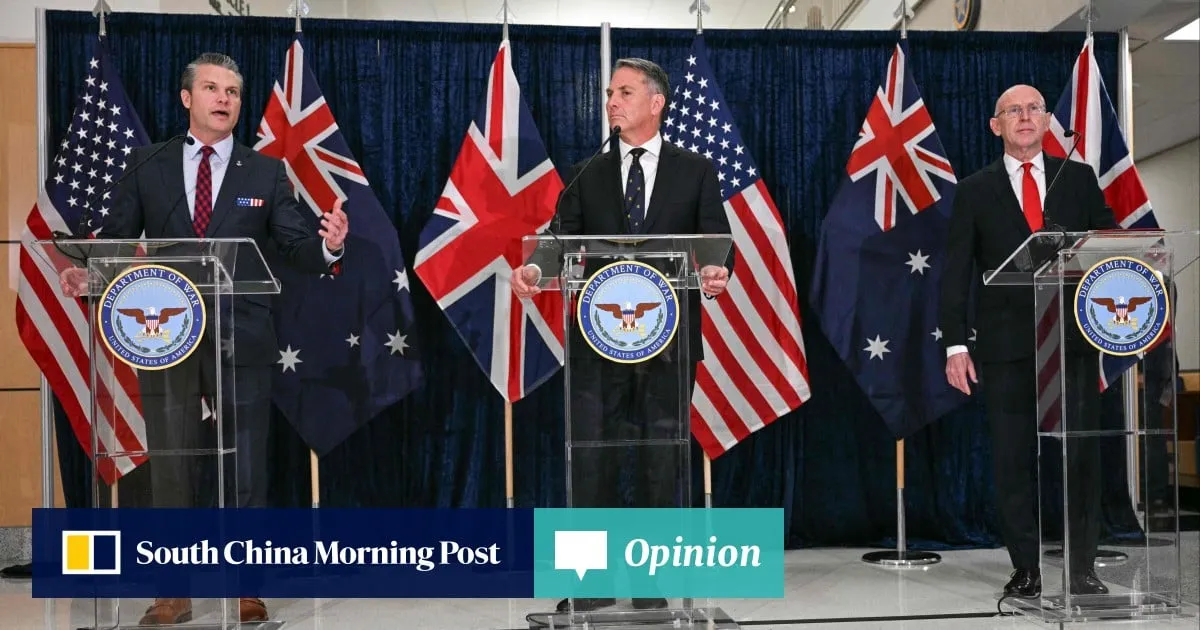
OpinionWith the ‘Indo-Pacific’ label losing its lustre, China has an opportunityAs the relevance of anti-China groupings such as the Quad and Aukus fades, Beijing and its neighbours have more room for dialogue3-MIN READ3-MIN0ListenWinston Mok, a private investor, was previously a private equity investor.Published: 4:30pm, 9 Jun 2026Updated: 5:22pm, 9 Jun 2026Beyond the diplomatic choreography of last month’s Xi-Trump summit, what are the structural implications of a less confrontational US-China relationship for the Asia-Pacific?The subsequent visits by US Secretary of State Marco Rubio to India and US Secretary of Defence Peter Hegseth to Singapore in late May shed some light on the question. Both Rubio and Hegseth had accompanied Trump to Beijing.Perhaps most telling was the switch in the usage of a geographic term by the US administration. In his keynote speech at the Shangri-la Dialogue on May 30, Hegseth referred to the Pacific 17 times. In contrast to his remarks at the same forum last year, when Hegseth used the term “Indo-Pacific” many times, he never once deployed that construct in this year’s speech.Select VoiceSelect Speed0.8x0.9x1.0x1.1x1.2x1.5x1.75x00:0000:001.00x
SRCSouth China Morning Post
LANGEN
LEANCenter-Right
WORDS176
ENT12
TUE · 2026-06-09 · 08:30 GMTBRIEF NSR-2026-0609-82959
NSR-2026-0609-82959Opinion·EN·Political Strategy
With the ‘Indo-Pacific’ label losing its lustre, China has an opportunity
The article suggests that the US administration's declining use of the "Indo-Pacific" label, as evidenced by Secretary of Defense Peter Hegseth's recent speech at the Shangri-la Dialogue, indicates a shift in US-China relations. Hegseth referred to the "Pacific" extensively, omitting the "Indo-Pacific" construct he used previously.
Winston MokSouth China Morning PostFiled 2026-06-09 · 08:30 GMTLean · Center-RightRead · 1 min
South China Morning PostFIG 01
Reading time
1min
Word count
176words
Sources cited
2cited
Entities identified
12entities
Quality score
100%
§ 01
Briefing Summary
AI-generatedNEWSAR · AI
The article suggests that the US administration's declining use of the "Indo-Pacific" label, as evidenced by Secretary of Defense Peter Hegseth's recent speech at the Shangri-la Dialogue, indicates a shift in US-China relations. Hegseth referred to the "Pacific" extensively, omitting the "Indo-Pacific" construct he used previously. This change, following a Xi-Trump summit and visits by US officials to India and Singapore, implies a less confrontational US-China relationship. The author posits that as anti-China groupings like the Quad and Aukus lose relevance, China and its neighbors may have increased opportunities for dialogue, presenting China with a potential advantage.
Confidence 0.90Sources 2Claims 4Entities 12
§ 02
Article analysis
Model · rule-basedFraming
Political Strategy
Diplomatic
Tone
Measured
AI-assessed
CalmNeutralAlarmist
Factuality
0.20 / 1.00
Opinion-Heavy
LowHigh
Sources cited
2
Limited
FewMany
§ 03
Key claims
4 extracted01
US Secretary of Defense Peter Hegseth referred to the Pacific 17 times in his Shangri-la Dialogue speech on May 30, and never used the term 'Indo-Pacific'.
factualarticle
Confidence
0.90
02
A less confrontational US-China relationship has structural implications for the Asia-Pacific.
factual
Confidence
0.70
03
Beijing and its neighbors have more room for dialogue as the 'Indo-Pacific' label loses its lustre.
factual
Confidence
0.60
04
The relevance of anti-China groupings such as the Quad and Aukus is fading.
factual
Confidence
0.60
§ 04
Full report
1 min read · 176 words§ 05
Entities
12 identifiedKey playerOppositionContextPositiveNeutralNegative
People4
Organizations2
§ 06
Keywords & salience
8 termsindo-pacific
1.00
china
0.90
us-china relationship
0.80
quad
0.70
aukus
0.70
asia-pacific
0.60
dialogue
0.50
shangri-la dialogue
0.40
§ 07
Topic connections
Interactive graph Network visualization showing 51 related topics
View Full Graph Person Organization Location Event|Click node to navigate|Edge numbers = shared articles