Scrapping of Franco-German fighter jet leaves allies at odds on defence future3 hours agoJessica ParkerBerlin correspondentAirbus Defence and Space 2022A visualisation of the Future Combat Air System (FCAS) plane in the skyGermany has pulled the plug on a joint fighter jet programme with France, in a blow to European defence co-operation.The flagship project had been billed as an ambitious and unparalleled military partnership. Instead, it became a glaring example of discord between the two nations.The decision undermines efforts to show that Europe can act strategically and with common purpose. It also comes at a time of fraying ties with the US, and continued Russian aggression in Ukraine.So, how did we get here and why does it matter?The project was "conceived in a different world", said Christoph Bergs - an air power analyst at the Royal United Services Institute (Rusi).The jet was a key part of the wider Future Combat Air System (FCAS) scheme. It was a plan hatched in 2017 by then German Chancellor, Angela Merkel, and a freshly elected French President, Emmanuel Macron.Back then, it was a way of "resetting" Franco-German relations and pooling what were, at the time, more "limited" financial resources in terms of defence expenditure, Bergs explained."This is a revolution," declared Macron at the time. "But we're not afraid of revolutions when they are peaceful, well-thought and meant to last."He has long championed the idea that Europe must pull together in areas like defence, to make itself less dependent on partners who may prove unreliable.There are multiple pillars within FCAS including engines, sensors and a digital intelligence network known as "combat cloud".But the jet always took centre stage.AFP via Getty ImagesFriedrich Merz (C) has openly questioned the scheme since early this yearGerman officials claim "core" aspects of the project – outside of the fighter plane – will continue, but it isn't exactly clear what that means.What is known is that disagreements emerged, over time, between the main industry players, France's Dassault Aviation and European aerospace firm Airbus – which represented Germany and Spain, who joined the project later.There were disputes about control of the scheme and how the work would be divided up.In France, Dassault was seen as the prime contractor, but prominent German defence analyst Nico Lange claimed the problem ultimately lay with the French firm, amid German reports that it was pushing for a leadership role."Things go well with other French companies," said Lange on X. "FCAS is not synonymous with "European defence… there will be many other good projects."Dassault has yet to comment on the situation.Dassault AviationThe FCAS next-generation fighter project has been fraught with difficultyHowever, it also became apparent that Germany and France were after different things.The French wanted a "small, light fighter" that could take off from its Charles de Gaulle aircraft carrier, whereas the Germans wanted a bigger jet that could offer "air superiority", said Rusi's Christoph Bergs.At the same time, German industry has become "emboldened" by massive domestic hikes in defence expenditure, meaning it's less likely to make concessions it didn't see as feasible, observes Bergs.Germany's once-thrifty approach to defence has taken an about-turn following Russia's full-scale invasion of Ukraine in 2022, and since US President Donald Trump piled pressure on Europe to pay more for its own security.By February this year German Chancellor Friedrich Merz was openly questioning the scheme."Will we still need a manned fighter jet in 20 years' time?" he mused on the Machtwechsel podcast. "Do we still need it, given that we will have to develop it at great expense?"A discussion between Merz and Macron, at a summit last week, appears to have been a decisive moment in bringing the jet project to an end.Berlin would then go first in announcing the news on Monday, with German officials saying that Merz had "suggested" to Macron that they should abandon the jet.Both leaders, said Berlin, had reached a shared conclusion that the companies involved "cannot reach an agreement".A subsequent statement from the Élysée Palace struck a more mournful note, saying that the leaders had expressed "regrets" that the industries involved hadn't been able to make it work."France remains convinced that the Franco-German co-operation in defence and security is essential for both countries, as well as for our European partners," the Élysée added.Christoph Bergs of Rusi said that while the timing was "inopportune", the countries involved now had a chance to "reassess" what they want given technological developments in recent years.
SRCBBC News - World
LANGEN
LEANCenter
WORDS734
ENT12
TUE · 2026-06-09 · 14:54 GMTBRIEF NSR-2026-0609-83073
NSR-2026-0609-83073News Report·EN·Diplomatic
Scrapping of Franco-German fighter jet leaves allies at odds on defence future
Germany has officially pulled out of a joint fighter jet program with France, a key component of the broader Future Combat Air System (FCAS) initiative. This decision, announced by German officials, stems from disagreements between industry partners Dassault Aviation and Airbus regarding control and work division, as well as differing national requirements for the jet's design.
BBC News - WorldFiled 2026-06-09 · 14:54 GMTLean · CenterRead · 3 min
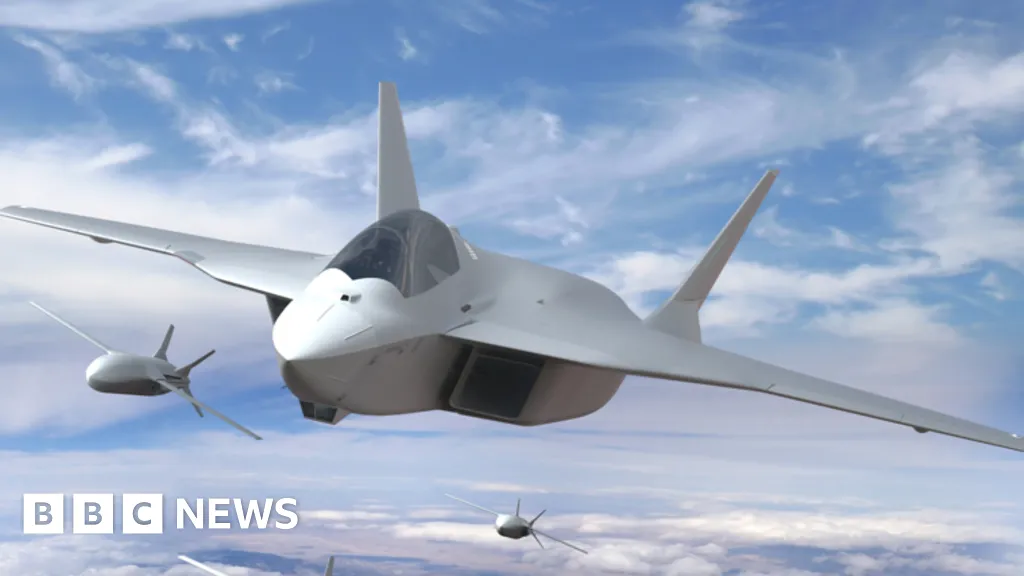
BBC News - WorldFIG 01
Reading time
3min
Word count
734words
Sources cited
3cited
Entities identified
12entities
Quality score
100%
§ 01
Briefing Summary
AI-generatedNEWSAR · AI
Germany has officially pulled out of a joint fighter jet program with France, a key component of the broader Future Combat Air System (FCAS) initiative. This decision, announced by German officials, stems from disagreements between industry partners Dassault Aviation and Airbus regarding control and work division, as well as differing national requirements for the jet's design. While German officials state that other aspects of the FCAS project will continue, the scrapping of the fighter jet highlights discord between the two nations and undermines European defense cooperation efforts. The project, launched in 2017, aimed to enhance European self-reliance in defense.
Confidence 0.90Sources 3Claims 5Entities 12
§ 02
Article analysis
Model · rule-basedFraming
Diplomatic
Political Strategy
Tone
Mixed Tone
AI-assessed
CalmNeutralAlarmist
Factuality
0.70 / 1.00
Factual
LowHigh
Sources cited
3
Well sourced
FewMany
§ 03
Key claims
5 extracted01
German defence analyst Nico Lange claimed the problem ultimately lay with the French firm Dassault Aviation.
quoteNico Lange
Confidence
1.00
02
The Future Combat Air System (FCAS) project was conceived in 2017 by then German Chancellor Angela Merkel and French President Emmanuel Macron.
factual
Confidence
1.00
03
Germany has pulled the plug on a joint fighter jet programme with France, impacting European defence co-operation.
factual
Confidence
1.00
04
Disagreements emerged between industry players Dassault Aviation and Airbus over control and work division in the FCAS project.
factual
Confidence
0.90
05
French officials desired a 'small, light fighter' for carrier take-off, while German requirements differed.
factual
Confidence
0.80
§ 04
Full report
3 min read · 734 words§ 05
Entities
12 identifiedKey playerOppositionContextPositiveNeutralNegative
Organizations3
Locations6
§ 06
Keywords & salience
10 termsfighter jet programme
1.00
european defence co-operation
0.90
future combat air system
0.90
franco-german relations
0.80
european defence
0.70
military partnership
0.60
dassault aviation
0.50
airbus defence and space
0.50
russian aggression
0.40
combat cloud
0.40
§ 07
Topic connections
Interactive graph Network visualization showing 51 related topics
View Full Graph Person Organization Location Event|Click node to navigate|Edge numbers = shared articles