Hilton Root is a professor of public policy at George Mason University, a former senior adviser at the US Treasury Department, and the author of 10 books on international political economy.The post-summit detente between Washington and Beijing has moved from diplomatic language to institutional design. Less than three weeks after the summit between President Xi Jinping and US President Donald Trump, the US Trade Representative (USTR) asked companies to identify “non-sensitive” Chinese goods that might qualify for tariff relief under a new US-China Board of Trade.On the same day, the USTR also proposed Section 301 duties on imports from 60 economies, including China, after its forced labour investigation. These parallel moves are the first test of whether the promised trade and investment boards can manage disputes over tariffs, drones, rare earths, licensing and market access.According to the White House, the two leaders agreed to establish Boards of Trade and Investment as part of their agreement to build a constructive relationship of strategic stability based on fairness and reciprocity. Xi’s account put the emphasis differently, describing stability in terms of cooperation as the mainstay, competition within proper limits, manageable differences and “expectable peace”.
SRCSouth China Morning Post
LANGEN
LEANCenter-Right
WORDS192
ENT11
WED · 2026-06-10 · 12:30 GMTBRIEF NSR-2026-0610-83291
NSR-2026-0610-83291Analysis·EN·Diplomatic
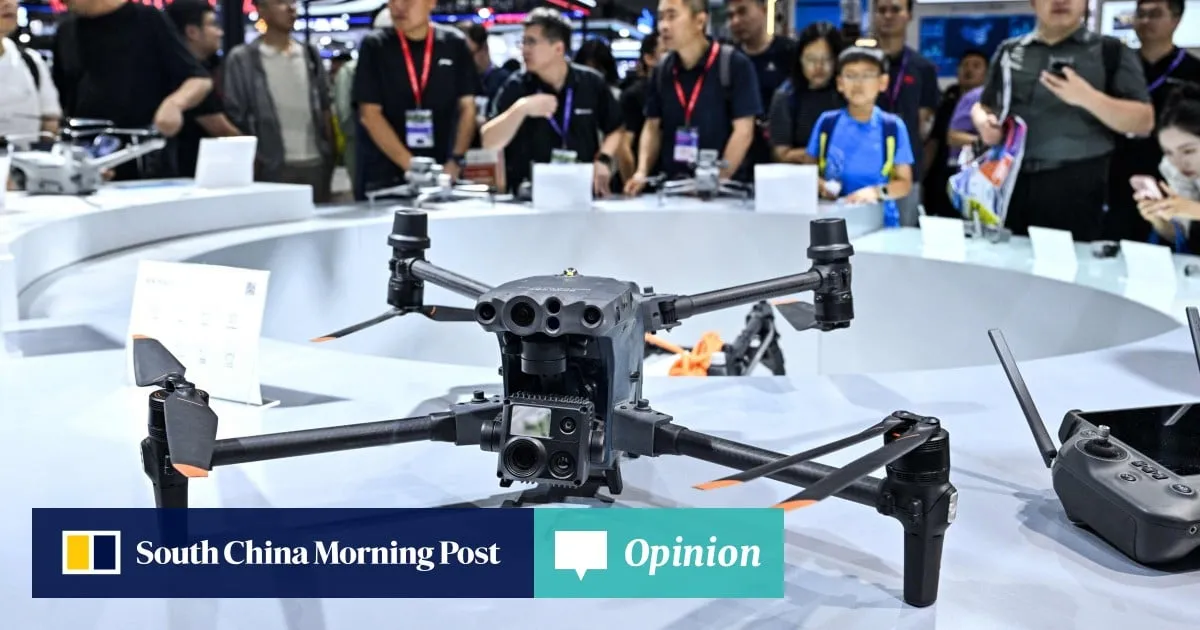
How drones, tariffs and rare earths could test US-China detente
Following a summit between Presidents Xi Jinping and Donald Trump, the US-China relationship is transitioning from diplomatic rhetoric to institutional frameworks. The US Trade Representative (USTR) has initiated actions that will test this new phase.
Hilton RootSouth China Morning PostFiled 2026-06-10 · 12:30 GMTLean · Center-RightRead · 1 min
South China Morning PostFIG 01
Reading time
1min
Word count
192words
Sources cited
1cited
Entities identified
11entities
Quality score
100%
§ 01
Briefing Summary
AI-generatedNEWSAR · AI
Following a summit between Presidents Xi Jinping and Donald Trump, the US-China relationship is transitioning from diplomatic rhetoric to institutional frameworks. The US Trade Representative (USTR) has initiated actions that will test this new phase. The USTR requested companies identify non-sensitive Chinese goods for potential tariff relief under a new US-China Board of Trade. Simultaneously, the USTR proposed Section 301 duties on imports from 60 economies, including China, following a forced labor investigation. These actions represent the initial challenges for newly established trade and investment boards, intended to manage disputes over issues like tariffs, drones, rare earths, licensing, and market access, as agreed upon by the leaders to foster strategic stability.
Confidence 0.90Sources 1Claims 4Entities 11
§ 02
Article analysis
Model · rule-basedFraming
Diplomatic
Economic Impact
Tone
Measured
AI-assessed
CalmNeutralAlarmist
Factuality
0.60 / 1.00
Mixed
LowHigh
Sources cited
1
Limited
FewMany
§ 03
Key claims
4 extracted01
China's President Xi Jinping described stability in terms of cooperation as the mainstay, competition within limits, and manageable differences.
quoteXi Jinping
Confidence
0.90
02
The USTR proposed Section 301 duties on imports from 60 economies, including China, after a forced labor investigation.
factualUSTR
Confidence
0.90
03
The US Trade Representative (USTR) asked companies to identify “non-sensitive” Chinese goods for tariff relief.
factualUSTR
Confidence
0.90
04
The US and China agreed to establish Boards of Trade and Investment to build a constructive relationship.
factualWhite House
Confidence
0.80
§ 04
Full report
1 min read · 192 words§ 05
Entities
11 identifiedKey playerOppositionContextPositiveNeutralNegative
Organizations3
§ 06
Keywords & salience
9 termsus-china detente
1.00
tariffs
0.90
rare earths
0.80
drones
0.70
board of trade
0.60
market access
0.50
international political economy
0.40
strategic stability
0.40
fairness and reciprocity
0.40
§ 07
Topic connections
Interactive graph Network visualization showing 51 related topics
View Full Graph Person Organization Location Event|Click node to navigate|Edge numbers = shared articles