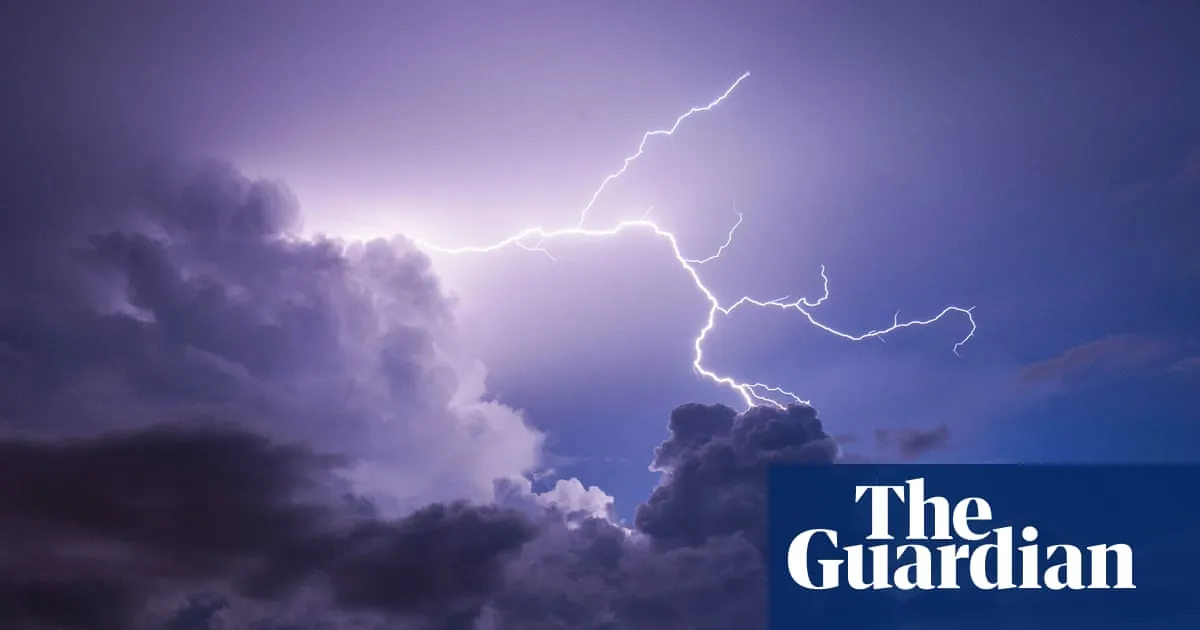
Hot weather will be a major concern at the World Cup, but lightning may also prove a particular problem. Under US safety regulations, a strike within 10 miles (16km) of a stadium triggers a 30-minute suspension of the game, during which players must leave the pitch.The size of the safety zone was dictated by research on the distance that lightning can strike from a storm even with no clouds overhead. This is more than a theoretical risk. During a game in the Democratic Republic of the Congo in 1998, an entire team was killed by a single bolt of lightning. There have been many other deadly incidents.The rules say if there is no more lightning within the 30 minutes, the game can restart. But any further electrical activity resets the clock for another half an hour. If the delay lasts for more than an hour, officials may have to consider rescheduling the game.The lightning ruling would not normally be an issue, except that some games are taking place in Florida, the lightning capital of the US. June and July are the also peak months for thunderstorms, with an average of 20 stormy days each.
SRCThe Guardian - World News
LANGEN
LEANCenter-Left
WORDS194
ENT7
THU · 2026-06-11 · 05:00 GMTBRIEF NSR-2026-0611-83478
NSR-2026-0611-83478News Report·EN·Human Interest
Lightning stops play: how electrical storms could disrupt the World Cup
The upcoming World Cup faces potential disruptions from lightning, particularly in Florida, a region known for frequent thunderstorms. US safety regulations mandate a 30-minute suspension of play if lightning strikes within a 10-mile radius of a stadium, requiring players to leave the field.
David HamblingThe Guardian - World NewsFiled 2026-06-11 · 05:00 GMTLean · Center-LeftRead · 1 min
The Guardian - World NewsFIG 01
Reading time
1min
Word count
194words
Sources cited
0cited
Entities identified
7entities
Quality score
100%
§ 01
Briefing Summary
AI-generatedNEWSAR · AI
The upcoming World Cup faces potential disruptions from lightning, particularly in Florida, a region known for frequent thunderstorms. US safety regulations mandate a 30-minute suspension of play if lightning strikes within a 10-mile radius of a stadium, requiring players to leave the field. This safety zone accounts for lightning's ability to strike even without visible clouds. If lightning continues, the 30-minute delay resets, and prolonged suspensions exceeding an hour could lead to game rescheduling. These rules are in place due to the documented dangers of lightning, including a tragic incident in 1998 where an entire team was killed. The timing of the World Cup in June and July coincides with peak thunderstorm season in Florida, increasing the likelihood of such delays.
Confidence 0.90Claims 4Entities 7
§ 02
Article analysis
Model · rule-basedFraming
Human Interest
Public Health
Tone
Measured
AI-assessed
CalmNeutralAlarmist
Factuality
0.80 / 1.00
Factual
LowHigh
Sources cited
0
No named sources
FewMany
§ 03
Key claims
4 extracted01
If a lightning delay exceeds an hour, officials may need to reschedule games.
factual
Confidence
1.00
02
Florida is the lightning capital of the US, and June/July are peak months for thunderstorms.
factual
Confidence
1.00
03
A lightning strike in the Democratic Republic of the Congo in 1998 killed an entire team.
factual
Confidence
1.00
04
US safety regulations trigger a 30-minute game suspension for lightning strikes within 10 miles of a stadium.
factual
Confidence
1.00
§ 04
Full report
1 min read · 194 words§ 05
Entities
7 identifiedKey playerOppositionContextPositiveNeutralNegative
Locations3
§ 06
Keywords & salience
8 termslightning
1.00
world cup
0.90
electrical storms
0.80
safety regulations
0.70
game suspension
0.70
florida
0.60
thunderstorms
0.50
rescheduling
0.40
§ 07
Topic connections
Interactive graph No topic relationship data available yet. This graph will appear once topic relationships have been computed.