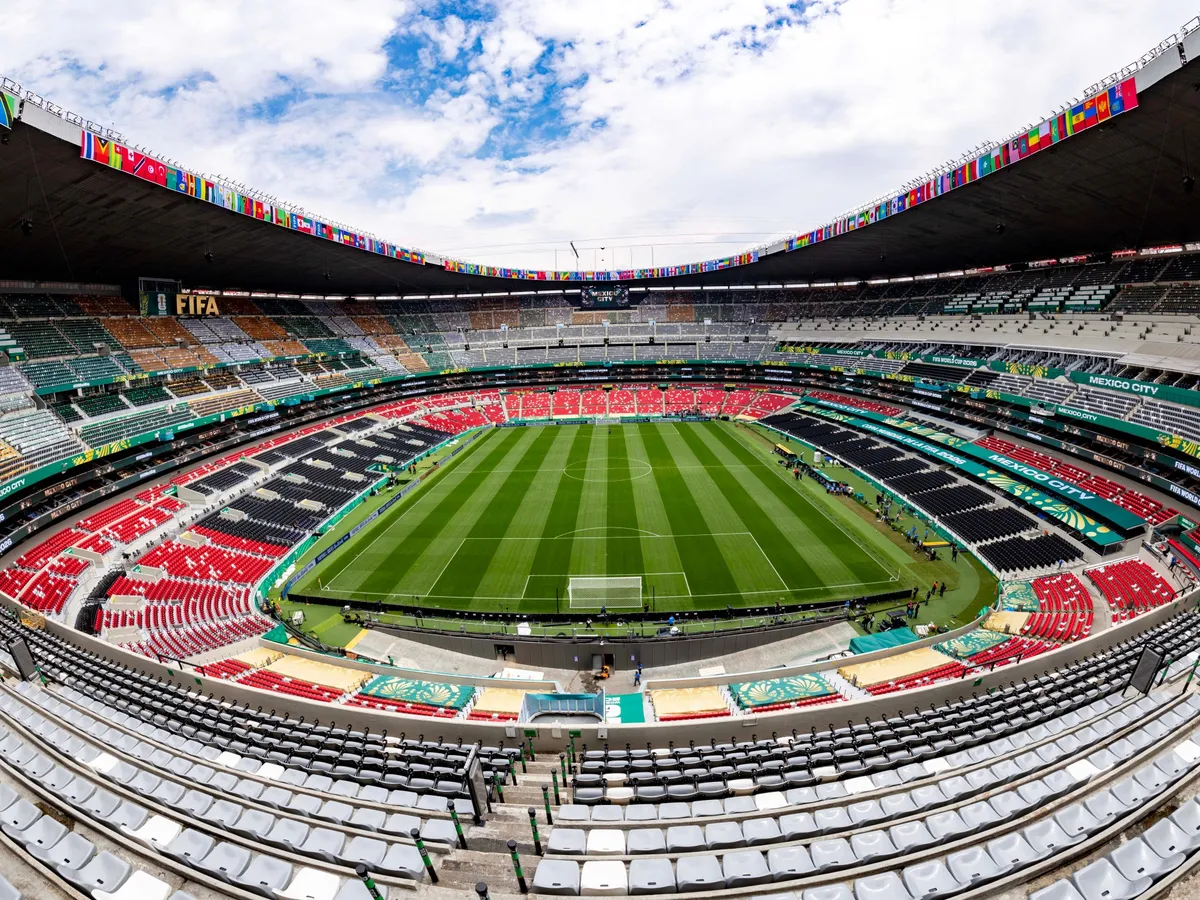
Mexico’s historic Azteca Stadium to kickoff World Cup opener: All to knowMexico City’s iconic Estadio Azteca will become the first venue to host matches at three separate World Cups.You can follow the action on Al Jazeera’s dedicated World Cup 2026 page with all the latest news, match build-up and live text commentary, and keep up to date with group standings, real-time match results and schedules.“There’s just something very special about the Azteca,” said Pele. “You need to be inside it, to feel it to understand. It’s unique.”Recommended Stories list of 4 itemslist 1 of 4Pressure on cohosts Mexico as South Africa await in World Cup 2026 openerlist 2 of 4World Cup guide: All to know about groups, match schedule and kickoff timeslist 3 of 4World Cup: Rating the chances of top European teams at the tournamentlist 4 of 4What time are World Cup 2026 matches in my time zone?end of listThe Brazilian legend enjoyed one of the finest moments of his career in Estadio Azteca, as he lifted his third World Cup in the towering stadium in Mexico’s sprawling capital.This year, a new generation of players will realise just how special the stadium is, as it becomes the first arena to host World Cup matches in three separate tournaments.From Brazil’s remarkable World Cup victory in 1970, to Diego Maradona’s “Hand of God” goal in 1986, this arena has provided the backdrop to some of the biggest moments in football history.Now, after nearly two years of renovations, the 83,000-seat stadium is ready for kickoff in the largest World Cup in history.Here’s all you need to know about Mexico-city" class="entity-link entity-location" data-entity-id="1779" data-entity-type="location">Mexico City’s legendary stadium.Early days of Estadio AztecaConstruction on the “Colossus of Santa Ursula” began in 1961 and was completed five years later, with more than 107,000 fans attending the inaugural match between Mexico’s Club America and Italy’s Torino.The venue was then used for a number of games during the football tournament at the 1968 Mexico-city" class="entity-link entity-location" data-entity-id="1779" data-entity-type="location">Mexico City Olympic Games, including the final, which saw Hungary defeat Bulgaria 4-1.Two years later, it was the showpiece stadium at the 1970 World Cup, as Mexico became the first country outside of Europe and South America to host the tournament.
SRCAl Jazeera
LANGEN
LEANCenter
WORDS362
ENT12
THU · 2026-06-11 · 10:38 GMTBRIEF NSR-2026-0611-83553
NSR-2026-0611-83553News Report·EN·Human Interest
Mexico’s historic Azteca Stadium to kickoff World Cup opener: All to know
Mexico's historic Estadio Azteca in Mexico City will make history by becoming the first venue to host matches at three separate World Cups, kicking off the 2026 tournament. This iconic stadium, with a capacity of 83,000, has previously been the site of significant World Cup moments, including Brazil's 1970 victory and Diego Maradona's "Hand of God" goal in 1986.
Adam HancockAl JazeeraFiled 2026-06-11 · 10:38 GMTLean · CenterRead · 2 min
Al JazeeraFIG 01
Reading time
2min
Word count
362words
Sources cited
1cited
Entities identified
12entities
Quality score
100%
§ 01
Briefing Summary
AI-generatedNEWSAR · AI
Mexico's historic Estadio Azteca in Mexico City will make history by becoming the first venue to host matches at three separate World Cups, kicking off the 2026 tournament. This iconic stadium, with a capacity of 83,000, has previously been the site of significant World Cup moments, including Brazil's 1970 victory and Diego Maradona's "Hand of God" goal in 1986. Construction on the stadium, nicknamed the "Colossus of Santa Ursula," began in 1961 and it also hosted games during the 1968 Mexico City Olympic Games football tournament. Following renovations, the Azteca is now prepared for its role in the upcoming World Cup.
Confidence 0.90Sources 1Claims 5Entities 12
§ 02
Article analysis
Model · rule-basedFraming
Human Interest
Tone
Measured
AI-assessed
CalmNeutralAlarmist
Factuality
0.70 / 1.00
Factual
LowHigh
Sources cited
1
Limited
FewMany
§ 03
Key claims
5 extracted01
Construction on Estadio Azteca began in 1961 and was completed five years later.
factual
Confidence
1.00
02
Estadio Azteca has hosted significant moments in football history, including Brazil's 1970 World Cup victory and Maradona's 'Hand of God' goal in 1986.
factual
Confidence
1.00
03
Pele described Estadio Azteca as 'very special' and 'unique'.
quotePele
Confidence
1.00
04
Estadio Azteca will become the first venue to host matches at three separate World Cups.
factual
Confidence
1.00
05
The 83,000-seat stadium is ready for the World Cup after nearly two years of renovations.
factual
Confidence
0.90
§ 04
Full report
2 min read · 362 words§ 05
Entities
12 identifiedKey playerOppositionContextPositiveNeutralNegative
Locations6
§ 06
Keywords & salience
10 termsestadio azteca
1.00
world cup opener
1.00
world cup 2026
0.90
historic stadium
0.80
football history
0.70
mexico city
0.60
stadium renovations
0.50
pele
0.40
diego maradona
0.40
olympic games
0.40
§ 07
Topic connections
Interactive graph Network visualization showing 16 related topics
View Full Graph Person Organization Location Event|Click node to navigate|Edge numbers = shared articles