The rapid escalation in hostilities between Iran and the US-Israel alliance since Sunday is being driven by Tehran’s growing confidence that it can arise like a mythical phoenix from the ashes of war, strategically stronger than ever in the Middle East.To achieve this objective, Tehran has enacted a tactical shift in its “unity of the theatres” strategy involving its Axis of Resistance allies in Lebanon, Yemen and Iraq: Israeli and US attempts to decapitate one head of this hydra-like monster, Hezbollah, would incur the wrath of the other heads, Iran and the Houthis.So when Israel bombed a Hezbollah command centre in the crowded southern Dahiyeh suburbs of Beirut on Sunday, Iran and the Houthis retaliated by carrying out limited, largely symbolic missile drone attacks against Israel.
SRCSouth China Morning Post
LANGEN
LEANCenter-Right
WORDS126
ENT12
THU · 2026-06-11 · 10:00 GMTBRIEF NSR-2026-0611-83575
NSR-2026-0611-83575Analysis·EN·Conflict
Iran’s ‘unity of theatres’ strategy exposes US-Israel rift
Iran has adopted a new "unity of the theatres" strategy involving its allies in Lebanon, Yemen, and Iraq, aiming to emerge stronger from conflict. This tactical shift means that attacks on one part of its "Axis of Resistance" will provoke retaliation from others.
Tom HussainSouth China Morning PostFiled 2026-06-11 · 10:00 GMTLean · Center-RightRead · 1 min
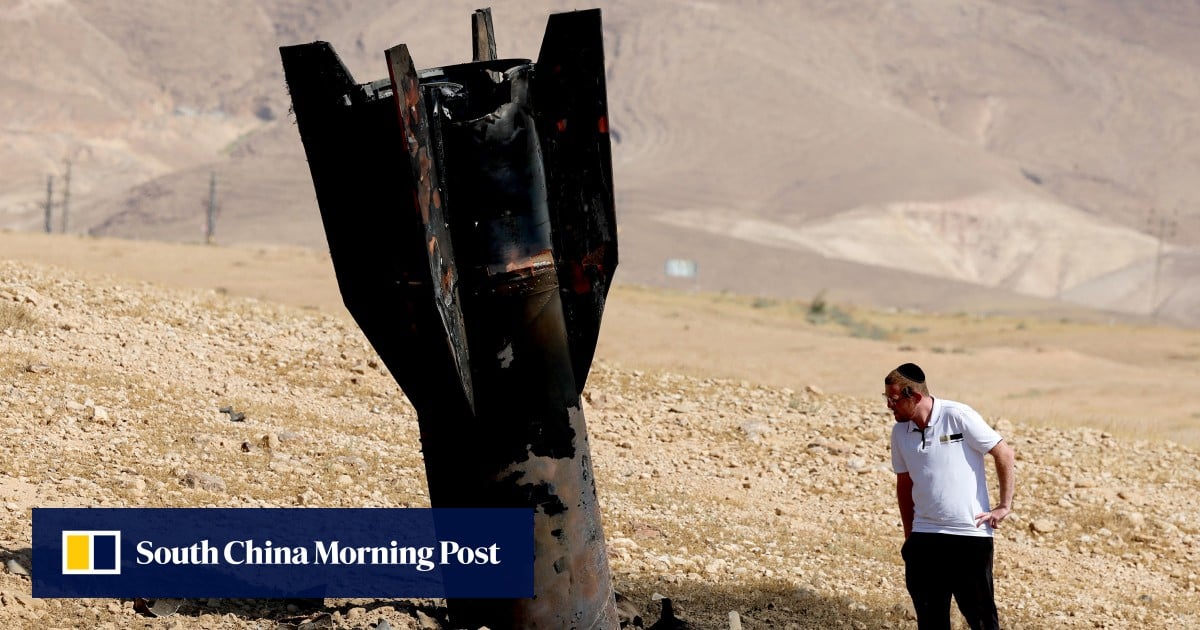
South China Morning PostFIG 01
Reading time
1min
Word count
126words
Sources cited
0cited
Entities identified
12entities
Quality score
100%
§ 01
Briefing Summary
AI-generatedNEWSAR · AI
Iran has adopted a new "unity of the theatres" strategy involving its allies in Lebanon, Yemen, and Iraq, aiming to emerge stronger from conflict. This tactical shift means that attacks on one part of its "Axis of Resistance" will provoke retaliation from others. Following an Israeli bombing of a Hezbollah command center in Beirut on Sunday, Iran and the Houthis launched limited missile and drone attacks against Israel. This escalation is driven by Iran's confidence in its ability to strategically strengthen its position in the Middle East. The strategy is designed to counter US-Israeli attempts to target individual elements of the resistance.
Confidence 0.85Claims 5Entities 12
§ 02
Article analysis
Model · rule-basedFraming
Conflict
Political Strategy
Tone
Mixed Tone
AI-assessed
CalmNeutralAlarmist
Factuality
0.40 / 1.00
Mixed
LowHigh
Sources cited
0
No named sources
FewMany
§ 03
Key claims
5 extracted01
Israel bombed a Hezbollah command center in Beirut on Sunday.
factual
Confidence
0.90
02
Iran's 'unity of theatres' strategy involves its Axis of Resistance allies in Lebanon, Yemen, and Iraq.
factual
Confidence
0.90
03
Iran and the Houthis retaliated with missile and drone attacks against Israel after the Beirut bombing.
factual
Confidence
0.80
04
Tehran has enacted a tactical shift in its 'unity of the theatres' strategy.
factual
Confidence
0.70
05
Iran is strategically stronger than ever in the Middle East.
prediction
Confidence
0.50
§ 04
Full report
1 min read · 126 words§ 05
Entities
12 identifiedKey playerOppositionContextPositiveNeutralNegative
Locations9
§ 06
Keywords & salience
10 termsiran
1.00
us-israel alliance
1.00
unity of theatres
1.00
axis of resistance
0.90
hezbollah
0.80
houthis
0.80
middle east
0.70
hostilities
0.60
tactical shift
0.50
missile drone attacks
0.40
§ 07
Topic connections
Interactive graph Network visualization showing 51 related topics
View Full Graph Person Organization Location Event|Click node to navigate|Edge numbers = shared articles