The healthcare campaigner and journalist Merope Mills has been made a CBE in the king’s birthday honours list for services to patient safety.Mills, a senior editor at the Guardian, was a driving force behind the introduction of an initiative in England said to have potentially saved hundreds of lives. She has spent years campaigning for the introduction of Martha’s rule under which patients, relatives and staff can seek a second opinion if they have concerns about the care being provided.She said: “This is recognition for a campaign fought not just by me but also my husband, Paul, with the help of many excellent doctors and nurses who helped make Martha’s rule a reality. They knew it was time we saw a shift in the power dynamic in hospitals, and a real chance to give patients and their families more of a voice at the time they need it most.”Mills took action after the death of her 13-year-old daughter Martha – after whom the rule is named – in 2021 because of failures to identify and properly treat a case of sepsis that developed while she was in King’s College hospital in London.In 2022, a coroner ruled Martha probably would have survived had doctors identified the warning signs and transferred her to intensive care earlier.Martha suffered a laceration to her pancreas in what initially appeared to be a minor accident while cycling. She was transferred to the hospital in south London because it is one of three national centres for the care of children with pancreatic trauma. Her condition was not thought to be life-threatening.She developed sepsis, though that too could have been treated. Her parents said their concerns over her deteriorating health were not heeded, with doctors instead trying to reassure them even as Martha’s condition worsened. Nursing staff privately acknowledged she was at risk of death.Along with Martha’s father, Paul Laity, Mills began advocating the system under which people can now call a hospital-run helpline with their concerns, and seek a “rapid review”.Mills added: “There is still so much that can be done to make our healthcare safer. The number of preventable deaths like Martha’s remains shockingly high. Apart from the devastation it causes families like ours, it costs the NHS billions in compensation and treating complications that result from mistakes.“NHS statistics suggest Martha’s rule may have saved more than 500 lives since 2024. Occasionally, I hear from people who used it and saw significant changes in treatment or other life-saving interventions after making a Martha’s rule call.”Last month, during his tenure as health secretary, Wes Streeting said more than 500 people had received potentially life-saving care thanks to Martha’s rule.They were moved to intensive care or a specialist unit after they, a loved one or a member of NHS staff triggered the patient safety mechanism, which the NHS in England began using in 2024.Streeting said last month: “Martha’s parents have fought tirelessly to turn the most unimaginable grief into something that is genuinely changing how our NHS works. Merope and Paul pushed for a practical change that puts patients and families at the heart of care – and it’s one that is already having a life-saving impact.“That takes extraordinary courage, and the NHS owes them an enormous debt of gratitude. The NHS is changing its culture and putting patient safety at its heart. Change isn’t always easy, but Martha’s rule is proof that it can be done.”
SRCThe Guardian - World News
LANGEN
LEANCenter-Left
WORDS569
ENT12
FRI · 2026-06-12 · 21:30 GMTBRIEF NSR-2026-0612-84007
NSR-2026-0612-84007News Report·EN·Human Interest
Merope Mills awarded CBE in king’s honours list for Martha’s rule campaign
Journalist and Guardian senior editor Merope Mills has been awarded a CBE for her services to patient safety. Mills was instrumental in the introduction of "Martha's rule" in England, an initiative allowing patients, relatives, and staff to seek a second opinion if concerned about care.
Kevin RawlinsonThe Guardian - World NewsFiled 2026-06-12 · 21:30 GMTLean · Center-LeftRead · 3 min
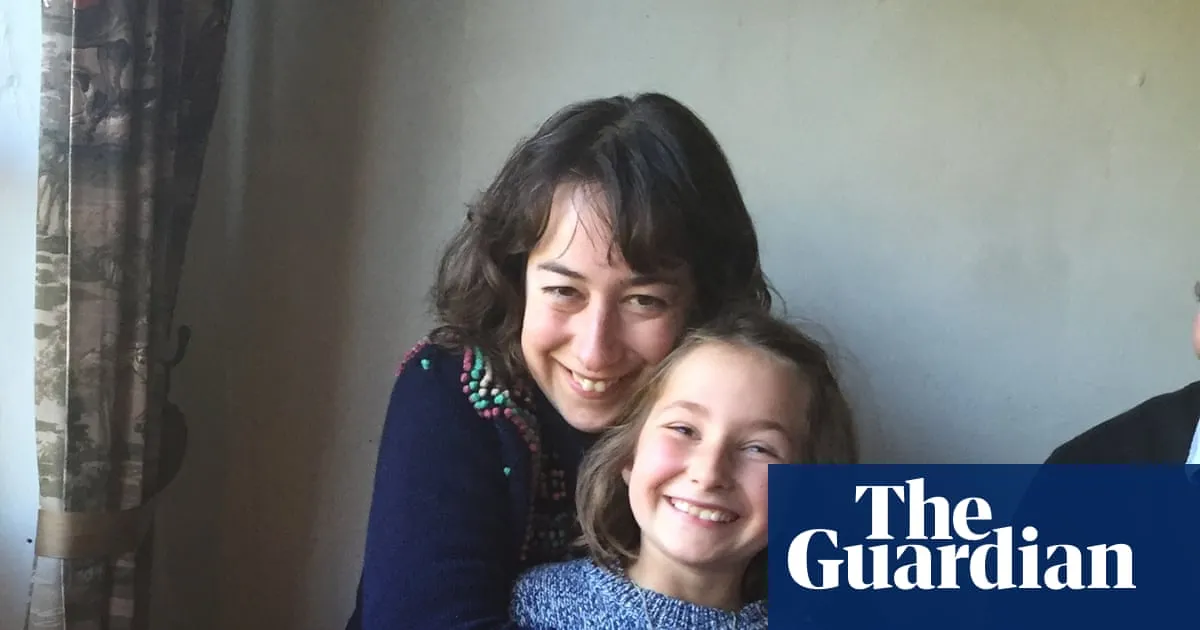
The Guardian - World NewsFIG 01
Reading time
3min
Word count
569words
Sources cited
3cited
Entities identified
12entities
Quality score
100%
§ 01
Briefing Summary
AI-generatedNEWSAR · AI
Journalist and Guardian senior editor Merope Mills has been awarded a CBE for her services to patient safety. Mills was instrumental in the introduction of "Martha's rule" in England, an initiative allowing patients, relatives, and staff to seek a second opinion if concerned about care. This campaign was inspired by the death of her 13-year-old daughter, Martha, in 2021 due to a failure to identify and treat sepsis. Martha's rule, implemented in 2024, has reportedly helped save hundreds of lives by enabling rapid reviews of patient conditions. Mills, along with her husband Paul Laity, advocated for this system to empower patients and families and improve hospital safety.
Confidence 0.90Sources 3Claims 5Entities 12
§ 02
Article analysis
Model · rule-basedFraming
Human Interest
Public Health
Tone
Measured
AI-assessed
CalmNeutralAlarmist
Factuality
0.80 / 1.00
Factual
LowHigh
Sources cited
3
Well sourced
FewMany
§ 03
Key claims
5 extracted01
A coroner ruled Martha probably would have survived had doctors identified warning signs and transferred her to intensive care earlier.
factualarticle
Confidence
1.00
02
Merope Mills' daughter Martha died in 2021 due to failures to identify and properly treat sepsis.
factualarticle
Confidence
1.00
03
Martha's rule, an initiative where patients, relatives, and staff can seek a second opinion, was introduced in England.
factualarticle
Confidence
1.00
04
Merope Mills has been awarded a CBE in the King's birthday honours list for services to patient safety.
factualarticle
Confidence
1.00
05
NHS statistics suggest Martha's rule may have saved more than 500 lives since 2024.
statisticarticle
Confidence
0.90
§ 04
Full report
3 min read · 569 words§ 05
Entities
12 identifiedKey playerOppositionContextPositiveNeutralNegative
Organizations3
§ 06
Keywords & salience
8 termsmartha's rule
1.00
patient safety
0.90
healthcare campaigner
0.80
second opinion
0.70
preventable deaths
0.60
sepsis
0.50
king's honours list
0.40
merope mills
0.40
§ 07
Topic connections
Interactive graph No topic relationship data available yet. This graph will appear once topic relationships have been computed.