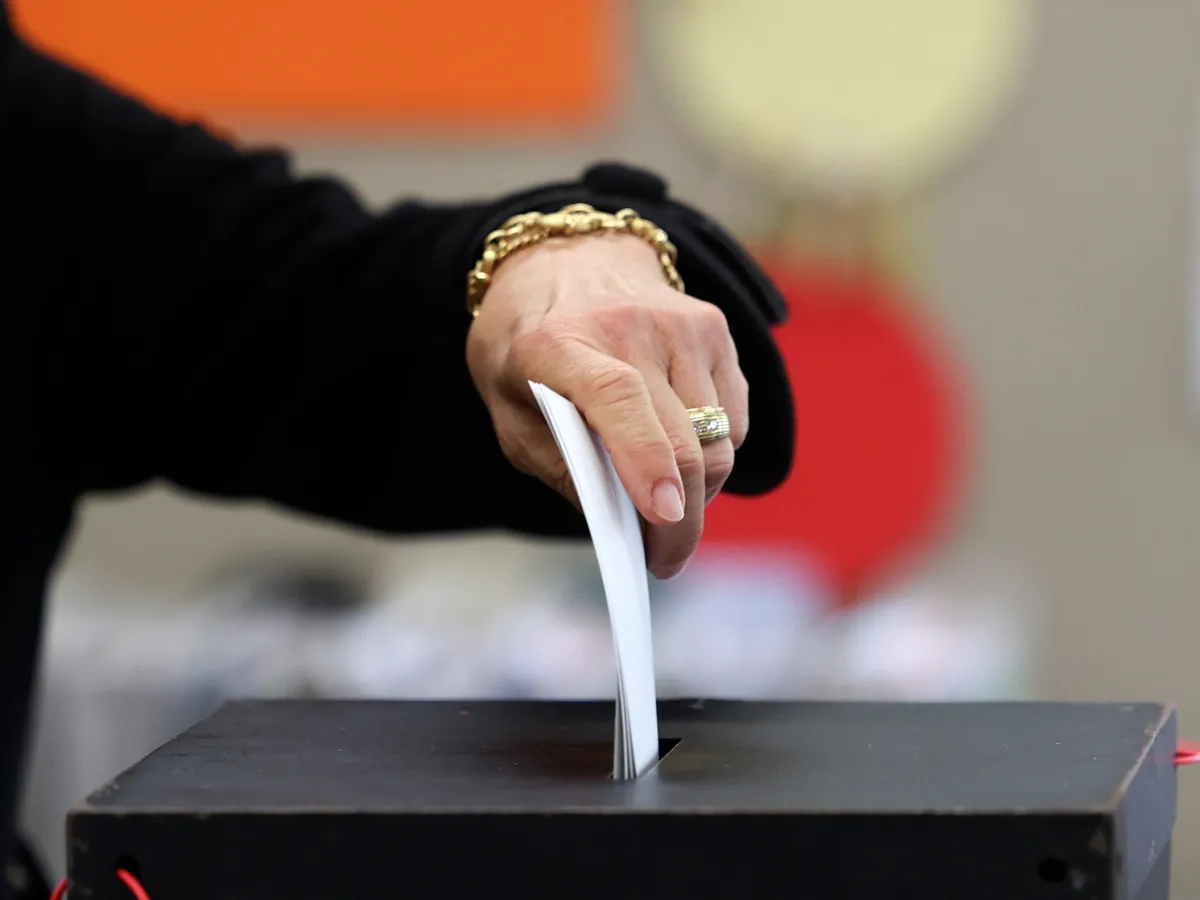
Among the frontrunners is Andre Ventura, whose far-right party is the second-largest in parliament.Published On 18 Jan 2026Portugal has begun voting in the first round of a presidential election in which a far-right candidate could, for the first time, make it to a run-off, possibly securing another win for Europe’s burgeoning far-right parties.Polling stations opened at 8am local time (08:00 GMT) on Sunday across the country, and exit poll results will be announced 12 hours later. Almost 11 million people are eligible to vote in the election, which has 11 candidates.Recommended Stories list of 3 itemslist 1 of 3Portuguese Empire: Ports and Profitslist 2 of 3Which countries will start using the euro in 2026?list 3 of 3Russia-Ukraine war: List of key events, day 1,396end of listPolls predict Andre Ventura, leader of the far-right Chega (Enough) party, could top the first round but would lose round two on February 8, regardless of which of the other candidates he faces there.This would be the first time in four decades that a candidate has not won outright in the first-round ballot, which requires securing more than 50 percent of the vote.In Portugal, the president is largely a figurehead with no executive power. Mostly, the head of state aims to stand above the political fray, mediating disputes and defusing tensions.However, the president is an influential voice and possesses some powerful tools, being able to veto legislation from parliament, although the veto can be overturned. The head of state also has the power to dissolve parliament and call early elections.The winner will replace President Marcelo Rebelo de Sousa, who has served the limit of two five-year terms.Chega’s surge in public support made it the second-largest party in Portugal’s parliament last year, just six years after it was founded.One of Ventura’s main targets has been what he calls “excessive immigration”.
SRCAl Jazeera
LANGEN
LEANCenter
WORDS304
ENT5
SUN · 2026-01-18 · 12:18 GMTBRIEF NSR-2026-0118-8423
NSR-2026-0118-8423News Report·EN·Political Strategy
Voters in Portugal electing new president, could be far-right winner
Portugal is holding a presidential election on January 18, 2026, with 11 candidates vying for the largely symbolic role. A key development is the potential for Andre Ventura, leader of the far-right Chega party, to reach the run-off election on February 8.
By News AgenciesAl JazeeraFiled 2026-01-18 · 12:18 GMTLean · CenterRead · 2 min
Al JazeeraFIG 01
Reading time
2min
Word count
304words
Sources cited
0cited
Entities identified
5entities
Quality score
100%
§ 01
Briefing Summary
AI-generatedNEWSAR · AI
Portugal is holding a presidential election on January 18, 2026, with 11 candidates vying for the largely symbolic role. A key development is the potential for Andre Ventura, leader of the far-right Chega party, to reach the run-off election on February 8. Polls suggest Ventura could win the first round but lose in the second. This election marks a possible shift in Portuguese politics, as it could be the first time in 40 years that no candidate secures over 50% of the vote in the initial ballot. The winner will succeed Marcelo Rebelo de Sousa, whose two-term limit has expired. Ventura's rise reflects Chega's growing popularity, fueled by anti-immigration rhetoric, making it the second-largest party in parliament.
Confidence 0.90Claims 5Entities 5
§ 02
Article analysis
Model · rule-basedFraming
Political Strategy
National Security
Tone
Measured
AI-assessed
CalmNeutralAlarmist
Factuality
0.80 / 1.00
Factual
LowHigh
Sources cited
0
No named sources
FewMany
§ 03
Key claims
5 extracted01
One of Ventura’s main targets has been what he calls “excessive immigration”.
quote
Confidence
1.00
02
Chega’s surge in public support made it the second-largest party in Portugal’s parliament last year.
factual
Confidence
1.00
03
Portugal has begun voting in the first round of a presidential election.
factual
Confidence
1.00
04
Ventura would lose round two on February 8, regardless of which of the other candidates he faces there.
prediction
Confidence
0.70
05
Andre Ventura, leader of the far-right Chega (Enough) party, could top the first round.
prediction
Confidence
0.70
§ 04
Full report
2 min read · 304 words§ 05
Entities
5 identifiedKey playerOppositionContextPositiveNeutralNegative
Organizations1
§ 06
Keywords & salience
7 termspresidential election
0.90
far-right
0.80
portugal
0.70
andre ventura
0.60
chega party
0.50
immigration
0.40
political fray
0.40
§ 07
Topic connections
Interactive graph Network visualization showing 42 related topics
View Full Graph Person Organization Location Event|Click node to navigate|Edge numbers = shared articles