Hong Kong’s older office assets and their struggling landlords could face more challenges as the wider adoption of Artificial Intelligence (AI) by firms in the city leads companies to relocate to newer buildings that better support their requirements, according to real estate consultancy Knight Frank.AI is poised to usher in more changes in Hong Kong’s commercial office space, and landlords may have to act fast to either refurbish their assets or convert them for new uses, said Lee Elliott, global head of occupier research at the London-headquartered firm.“If you want to bring buildings up to an appropriate standard in a world of AI, going forward there should be energy resilience, energy supply, connectivity and technological infrastructure,” he said.
SRCSouth China Morning Post
LANGEN
LEANCenter-Right
WORDS118
ENT5
SUN · 2026-06-14 · 08:22 GMTBRIEF NSR-2026-0614-84292
NSR-2026-0614-84292News Report·EN·Economic Impact
Hong Kong commercial landlords may bet on investment to curb tenant loss from AI: analysts
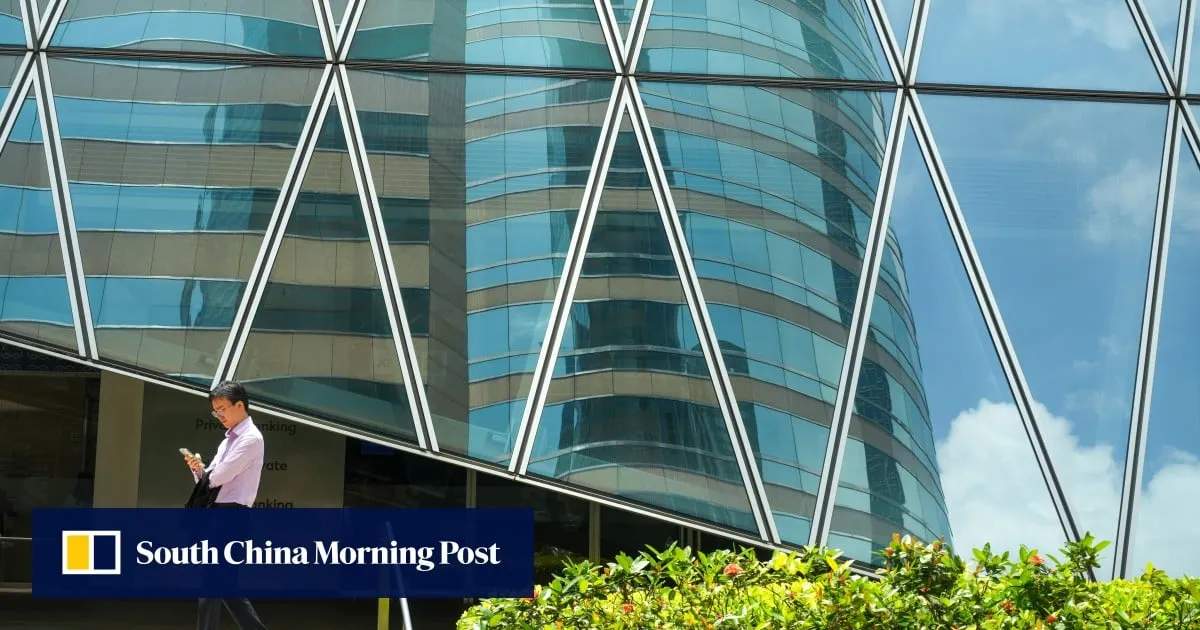
Hong Kong's older commercial office buildings and their landlords are facing potential challenges due to the increasing adoption of artificial intelligence (AI) by businesses. According to real estate consultancy Knight Frank, companies are likely to relocate to newer buildings that are better equipped to support AI requirements.
Cheryl ArcibalSouth China Morning PostFiled 2026-06-14 · 08:22 GMTLean · Center-RightRead · 1 min
South China Morning PostFIG 01
Reading time
1min
Word count
118words
Sources cited
1cited
Entities identified
5entities
Quality score
100%
§ 01
Briefing Summary
AI-generatedNEWSAR · AI
Hong Kong's older commercial office buildings and their landlords are facing potential challenges due to the increasing adoption of artificial intelligence (AI) by businesses. According to real estate consultancy Knight Frank, companies are likely to relocate to newer buildings that are better equipped to support AI requirements. To remain competitive, landlords of older assets may need to invest in refurbishing their properties or converting them for alternative uses. These upgrades should focus on enhancing energy resilience, energy supply, connectivity, and technological infrastructure to meet the demands of an AI-driven environment.
Confidence 0.85Sources 1Claims 4Entities 5
§ 02
Article analysis
Model · rule-basedFraming
Economic Impact
Technology
Tone
Measured
AI-assessed
CalmNeutralAlarmist
Factuality
0.60 / 1.00
Mixed
LowHigh
Sources cited
1
Limited
FewMany
§ 03
Key claims
4 extracted01
Buildings need energy resilience, energy supply, connectivity, and technological infrastructure to be suitable for AI.
factualLee Elliott
Confidence
0.90
02
AI adoption will bring more changes to Hong Kong's commercial office space.
predictionLee Elliott
Confidence
0.90
03
Landlords may need to refurbish assets or convert them for new uses to adapt to AI.
predictionLee Elliott
Confidence
0.85
04
Hong Kong's older office assets and their landlords face challenges due to AI adoption leading firms to relocate to newer buildings.
factualKnight Frank
Confidence
0.80
§ 04
Full report
1 min read · 118 words§ 05
Entities
5 identifiedKey playerOppositionContextPositiveNeutralNegative
People1
Organizations1
§ 06
Keywords & salience
8 termsartificial intelligence
1.00
hong kong commercial real estate
0.90
office space
0.80
tenant loss
0.70
building refurbishment
0.60
technological infrastructure
0.50
energy resilience
0.40
knight frank
0.40
§ 07
Topic connections
Interactive graph Network visualization showing 51 related topics
View Full Graph Person Organization Location Event|Click node to navigate|Edge numbers = shared articles