A powerful earthquake that killed at least 61 people in the Philippines this week raised the seabed by as much as 2 metres (6.6 feet), exposing coral and harming marine life, the environment department said on Sunday.At least 40 people are still missing after the 7.8-magnitude tremor in southern Mindanao island on Monday, according to updated tolls from the disaster agency.Residents first reported the geological phenomenon known as “coastal uplift” two days after the quake, which extended the shoreline by as much as 200 metres in some places, the environment department said.A shifting of the Cotabato Trench “pushed upward part of the coastlines of Sarangani and Davao Occidental (provinces) … exposing the bottom of the sea that was originally submerged”, the Philippine Institute of Volcanology and Seismology said in a statement. “Approximately 2m (metres) was the mapped uplift.”Philippines earthquake: buildings destroyed after 7.8 magnitude quake – videoThe Cotabato Trench, which lies as close as 50km (31 miles) off the coast of southern Mindanao, is the site of frequent seismic activity, including a “swarm” of thousands of mostly small earthquakes recorded in January.A team dispatched to the area had “found that long stretches of shoreline, coral reef and seagrass beds have been exposed”, the environment department said.An official who spoke to AFP on Sunday said they could not yet say precisely how wide an area had been affected, given the size of the area they needed to survey. Images released by the department’s regional office showed a large swathe of exposed coral, with dead fish and other aquatic life lying on top.“These exposed corals and seagrass beds had begun dying off alongside their resident organisms such as reef fishes, eels, clams, and shells,” the environment department said.Residents initially reported the changes to the seabed out of concern that they might be poisoned by the fumes from decaying sea life.
SRCThe Guardian - World News
LANGEN
LEANCenter-Left
WORDS308
ENT12
SUN · 2026-06-14 · 11:07 GMTBRIEF NSR-2026-0614-84303
NSR-2026-0614-84303News Report·EN·Environmental
Deadly Philippines earthquake found to have raised seabed by up to 2 metres
A powerful 7.8-magnitude earthquake in southern Mindanao, Philippines, has resulted in significant coastal uplift, raising the seabed by up to 2 meters. This geological phenomenon, reported by residents and confirmed by the environment department, has exposed coral reefs and seagrass beds, leading to the death of marine life.
Agence France-Presse in ManilaThe Guardian - World NewsFiled 2026-06-14 · 11:07 GMTLean · Center-LeftRead · 2 min
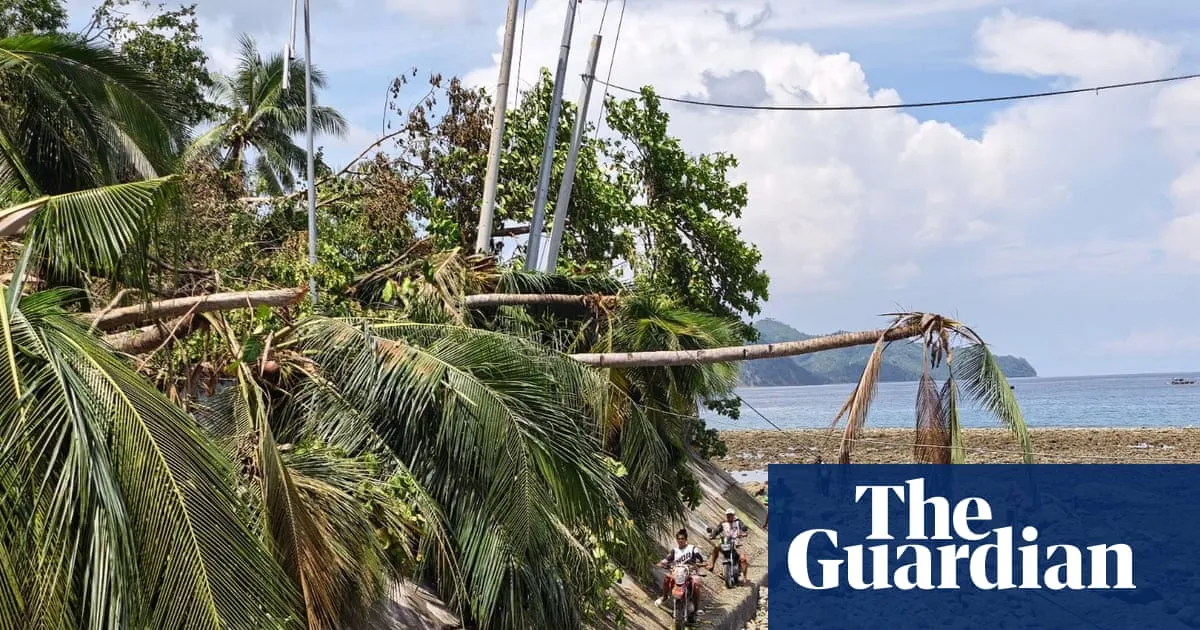
The Guardian - World NewsFIG 01
Reading time
2min
Word count
308words
Sources cited
3cited
Entities identified
12entities
Quality score
100%
§ 01
Briefing Summary
AI-generatedNEWSAR · AI
A powerful 7.8-magnitude earthquake in southern Mindanao, Philippines, has resulted in significant coastal uplift, raising the seabed by up to 2 meters. This geological phenomenon, reported by residents and confirmed by the environment department, has exposed coral reefs and seagrass beds, leading to the death of marine life. The earthquake, which killed at least 61 people and left 40 missing, caused the Cotabato Trench to shift, pushing upward parts of the coastlines in Sarangani and Davao Occidental provinces. The exposed seabed has extended shorelines by as much as 200 meters in some areas, with images showing dead fish and aquatic organisms on the uplifted seafloor.
Confidence 0.90Sources 3Claims 5Entities 12
§ 02
Article analysis
Model · rule-basedFraming
Environmental
Human Interest
Tone
Measured
AI-assessed
CalmNeutralAlarmist
Factuality
0.90 / 1.00
Factual
LowHigh
Sources cited
3
Well sourced
FewMany
§ 03
Key claims
5 extracted01
Exposed corals and seagrass beds had begun dying off alongside their resident organisms.
factualenvironment department
Confidence
1.00
02
A shifting of the Cotabato Trench pushed upward part of the coastlines, exposing the seabed.
factualPhilippine Institute of Volcanology and Seismology
Confidence
1.00
03
The quake extended the shoreline by as much as 200 metres in some places.
factualenvironment department
Confidence
1.00
04
At least 61 people were killed and 40 are missing after the 7.8-magnitude tremor in southern Mindanao island.
statisticdisaster agency
Confidence
1.00
05
A powerful earthquake raised the seabed by as much as 2 metres (6.6 feet), exposing coral and harming marine life.
factualenvironment department
Confidence
1.00
§ 04
Full report
2 min read · 308 words§ 05
Entities
12 identifiedKey playerOppositionContextPositiveNeutralNegative
Organizations3
Locations5
§ 06
Keywords & salience
10 termsphilippines earthquake
1.00
seabed uplift
0.90
coastal uplift
0.80
marine life
0.70
coral reef
0.70
mindanao
0.60
geological phenomenon
0.50
seismic activity
0.50
cotabato trench
0.40
environmental impact
0.40
§ 07
Topic connections
Interactive graph No topic relationship data available yet. This graph will appear once topic relationships have been computed.