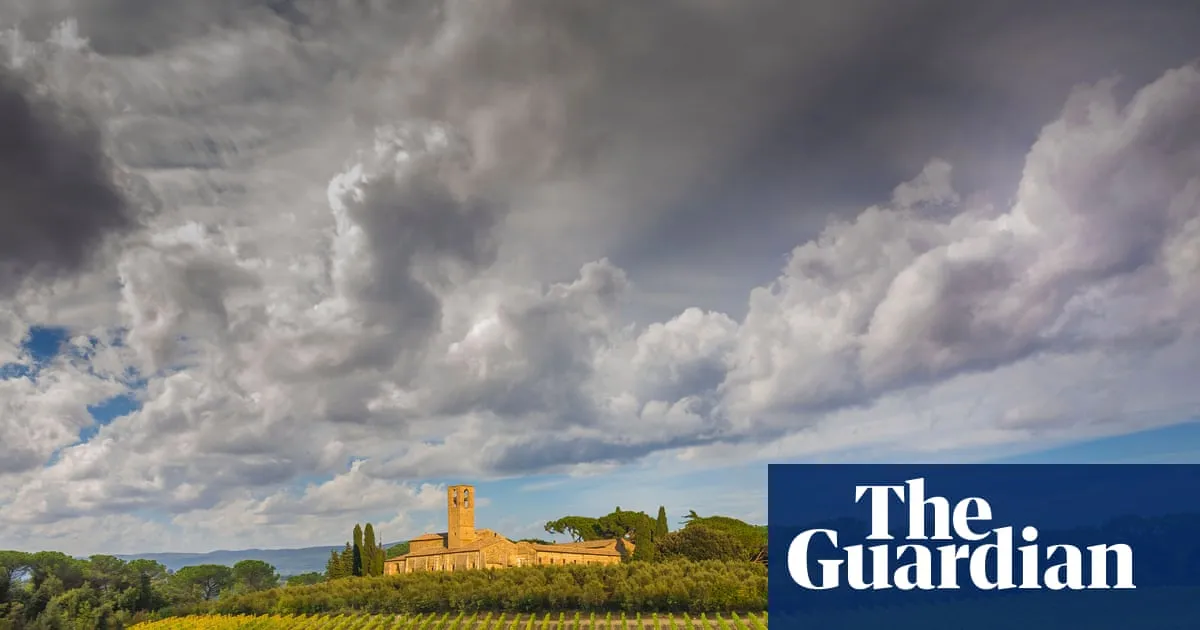
DNA extracted from 2,000-year-old grape seeds found in ancient wells in Tuscany has enabled scientists to map the most extensive genetic history of grapevines recovered from a single site.The findings revealed that vineyards of the Roman era formed part of the empire’s sophisticated agricultural network that might have influenced the development of modern winemaking.The research led by scientists at the University of York also found that white grapes once dominated the site in Chianti, an area of Tuscany famous for its red sangiovese wines.The discovery was made at Chianti" class="entity-link entity-location" data-entity-id="146180" data-entity-type="location">Cetamura del Chianti, a hilltop archaeological site that was home to the Etruscans before the arrival of the Romans and then medieval Italians. Those living there between 300BC and 300AD dropped grape pips into deep wells, where they were preserved in oxygen-free mud.“We sequenced the DNA of 80 seeds and found a remarkable story of continuity,” said Dr Oya Inanli, the study’s co-author from the University of York. “A large majority of the tested seeds belonged to a single, identical variety passed directly from the Etruscans to the Romans and maintained for centuries.“We were also able to go a step further with the genetic testing and determine the colour of the ancient grapes. The markers revealed that this dominant, long-lived clone produced white berries.”The prevalence of white grapes was a surprise for the researchers.Nancy De Grummond, a professor at Florida State University, which has been undertaking excavations at Chianti" class="entity-link entity-location" data-entity-id="146180" data-entity-type="location">Cetamura del Chianti since 1973, said: “Our team’s research adds an important chapter on the history of wine in the viticulture region of Chianti.“What a delightful surprise to learn that the world-famous red wine of today was actually preceded by a white vintage that was curated and maintained for centuries in Etruscan and Roman times.”After the Roman conquest of the settlement, new grape varieties appeared at Cetamura, possibly pointing to vines introduced from elsewhere across the empire, the study showed. Genetic testing also revealed that the dominant cetamura clone was closely related to two ancient grape seeds previously tested from southern France.The researchers said this provided biological evidence of long-distance agricultural networks across the Roman Empire that might have contributed to the standardised production of wine today.
SRCThe Guardian - World News
LANGEN
LEANCenter-Left
WORDS363
ENT12
SUN · 2026-06-14 · 12:12 GMTBRIEF NSR-2026-0614-84325
NSR-2026-0614-84325News Report·EN·Technology
DNA from 2,000-year-old grape seeds points to origins of modern winemaking
DNA analysis of 2,000-year-old grape seeds from ancient wells in Tuscany has revealed significant insights into grapevine history. Researchers from the University of York sequenced 80 seeds, uncovering a long-standing clone passed from Etruscans to Romans, which produced white grapes.
Angela Giuffrida in RomeThe Guardian - World NewsFiled 2026-06-14 · 12:12 GMTLean · Center-LeftRead · 2 min
The Guardian - World NewsFIG 01
Reading time
2min
Word count
363words
Sources cited
2cited
Entities identified
12entities
Quality score
100%
§ 01
Briefing Summary
AI-generatedNEWSAR · AI
DNA analysis of 2,000-year-old grape seeds from ancient wells in Tuscany has revealed significant insights into grapevine history. Researchers from the University of York sequenced 80 seeds, uncovering a long-standing clone passed from Etruscans to Romans, which produced white grapes. This finding challenges the modern perception of Chianti as solely a red wine region. The study also suggests that Roman-era vineyards were part of a sophisticated agricultural network, potentially influencing modern winemaking practices. After the Roman conquest, new grape varieties appeared, indicating the introduction of vines from other parts of the empire and providing evidence of long-distance agricultural trade.
Confidence 0.90Sources 2Claims 5Entities 12
§ 02
Article analysis
Model · rule-basedFraming
Technology
Human Interest
Tone
Measured
AI-assessed
CalmNeutralAlarmist
Factuality
0.90 / 1.00
Factual
LowHigh
Sources cited
2
Limited
FewMany
§ 03
Key claims
5 extracted01
The dominant ancient clone produced white berries.
quoteDr Oya Inanli
Confidence
1.00
02
A dominant ancient grape variety was passed from Etruscans to Romans and maintained for centuries.
quoteDr Oya Inanli
Confidence
1.00
03
White grapes dominated the ancient Tuscan site, contrary to the region's modern red wine fame.
factual
Confidence
1.00
04
DNA from 2,000-year-old grape seeds in Tuscany reveals extensive genetic history of grapevines.
factual
Confidence
1.00
05
Roman era vineyards were part of a sophisticated agricultural network that may have influenced modern winemaking.
factual
Confidence
0.90
§ 04
Full report
2 min read · 363 words§ 05
Entities
12 identifiedKey playerOppositionContextPositiveNeutralNegative
Locations6
§ 06
Keywords & salience
10 termswinemaking
1.00
grape seeds
0.90
genetic history
0.80
roman era
0.70
tuscany
0.60
viticulture
0.60
etruscans
0.50
archaeological site
0.50
white grapes
0.40
agricultural network
0.40
§ 07
Topic connections
Interactive graph No topic relationship data available yet. This graph will appear once topic relationships have been computed.