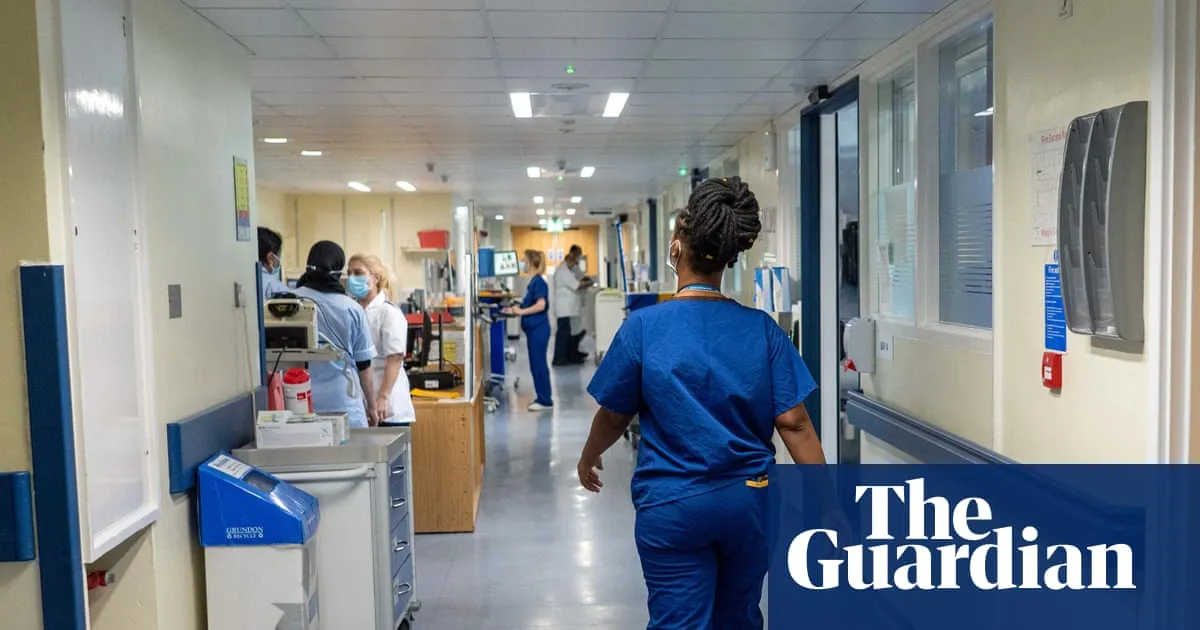
The specialist learning-disability nurse workforce is in “absolute crisis” with the number of specialist nurses falling by a third across the UK since 2009, leaving many vulnerable adults with inadequate care, according to a report by the largest nursing union.The nursing" class="entity-link entity-organization" data-entity-id="1459" data-entity-type="organization">Royal College of nursing review revealed that the number of learning-disability nurses employed by the NHS has fallen from 7,083 in 2009 to 4,768 in 2026. As a result of these falling numbers, 1.5 million people with learning disabilities were not being provided with their legal right to equitable access to health and care services.This failure in care has mainly been attributed to the chronic lack of specialist learning-disability nurses available across the UK, with this gap expected to widen in the coming years. Only 490 learning-disability nursing students had chosen to study the specialism in the UK, according to the analysis. This was a 40% reduction over the past decade in the number of students accepted on to these courses.Prof Lynn Woolsey, the nursing" class="entity-link entity-organization" data-entity-id="1459" data-entity-type="organization">Royal College of nursing’s chief officer, said the review’s findings were a “warning that we cannot continue this path where learning-disability nursing is consistently undermined”.“The learning-disability nurse workforce is in absolute crisis, with workforce numbers falling while university student numbers also collapse. Their skills are too vital for this to be allowed to continue,” Woolsey said.She added: “The expertise of learning-disability nurses has been poorly understood, inconsistently recognised, and insufficiently protected within health and care systems. Their contribution is repeatedly undermined and ignored in wide workforce planning and service delivery.”The review found that specialist nurses felt devalued by the healthcare system, while not being given the resources to provide thorough care to their patients.One nurse told the review that working within a small learning disability service in a rural area was challenging due to a lack of understanding of their patients’ needs by senior management. Another said that difficult shift patterns and demands on the staff meant they were unable to deliver the level of care they would have ideally been able to.People with learning disabilities across the UK face significantly poorer health outcomes than the general population, including a reduced life expectancy of about 20 years. Those with learning disabilities from minority-ethnic and more deprived backgrounds face even worse health outcomes, reduced access to preventive care, and higher rates of avoidable death.The nursing union has called on the government for learning-disability nursing to be explicitly recognised and protected as a safety-critical profession, and for a coordinated UK-wide programme of professional and policy work to be adopted to sustain the profession.Jon Sparkes, the chief executive of the learning disability charity Mencap, said: “Learning-disability nurses are too often the only people making sure someone is properly heard, understood and supported in healthcare settings.“But far too many people are going without that support when they need it most, because services are overstretched, unavailable at key times, or simply don’t have enough specialist nurses. If we are serious about tackling health inequalities, we must urgently protect, invest in and grow this vital workforce.”The Department of Health and Social Care has been approached for comment.
SRCThe Guardian - World News
LANGEN
LEANCenter-Left
WORDS515
ENT10
TUE · 2026-06-16 · 19:00 GMTBRIEF NSR-2026-0616-85004
NSR-2026-0616-85004News Report·EN·Public Health
Lack of learning-disability nurses in UK is an ‘absolute crisis’, says union
The Royal College of Nursing (RCN) reports an "absolute crisis" in the UK's learning-disability nursing workforce, with specialist nurse numbers falling by a third since 2009. This decline, from 7,083 to 4,768 NHS nurses, means 1.5 million people with learning disabilities are not receiving equitable access to healthcare.
Tobi Thomas Health and inequalities correspondentThe Guardian - World NewsFiled 2026-06-16 · 19:00 GMTLean · Center-LeftRead · 3 min
The Guardian - World NewsFIG 01
Reading time
3min
Word count
515words
Sources cited
3cited
Entities identified
10entities
Quality score
100%
§ 01
Briefing Summary
AI-generatedNEWSAR · AI
The Royal College of Nursing (RCN) reports an "absolute crisis" in the UK's learning-disability nursing workforce, with specialist nurse numbers falling by a third since 2009. This decline, from 7,083 to 4,768 NHS nurses, means 1.5 million people with learning disabilities are not receiving equitable access to healthcare. The RCN attributes this to the specialism being "consistently undermined" and a significant drop in nursing students choosing this field. Specialist nurses feel devalued and lack resources, contributing to poorer health outcomes for people with learning disabilities. The union is calling for explicit recognition and protection of learning-disability nursing as a safety-critical profession.
Confidence 0.90Sources 3Claims 5Entities 10
§ 02
Article analysis
Model · rule-basedFraming
Public Health
Social Justice
Tone
Mixed Tone
AI-assessed
CalmNeutralAlarmist
Factuality
0.70 / 1.00
Factual
LowHigh
Sources cited
3
Well sourced
FewMany
§ 03
Key claims
5 extracted01
The number of learning-disability nursing students accepted on to courses has reduced by 40% over the past decade.
statisticRoyal College of Nursing
Confidence
1.00
02
1.5 million people with learning disabilities were not provided with their legal right to equitable access to health and care services.
statisticRoyal College of Nursing
Confidence
1.00
03
The number of learning-disability nurses employed by the NHS fell from 7,083 in 2009 to 4,768 in 2026.
statisticRoyal College of Nursing
Confidence
1.00
04
The number of specialist learning-disability nurses in the UK has fallen by a third since 2009.
statisticRoyal College of Nursing
Confidence
1.00
05
People with learning disabilities face significantly poorer health outcomes, including a reduced life expectancy of about 20 years.
factualArticle
Confidence
0.90
§ 04
Full report
3 min read · 515 words§ 05
Entities
10 identifiedKey playerOppositionContextPositiveNeutralNegative
Organizations2
Locations1
§ 06
Keywords & salience
9 termslearning disability nursing
1.00
nursing crisis
0.90
workforce shortage
0.80
vulnerable adults
0.70
inadequate care
0.70
royal college of nursing
0.60
student numbers
0.50
health outcomes
0.50
healthcare systems
0.40
§ 07
Topic connections
Interactive graph No topic relationship data available yet. This graph will appear once topic relationships have been computed.