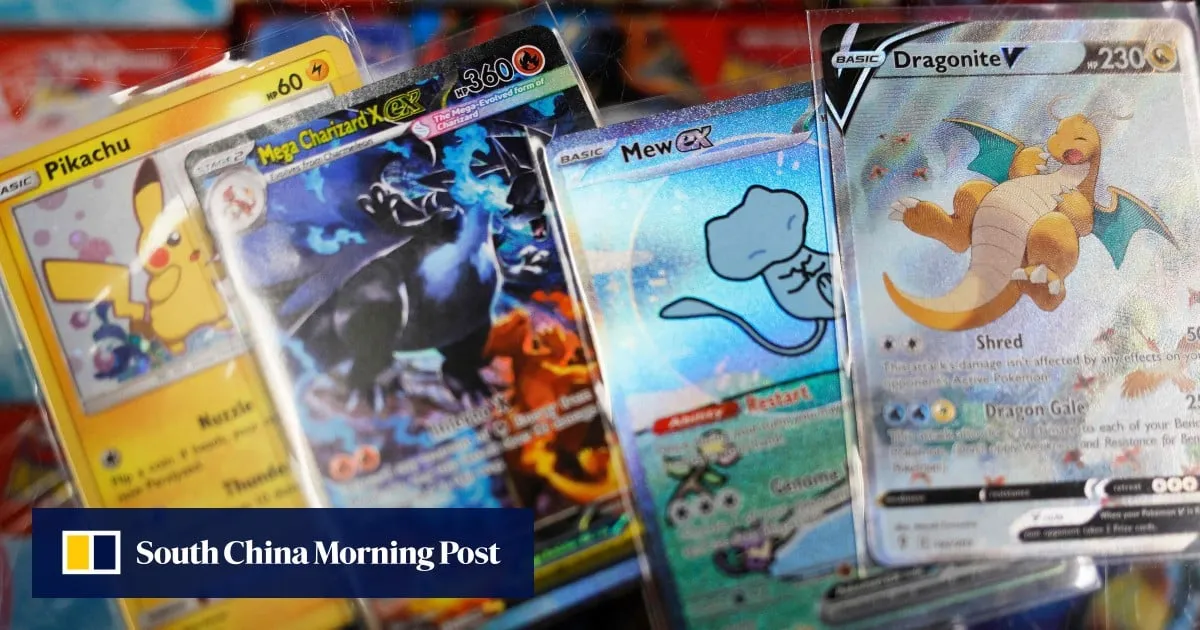
With the card-collecting hobby turning into a moneymaking venture with thousands of ringgit moved in single transactions, Malaysia’s tax authorities are keeping a close eye out for any tax discrepancies and doing audits to clarify statuses.The Inland Revenue Board (LHDN) said it is aware of the growing market for high-value collectibles, in particular trading cards, and urged collectors to be aware of tax responsibilities if their hobbies are deemed to be business transactions.“We are aware of the growing market for high-value collectibles, including trading cards. While such activities often begin as a hobby, they may become subject to income tax if they are carried out in a manner that indicates a profit-making or business activity under paragraph 4(a) of the income tax Act (ITA),” the board said.The LHDN explained that it also has a mechanism to determine whether any profits made during such trading are taxable.“To determine if profits from collectible trading are taxable, we apply established ‘badges of trade’ that evaluate various factors. These include the frequency and volume of transactions, the intention to make a profit (whether it’s speculative or a personal collection), the method of financing, the holding period and the level of organisation (example: systematic buying and selling or the use of platforms),” it said.“Where activities resemble trading or dealing, which is similar to stock trading in nature though not identical in tax treatment, profits would generally be treated as business income under paragraph 4(a). However, occasional sales of personal collectibles without a profit motive are generally not taxable.”The LHDN also clarified a common misconception that they only go after those who make exorbitant amounts of profit.“A hobby can become taxable when it evolves into a profit-oriented activity carried out with regularity and structure.“There is no minimum profit threshold. Taxability depends on the nature of the activity, not the amount earned. Even small profits may be taxable if the activity is considered a business,” it said.
SRCSouth China Morning Post
LANGEN
LEANCenter-Right
WORDS320
ENT10
WED · 2026-06-17 · 02:10 GMTBRIEF NSR-2026-0617-85065
NSR-2026-0617-85065News Report·EN·Economic Impact
Malaysia’s tax officials play their cards as collectibles turn into money-spinners
Malaysia's Inland Revenue Board (LHDN) is monitoring the growing market for high-value collectibles, particularly trading cards, which are increasingly becoming profit-making ventures. The LHDN is conducting audits to clarify tax statuses and reminds collectors that profits from these activities may be subject to income tax if they are deemed business transactions.
The StarSouth China Morning PostFiled 2026-06-17 · 02:10 GMTLean · Center-RightRead · 2 min
South China Morning PostFIG 01
Reading time
2min
Word count
320words
Sources cited
1cited
Entities identified
10entities
Quality score
100%
§ 01
Briefing Summary
AI-generatedNEWSAR · AI
Malaysia's Inland Revenue Board (LHDN) is monitoring the growing market for high-value collectibles, particularly trading cards, which are increasingly becoming profit-making ventures. The LHDN is conducting audits to clarify tax statuses and reminds collectors that profits from these activities may be subject to income tax if they are deemed business transactions. The board uses "badges of trade" to determine taxability, considering factors like transaction frequency, profit intention, financing methods, holding periods, and organizational level. While occasional sales of personal collectibles without profit motive are generally not taxed, even small profits can be taxable if the activity is regular, structured, and profit-oriented, regardless of the amount earned.
Confidence 0.90Sources 1Claims 5Entities 10
§ 02
Article analysis
Model · rule-basedFraming
Economic Impact
Legal & Judicial
Tone
Measured
AI-assessed
CalmNeutralAlarmist
Factuality
0.80 / 1.00
Factual
LowHigh
Sources cited
1
Limited
FewMany
§ 03
Key claims
5 extracted01
Occasional sales of personal collectibles without a profit motive are generally not taxable.
factualInland Revenue Board (LHDN)
Confidence
1.00
02
Taxability of hobby profits depends on the nature of the activity (regularity, structure, profit motive), not the amount earned.
factualInland Revenue Board (LHDN)
Confidence
1.00
03
The Inland Revenue Board uses 'badges of trade' to determine if profits from collectible trading are taxable.
factualInland Revenue Board (LHDN)
Confidence
1.00
04
Profits from collectible trading may be subject to income tax if activities indicate a profit-making or business activity.
factualInland Revenue Board (LHDN)
Confidence
1.00
05
Malaysia's tax authorities are monitoring the growing market for high-value collectibles, particularly trading cards.
factualInland Revenue Board (LHDN)
Confidence
1.00
§ 04
Full report
2 min read · 320 words§ 05
Entities
10 identifiedKey playerOppositionContextPositiveNeutralNegative
Organizations2
Locations1
§ 06
Keywords & salience
10 termscollectibles
1.00
tax authorities
1.00
trading cards
0.90
income tax
0.90
business transactions
0.80
badges of trade
0.70
profit motive
0.60
hobby
0.50
inland revenue board
0.50
malaysia
0.40
§ 07
Topic connections
Interactive graph No topic relationship data available yet. This graph will appear once topic relationships have been computed.