China study finds subsea cable-wrecking supercurrents more common than realisedA team led by Tsinghua University says it has built a framework that could better predict and manage these powerful flows3-MIN READ3-MIN2ListenPublished: 12:00pm, 17 Jun 2026Updated: 12:47pm, 17 Jun 2026Scientists have known for decades that massive undersea flows called turbidity currents can reshape ocean floors and damage the vital cables which carry global internet traffic. But how they form and behave has remained elusive until now.An international team led by Tsinghua University has found that these flows are more common than previously believed, forming in gentle environments such as reservoirs and lakes, where such currents were thought to be impossible.The findings, along with a framework the researchers have built for understanding the formation of turbidity currents, could help to better predict and manage these powerful flows, protecting underwater infrastructure and managing reservoirs.Select VoiceSelect Speed0.8x0.9x1.0x1.1x1.2x1.5x1.75x00:0000:001.00x
SRCSouth China Morning Post
LANGEN
LEANCenter-Right
WORDS143
ENT4
WED · 2026-06-17 · 04:00 GMTBRIEF NSR-2026-0617-85086
NSR-2026-0617-85086News Report·EN·Technology
China study finds subsea cable-wrecking supercurrents more common than realised
A Tsinghua University-led international research team has discovered that powerful underwater flows, known as turbidity currents, are more common than previously understood. These currents, capable of damaging subsea cables that carry global internet traffic, were found to form even in gentle environments like reservoirs and lakes, areas where they were thought impossible.
Victoria BelaSouth China Morning PostFiled 2026-06-17 · 04:00 GMTLean · Center-RightRead · 1 min
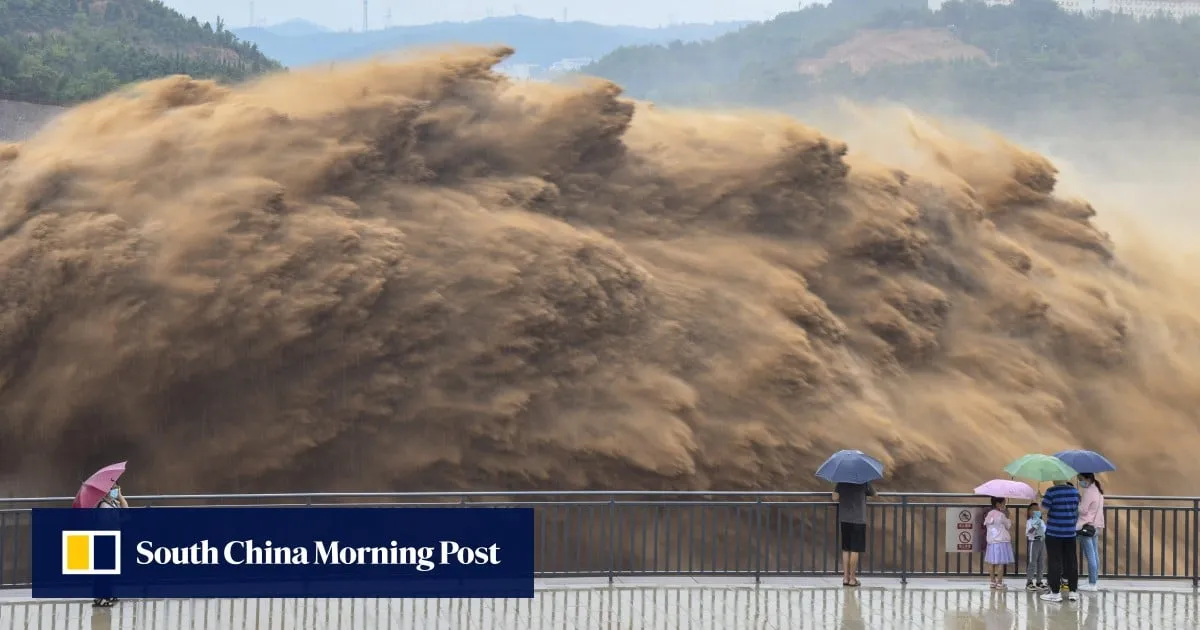
South China Morning PostFIG 01
Reading time
1min
Word count
143words
Sources cited
1cited
Entities identified
4entities
Quality score
100%
§ 01
Briefing Summary
AI-generatedNEWSAR · AI
A Tsinghua University-led international research team has discovered that powerful underwater flows, known as turbidity currents, are more common than previously understood. These currents, capable of damaging subsea cables that carry global internet traffic, were found to form even in gentle environments like reservoirs and lakes, areas where they were thought impossible. The study's findings, coupled with a new framework developed by the researchers for understanding turbidity current formation, offer the potential for improved prediction and management of these flows. This advancement could help protect underwater infrastructure and aid in reservoir management.
Confidence 0.90Sources 1Claims 4Entities 4
§ 02
Article analysis
Model · rule-basedFraming
Technology
Environmental
Tone
Measured
AI-assessed
CalmNeutralAlarmist
Factuality
0.80 / 1.00
Factual
LowHigh
Sources cited
1
Limited
FewMany
§ 03
Key claims
4 extracted01
Massive undersea flows called turbidity currents can reshape ocean floors and damage vital cables carrying global internet traffic.
factual
Confidence
0.90
02
Turbidity currents are more common than previously believed and can form in gentle environments like reservoirs and lakes.
factualTsinghua University study
Confidence
0.85
03
A framework has been built to better predict and manage turbidity currents.
factualTsinghua University study
Confidence
0.80
04
The findings could help protect underwater infrastructure and manage reservoirs.
prediction
Confidence
0.75
§ 04
Full report
1 min read · 143 words§ 05
Entities
4 identifiedKey playerOppositionContextPositiveNeutralNegative
Organizations1
Locations1
§ 06
Keywords & salience
6 termscable-wrecking supercurrents
0.90
turbidity currents
0.80
subsea cables
0.70
underwater infrastructure
0.60
reservoirs and lakes
0.50
ocean floors
0.50
§ 07
Topic connections
Interactive graph No topic relationship data available yet. This graph will appear once topic relationships have been computed.