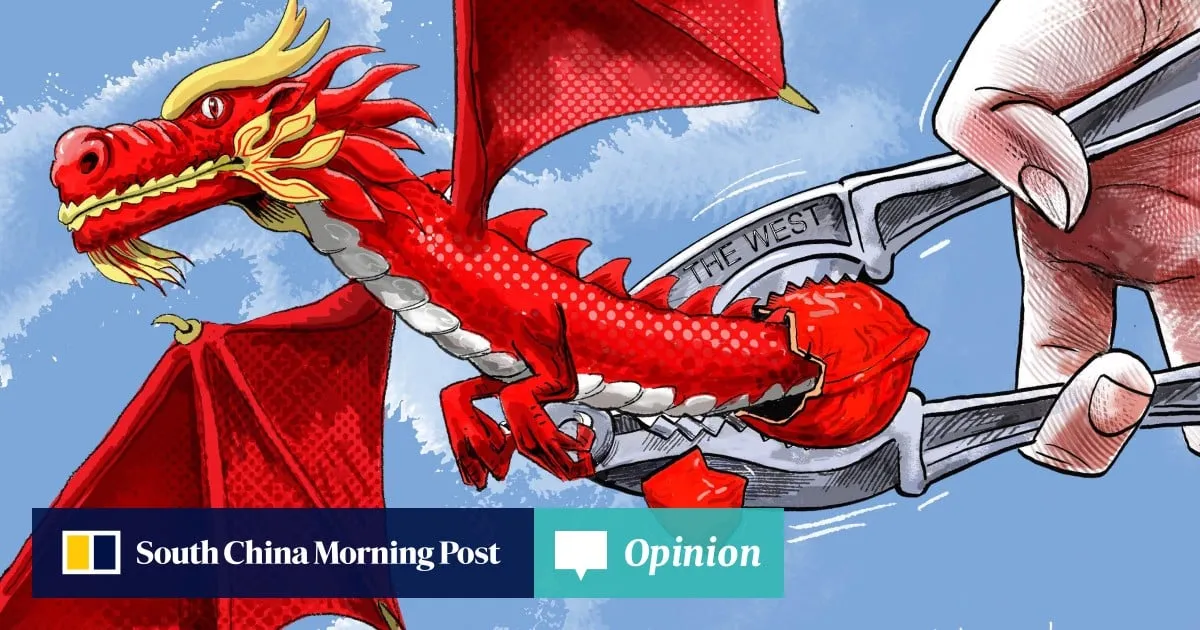
In 1996, the bestselling China Can Say No, co-authored by a group of intellectuals, reflected a nascent rejection of worship of the West and a rise in Chinese nationalism.Thirty years on, China is not just saying “no” to the West, it possesses the strategic leverage to hit back, underpinned by its dominance in Global supply chains, Rare earth minerals and critical Green technologies. China’s confidence is perhaps most evident in its rebuttals and forceful countermeasures against Western claims and sanctions.When the United States first targeted Chinese tech giants like Huawei and TikTok and imposed export controls on advanced Semiconductors, Beijing’s pushback was largely rhetorical. This has changed significantly.
SRCSouth China Morning Post
LANGEN
LEANCenter-Right
WORDS108
ENT10
WED · 2026-06-17 · 12:30 GMTBRIEF NSR-2026-0617-85215
NSR-2026-0617-85215Opinion·EN·Political Strategy
It’s time the West genuinely accepted China’s global ascent
Thirty years after the publication of "China Can Say No," which signaled a growing rejection of Western influence and rising Chinese nationalism, China has developed significant strategic leverage. This leverage stems from its dominance in global supply chains, rare earth minerals, and critical green technologies.
Jufang Wang,Alan DossSouth China Morning PostFiled 2026-06-17 · 12:30 GMTLean · Center-RightRead · 1 min
South China Morning PostFIG 01
Reading time
1min
Word count
108words
Sources cited
0cited
Entities identified
10entities
Quality score
100%
§ 01
Briefing Summary
AI-generatedNEWSAR · AI
Thirty years after the publication of "China Can Say No," which signaled a growing rejection of Western influence and rising Chinese nationalism, China has developed significant strategic leverage. This leverage stems from its dominance in global supply chains, rare earth minerals, and critical green technologies. Consequently, China is now capable of responding forcefully to Western claims and sanctions, a shift from earlier, more rhetorical pushbacks against actions like US targeting of tech companies and semiconductor export controls. This evolution demonstrates China's increased confidence and capacity to counter Western pressure.
Confidence 0.85Claims 4Entities 10
§ 02
Article analysis
Model · rule-basedFraming
Political Strategy
Economic Impact
Tone
Mixed Tone
AI-assessed
CalmNeutralAlarmist
Factuality
0.30 / 1.00
Opinion-Heavy
LowHigh
Sources cited
0
No named sources
FewMany
§ 03
Key claims
4 extracted01
In 1996, China Can Say No reflected a rejection of Western worship and a rise in Chinese nationalism.
factual
Confidence
0.90
02
China's confidence is evident in its rebuttals and countermeasures against Western claims and sanctions.
factual
Confidence
0.85
03
Beijing's pushback against US actions on tech giants and semiconductors has changed from largely rhetorical to significant.
factual
Confidence
0.80
04
China now possesses strategic leverage due to dominance in global supply chains, rare earth minerals, and green technologies.
factual
Confidence
0.80
§ 04
Full report
1 min read · 108 words§ 05
Entities
10 identifiedKey playerOppositionContextPositiveNeutralNegative
§ 06
Keywords & salience
9 termschina's global ascent
1.00
chinese nationalism
0.90
strategic leverage
0.80
global supply chains
0.70
green technologies
0.70
western claims and sanctions
0.60
chinese tech giants
0.50
semiconductors
0.40
export controls
0.40
§ 07
Topic connections
Interactive graph Network visualization showing 51 related topics
View Full Graph Person Organization Location Event|Click node to navigate|Edge numbers = shared articles