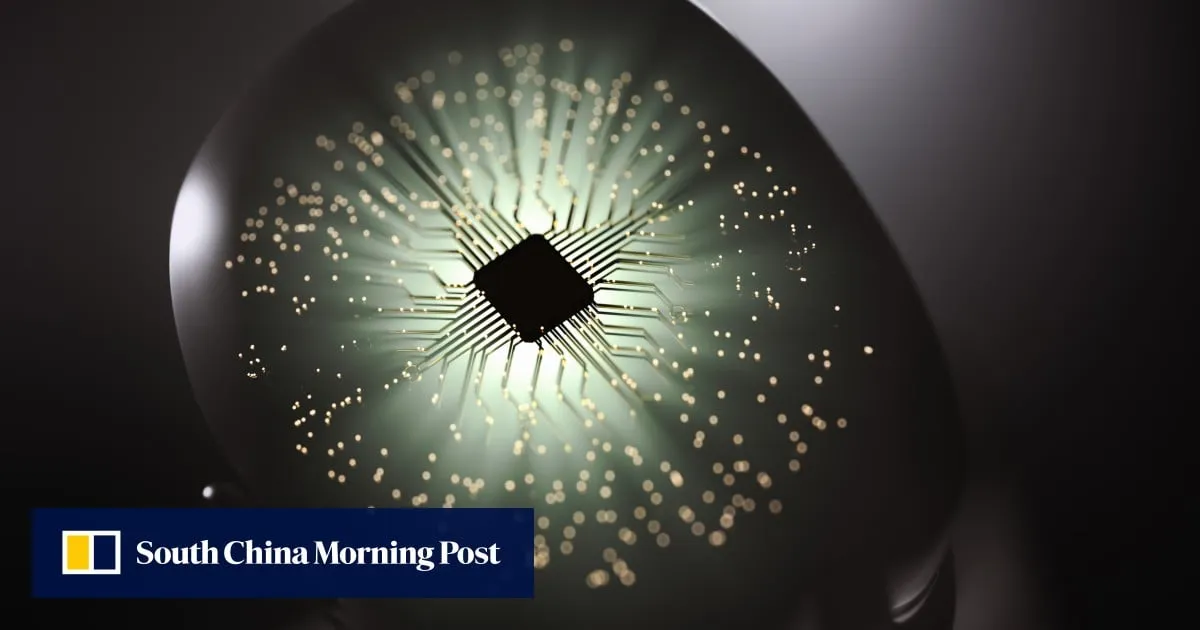
A China-led team of researchers has developed a powerful brain implant electrode array that is as soft as brain tissue, thinner than a strand of hair and more durable than anything before it.In animal trials, a new flexible brain implant recorded neural activity with unprecedented long-term clarity and remained safely functional inside the body for 18 months.The breakthrough addressed a major hurdle that had long held back brain-computer interfaces.Invasive interfaces deliver the clearest and richest neural signals, yet a persistent challenge haunts invasive systems: the inherent mismatch between electrodes and soft brain tissue.The cortical electrode arrays commonly used today, typically made of platinum or platinum-iridium-alloys" class="entity-link entity-topic" data-entity-id="148919" data-entity-type="topic">platinum-iridium alloys, offer excellent conductivity but are far stiffer than neural tissue.The cortical electrode arrays commonly used today, typically made of platinum or platinum-iridium-alloys" class="entity-link entity-topic" data-entity-id="148919" data-entity-type="topic">platinum-iridium alloys, offer excellent conductivity but are far stiffer than neural tissue. Photo: ShutterstockIn long-term implantation, such “hard-against-soft” friction induces tiny relative displacements, triggering chronic inflammation and eventually forming scar tissue around the electrodes. The result is a steady decline in signal quality year after year.
SRCSouth China Morning Post
LANGEN
LEANCenter-Right
WORDS173
ENT8
THU · 2026-06-18 · 22:00 GMTBRIEF NSR-2026-0619-85642
NSR-2026-0619-85642News Report·EN·Technology
Chinese scientists create record-smashing brain implant electrode array thinner than hair
A China-led research team has developed a novel brain implant electrode array that is as soft as brain tissue and thinner than a human hair. This new implant addresses a significant challenge in brain-computer interfaces: the stiffness mismatch between traditional electrodes and delicate brain tissue, which leads to inflammation and signal degradation over time.
Zhang TongSouth China Morning PostFiled 2026-06-18 · 22:00 GMTLean · Center-RightRead · 1 min
South China Morning PostFIG 01
Reading time
1min
Word count
173words
Sources cited
0cited
Entities identified
8entities
Quality score
100%
§ 01
Briefing Summary
AI-generatedNEWSAR · AI
A China-led research team has developed a novel brain implant electrode array that is as soft as brain tissue and thinner than a human hair. This new implant addresses a significant challenge in brain-computer interfaces: the stiffness mismatch between traditional electrodes and delicate brain tissue, which leads to inflammation and signal degradation over time. In animal trials, the flexible array demonstrated unprecedented long-term clarity in recording neural activity and remained functional for 18 months without adverse effects. This breakthrough offers a more durable and effective solution for invasive brain-computer interfaces, potentially improving their longevity and performance.
Confidence 0.90Claims 4Entities 8
§ 02
Article analysis
Model · rule-basedFraming
Technology
Human Interest
Tone
Measured
AI-assessed
CalmNeutralAlarmist
Factuality
0.90 / 1.00
Factual
LowHigh
Sources cited
0
No named sources
FewMany
§ 03
Key claims
4 extracted01
Current cortical electrode arrays, typically made of platinum or platinum-iridium alloys, are stiffer than neural tissue and can cause chronic inflammation and scar tissue, leading to signal decline.
factualarticle
Confidence
1.00
02
The implant remained safely functional inside the body for 18 months in animal trials.
factualarticle
Confidence
1.00
03
In animal trials, the new flexible brain implant recorded neural activity with unprecedented long-term clarity.
factualarticle
Confidence
1.00
04
A China-led team of researchers has developed a powerful brain implant electrode array that is soft as brain tissue, thinner than a strand of hair, and more durable than previous versions.
factualarticle
Confidence
1.00
§ 04
Full report
1 min read · 173 words§ 05
Entities
8 identifiedKey playerOppositionContextPositiveNeutralNegative
Locations1
§ 06
Keywords & salience
8 termsbrain implant electrode array
1.00
brain-computer interfaces
0.90
neural activity
0.80
flexible electrode
0.70
long-term clarity
0.60
soft brain tissue
0.50
scar tissue
0.40
signal quality
0.40
§ 07
Topic connections
Interactive graph Network visualization showing 51 related topics
View Full Graph Person Organization Location Event|Click node to navigate|Edge numbers = shared articles