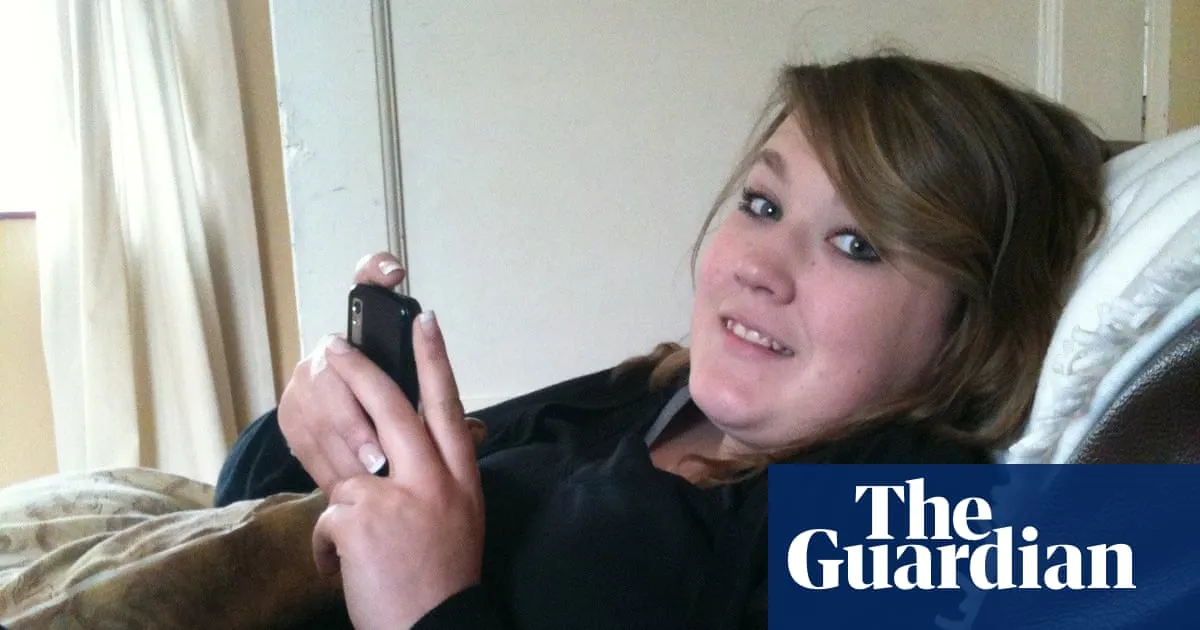
The information commissioner has launched an investigation into a controversial camera-based system for monitoring patients in their bedrooms, used by 40% of NHS mental health trusts, over data protection concerns.Oxevision is described by patients as “creepy” and a form of “spying”, and has been blamed by a bereaved mother for contributing to her daughter’s sense of paranoia before she took her own life.Oxehealth, the company behind Oxevision, which remotely watches patients with cameras and infrared sensors, said it increases patients’ safety and frees up NHS staff time.Lawyers for the campaign group Oxevision" class="entity-link entity-organization" data-entity-id="148995" data-entity-type="organization">Stop Oxevision asked the Information Commissioner’s Office (ICO) to investigate the lawfulness of the way the system collects, processes and retains patient’s data, including video images of them.Rachel Harger, a partner at Bindmans, who made the request said: “A patient’s bedroom in hospital should, as far as possible, remain a sanctuary for care and treatment, where privacy is respected.“Organisations must be able to point to a clear lawful basis for this collection and processing of patient-derived data. Where they rely on consent, it must be properly obtained, freely given, and capable of being withdrawn.”The ICO confirmed to the Guardian that it had launched an investigation into Oxehealth, which has rebranded as LIO but said it could not comment further.The technology is under scrutiny as part of the Lampard inquiry into the deaths of thousands of mental health patients in Essex.They include Sophie Alderman, 27, who had a history of serious mental ill health and self-harm and who killed herself in August 2022 in Rochford hospital, Essex while under surveillance by Oxevision.Her mother, Tammy Smith, said the system was intrusive, unsafe and contributed to her daughter’s paranoia.Speaking to the inquiry in October, Smith said: “I think her paranoia would have been increased 100%. She’s always been uncomfortable with cameras. She always felt under a microscope … it was obvious that Sophie was distressed by the presence of the camera in her room but, worst of all, the system did not even keep her safe.”Smith added: “You cannot replace staff in that situation with technology. It’s not fit for purpose.”Laura Cozens, head of patient safety at LIO, told the inquiry “the technology may not be suitable for everyone”. She accepted that filming a patient 24 hours a day constitutes a very significant invasion of privacy. But she said video recordings of patients were only available on request and under “strict governance” rules.Selen Cavcav from the charity Inquest and the family’s caseworker at Sophie’s inquest said: “People in mental health settings need care – not isolation and surveillance.“The use of intrusive technologies like Oxevision can exacerbate emotional distress and existing issues in mental health settings, such as the coercive nature of treatment and the lack of privacy.“Instead of systems which allow private companies to put profit over people, we need to imagine and resource genuine alternatives which centre people’s dignity and autonomy.”Nina Ali, a solicitor at Hodge Jones & Allen, which represents more than 150 families at the Lampard inquiry, said: “As things stand, the use of Oxevision in Essex is unsafe, intrusive and potentially unlawful, and urgent recommendations are needed to protect patients.“It can actually cause more harm than good. We have seen multiple cases where staff relied on assistive technology instead of carrying out proper in-person observations, including in cases where deaths occurred as system alerts were muted, ignored or misunderstood.“There is no place for any kind of surveillance of that sort for patients with mental health issues in their bedrooms. It’s not acceptable and wholly inappropriate.”Next month the Lampard inquiry will be hearing further evidence about the use of Oxevision in mental health wards at Essex partnership university NHS trust (EPUT).Oxevision" class="entity-link entity-organization" data-entity-id="148995" data-entity-type="organization">Stop Oxevision welcomed the ICO’s decision to investigate. It said: “Bereaved families and former and current mental health service users have raised serious concerns about privacy, consent and the processing of highly sensitive personal data in mental health settings.“Independent scrutiny of those concerns is both necessary and overdue, and we hope the investigation provides clarity and accountability for all those affected as a matter of urgent priority.”An Oxehealth spokesperson said: “Oxehealth are engaging positively with ICO and that discussion is ongoing. However, we must firmly reject the dangerous narrative that absolute bedroom privacy equates to safety in acute psychiatric settings, where unmonitored rooms introduce immediate risks to patient life.“Frontline clinical data submitted directly to the Lampard inquiry underscores the important role of technology: on EPUT wards alone, the platform has already successfully flagged 935 ligature incidents and 436 self-harm events, providing staff with the situational awareness necessary to save lives.“As stated by representatives of EPUT at the inquiry: ‘The use of Oxevision has assisted EPUT to make more timely interventions when required and therefore assisted in preserving life.’ Any loss of life is a tragedy and that is why we partner with the NHS to make mental health care safer.” In the UK and Ireland, Samaritans can be contacted on freephone 116 123. In the US, you can call or text the National Suicide Prevention Lifeline on 988, chat on 988lifeline.org, or text HOME to 741741 to connect with a crisis counselor. In Australia, the crisis support service Lifeline is 13 11 14. Other international helplines can be found at befrienders.org
SRCThe Guardian - World News
LANGEN
LEANCenter-Left
WORDS872
ENT12
FRI · 2026-06-19 · 05:00 GMTBRIEF NSR-2026-0619-85680
NSR-2026-0619-85680News Report·EN·Human Rights
ICO watchdog opens inquiry into cameras in mental health patients’ bedrooms
The UK's Information Commissioner's Office (ICO) has launched an investigation into Oxevision, a camera-based patient monitoring system used by 40% of NHS mental health trusts. The inquiry stems from data protection concerns and allegations that the system, which remotely watches patients in their bedrooms, is intrusive and contributes to paranoia.
Matthew WeaverThe Guardian - World NewsFiled 2026-06-19 · 05:00 GMTLean · Center-LeftRead · 4 min
The Guardian - World NewsFIG 01
Reading time
4min
Word count
872words
Sources cited
5cited
Entities identified
12entities
Quality score
100%
§ 01
Briefing Summary
AI-generatedNEWSAR · AI
The UK's Information Commissioner's Office (ICO) has launched an investigation into Oxevision, a camera-based patient monitoring system used by 40% of NHS mental health trusts. The inquiry stems from data protection concerns and allegations that the system, which remotely watches patients in their bedrooms, is intrusive and contributes to paranoia. Patients have described the technology as "creepy" and "spying." The investigation was requested by the campaign group Stop Oxevision, who are questioning the lawfulness of how patient data, including video images, is collected, processed, and retained. The system is also under scrutiny as part of the Lampard inquiry into mental health patient deaths, where a bereaved mother blamed Oxevision for contributing to her daughter's paranoia before she died by suicide. Oxehealth, the company behind Oxevision, states the technology enhances patient safety and frees up staff time.
Confidence 0.90Sources 5Claims 5Entities 12
§ 02
Article analysis
Model · rule-basedFraming
Human Rights
Legal & Judicial
Tone
Mixed Tone
AI-assessed
CalmNeutralAlarmist
Factuality
0.70 / 1.00
Factual
LowHigh
Sources cited
5
Well sourced
FewMany
§ 03
Key claims
5 extracted01
Filming a patient 24 hours a day constitutes a very significant invasion of privacy.
factualLaura Cozens (LIO)
Confidence
1.00
02
Oxehealth (now LIO) claims the technology increases patient safety and frees up NHS staff time.
factualOxehealth/LIO
Confidence
1.00
03
The system was blamed by a bereaved mother for contributing to her daughter's paranoia before she took her own life.
factualTammy Smith (mother)
Confidence
1.00
04
Oxevision is described by patients as 'creepy' and a form of 'spying'.
quotepatients
Confidence
1.00
05
The Information Commissioner has launched an investigation into a camera-based system for monitoring mental health patients in their bedrooms.
factualInformation Commissioner's Office (ICO)
Confidence
1.00
§ 04
Full report
4 min read · 872 words§ 05
Entities
12 identifiedKey playerOppositionContextPositiveNeutralNegative
Organizations8
§ 06
Keywords & salience
9 termsmental health patients
1.00
data protection
0.90
surveillance cameras
0.90
privacy concerns
0.80
information commissioner's office
0.70
nhs mental health trusts
0.60
patient safety
0.50
lawful basis
0.40
patient data
0.40
§ 07
Topic connections
Interactive graph No topic relationship data available yet. This graph will appear once topic relationships have been computed.