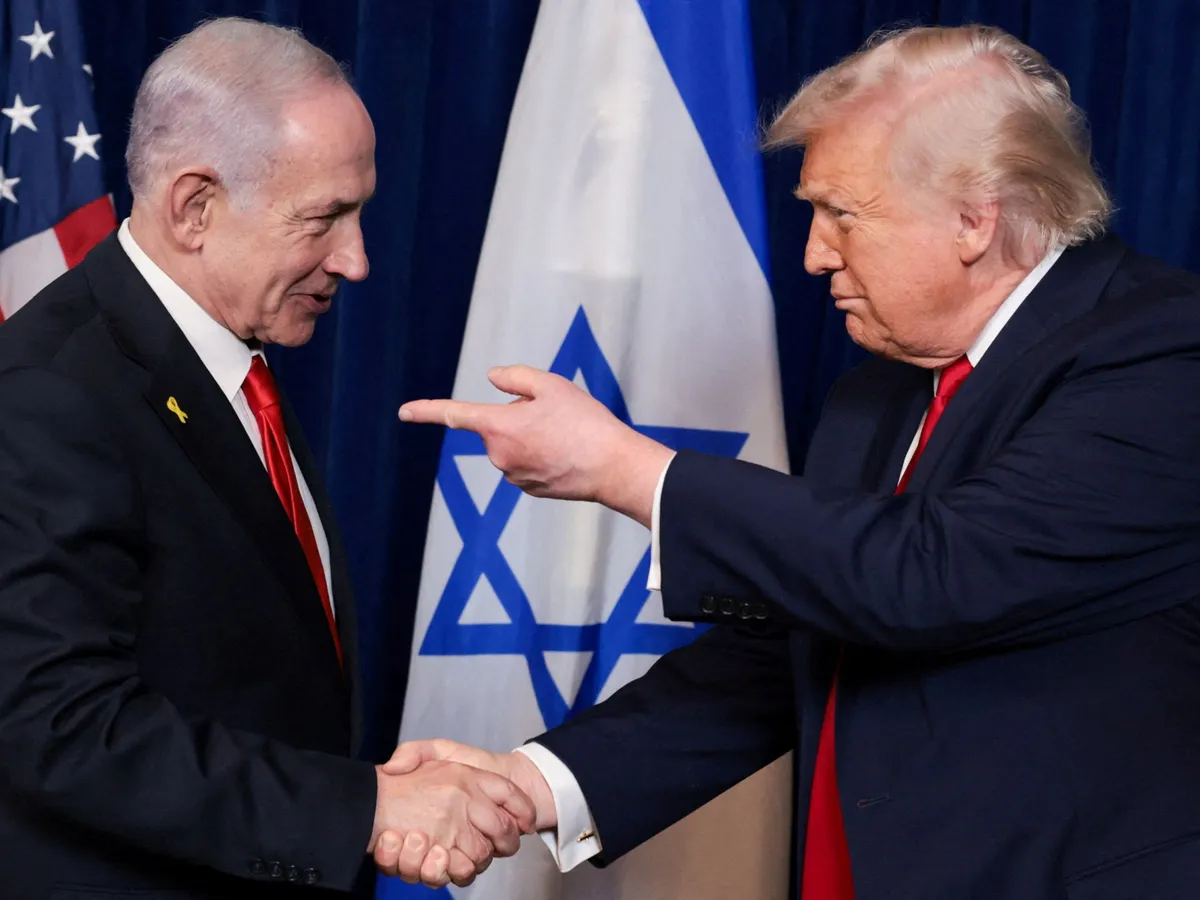
The MoU may pause the war, but it leaves Israel exposed while giving Iran relief before real verification.Republican political strategist, foreign policy analyst and former surrogate for Donald Trump’s 2016 and 2024 presidential campaigns.Published On 19 Jun 2026There is a particular kind of deal that feels triumphant on the day it is signed and corrosive on every day thereafter. The 14-point memorandum of understanding (MoU) the Trump administration concluded with Iran this week is shaping up to be exactly that species of triumph – the kind that requires applauding quickly, before anyone understands the implications.Start with what is genuinely credible, because it is real. The president’s campaign on ending a shooting war, not managing one indefinitely, and a negotiated halt to active hostilities – one that reopens the Strait of Hormuz, lifts a naval blockade, and stops the bombing on all sides – is not nothing. Wars that end through exhaustion rather than victory still end, and the alternative to this MoU was not a better deal sitting on the table; it was an open-ended military commitment with no obvious exit. Give credit where it belongs: This administration was willing to use force when diplomacy failed, and willing to negotiate once force had made its point. That sequencing – military pressure first, diplomacy second – is precisely the theory of the case this president has always offered, and on its own terms it is not unreasonable.But this triumph also has a very obvious shortcoming. The ceasefire was negotiated without the ally that has borne the highest cost for confronting Iran for the past two decades: Israel. The talks ran through Washington, through Pakistani mediators, through Geneva and Versailles – everywhere, it seems, except Israel, the number one United States ally in the region, which has spent years absorbing Hezbollah rockets, Houthi missiles, and the slow bleed of an Iranian proxy network built to destroy it. An ally who supplied the intelligence, the targeting, and in no small part the military rationale for the February attacks on Iran that began this war is now being asked to treat as settled a document it had no hand in drafting. That is not the treatment one extends to a partner. It is the treatment one extends to a complication.
SRCAl Jazeera
LANGEN
LEANCenter
WORDS376
ENT12
FRI · 2026-06-19 · 15:14 GMTBRIEF NSR-2026-0619-85807
NSR-2026-0619-85807Opinion·EN·Diplomatic
Trump’s Iran deal: A victory lap before the victory
The Trump administration has finalized a 14-point memorandum of understanding (MoU) with Iran, which halts active hostilities and reopens the Strait of Hormuz. This agreement, reached after a period of military pressure followed by negotiation, is credited with ending a shooting war and averting an open-ended military commitment.
Adolfo FrancoAl JazeeraFiled 2026-06-19 · 15:14 GMTLean · CenterRead · 2 min
Al JazeeraFIG 01
Reading time
2min
Word count
376words
Sources cited
0cited
Entities identified
12entities
Quality score
100%
§ 01
Briefing Summary
AI-generatedNEWSAR · AI
The Trump administration has finalized a 14-point memorandum of understanding (MoU) with Iran, which halts active hostilities and reopens the Strait of Hormuz. This agreement, reached after a period of military pressure followed by negotiation, is credited with ending a shooting war and averting an open-ended military commitment. However, the MoU was negotiated without the involvement of Israel, a key U.S. ally in the region that has historically borne significant costs from Iranian aggression. Israel, which provided intelligence and military rationale for recent attacks on Iran, was not included in the drafting process. The article suggests this exclusion leaves Israel exposed and provides Iran with relief before comprehensive verification.
Confidence 0.90Claims 5Entities 12
§ 02
Article analysis
Model · rule-basedFraming
Diplomatic
Political Strategy
Tone
Mixed Tone
AI-assessed
CalmNeutralAlarmist
Factuality
0.30 / 1.00
Opinion-Heavy
LowHigh
Sources cited
0
No named sources
FewMany
§ 03
Key claims
5 extracted01
The ceasefire was negotiated without Israel, the ally that has borne the highest cost for confronting Iran for the past two decades.
factual
Confidence
0.90
02
The president’s campaign on ending a shooting war, not managing one indefinitely, and a negotiated halt to active hostilities is not nothing.
factual
Confidence
0.90
03
An ally who supplied the intelligence, the targeting, and in no small part the military rationale for the February attacks on Iran that began this war is now being asked to treat as settled a document it had no hand in drafting.
factual
Confidence
0.80
04
The alternative to this MoU was not a better deal sitting on the table; it was an open-ended military commitment with no obvious exit.
factual
Confidence
0.80
05
The 14-point memorandum of understanding (MoU) with Iran is shaping up to be a triumph that requires applauding quickly, before anyone understands the implications.
factual
Confidence
0.80
§ 04
Full report
2 min read · 376 words§ 05
Entities
12 identifiedKey playerOppositionContextPositiveNeutralNegative
Organizations3
Locations7
Topics1
§ 06
Keywords & salience
10 termsiran deal
1.00
trump administration
0.90
memorandum of understanding
0.80
israel
0.70
ceasefire
0.70
diplomacy
0.60
military pressure
0.60
strait of hormuz
0.50
hezbollah rockets
0.40
houthi missiles
0.40
§ 07
Topic connections
Interactive graph Network visualization showing 51 related topics
View Full Graph Person Organization Location Event|Click node to navigate|Edge numbers = shared articles