Recently discovered Space Weather event ‘appears as a massive, spinning aurora near Earth’s magnetic poles’, say researchers3-MIN READ3-MIN0 ListenPublished: 10:00am, 21 Jun 2026A China-led team has developed an AI system to detect Space hurricanes, a phenomenon in the Earth’s upper atmosphere that can disrupt satellite signals, radar and radio communications.While the hurricane-like atmospheric phenomenon can have major Space Weather effects, detection has so far relied on a tedious process of studying satellite images manually.The team said it had developed a new deep-learning system that could automatically detect and pinpoint Space hurricanes through ultraviolet images, which they said could be used to analyse data from a newly launched China-Europe satellite.“A space hurricane is a recently discovered Space Weather event that appears as a massive, spinning aurora near Earth’s magnetic poles,” the team said in a paper published in the peer-reviewed journal Space Weather on May 23.03:51Space computing: what is it, why move computing into orbit and where does China stand?The phenomenon is named after the tropical cyclones that occur in the north Atlantic and northeastern Pacific, which are the same weather phenomena as typhoons in the northwestern Pacific.
SRCSouth China Morning Post
LANGEN
LEANCenter-Right
WORDS187
ENT11
SUN · 2026-06-21 · 02:00 GMTBRIEF NSR-2026-0621-86065
NSR-2026-0621-86065News Report·EN·Technology
China-led team develops AI system to track radar-disrupting space hurricanes
A China-led research team has developed a new artificial intelligence system to automatically detect "space hurricanes." These phenomena, described as massive, spinning auroras near Earth's magnetic poles, can disrupt satellite signals, radar, and radio communications. Previously, detection relied on manual analysis of satellite images.
Victoria BelaSouth China Morning PostFiled 2026-06-21 · 02:00 GMTLean · Center-RightRead · 1 min
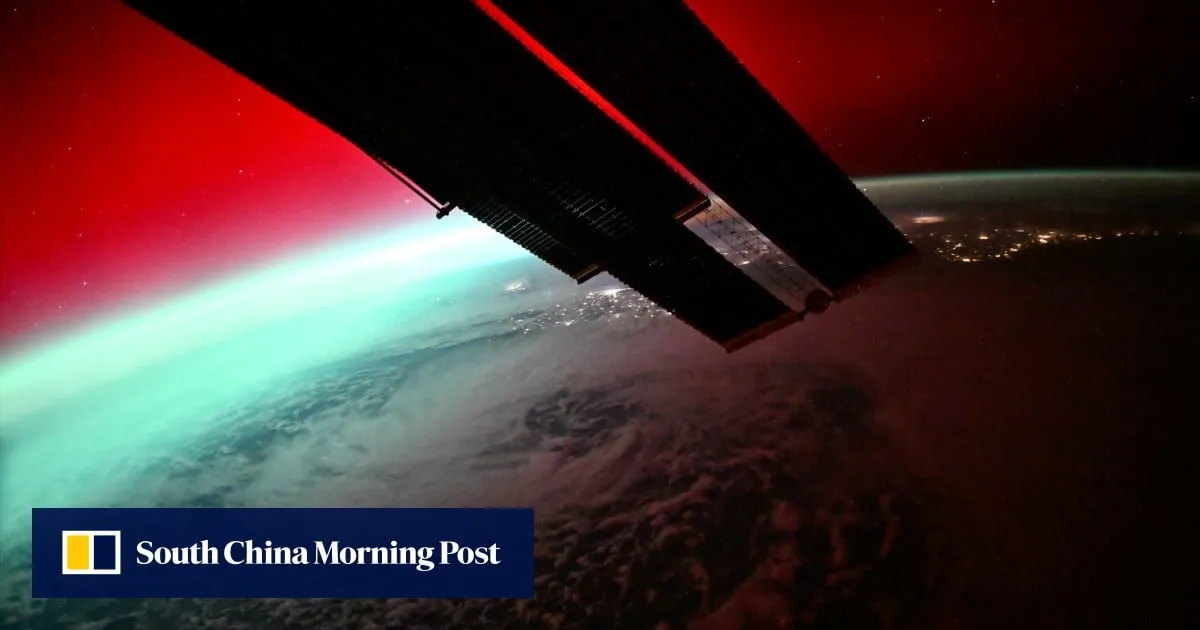
South China Morning PostFIG 01
Reading time
1min
Word count
187words
Sources cited
1cited
Entities identified
11entities
Quality score
100%
§ 01
Briefing Summary
AI-generatedNEWSAR · AI
A China-led research team has developed a new artificial intelligence system to automatically detect "space hurricanes." These phenomena, described as massive, spinning auroras near Earth's magnetic poles, can disrupt satellite signals, radar, and radio communications. Previously, detection relied on manual analysis of satellite images. The AI system utilizes deep learning to identify space hurricanes through ultraviolet images, with potential applications for analyzing data from a newly launched China-Europe satellite. This development aims to improve the detection of these significant space weather events.
Confidence 0.90Sources 1Claims 4Entities 11
§ 02
Article analysis
Model · rule-basedFraming
Technology
Environmental
Tone
Measured
AI-assessed
CalmNeutralAlarmist
Factuality
0.80 / 1.00
Factual
LowHigh
Sources cited
1
Limited
FewMany
§ 03
Key claims
4 extracted01
A space hurricane appears as a massive, spinning aurora near Earth’s magnetic poles.
factualthe team
Confidence
1.00
02
The new deep-learning system can automatically detect and pinpoint space hurricanes through ultraviolet images.
factualthe team
Confidence
1.00
03
Space hurricanes can disrupt satellite signals, radar, and radio communications.
factualresearchers
Confidence
1.00
04
A China-led team has developed an AI system to detect space hurricanes.
factualresearchers
Confidence
1.00
§ 04
Full report
1 min read · 187 words§ 05
Entities
11 identifiedKey playerOppositionContextPositiveNeutralNegative
Locations4
§ 06
Keywords & salience
9 termsspace hurricanes
1.00
ai system
0.90
space weather
0.80
deep-learning system
0.70
radar communications
0.60
satellite signals
0.60
earth's magnetic poles
0.50
china-led team
0.40
ultraviolet images
0.40
§ 07
Topic connections
Interactive graph Network visualization showing 51 related topics
View Full Graph Person Organization Location Event|Click node to navigate|Edge numbers = shared articles