Mature Chinese women are “renting” themselves to younger counterparts to listen to their worries and share life experiences.This service, commonly known as “sister commission,” has gone viral on social media platforms after some women in their 30s and 40s advertised such services.According to the posts, they offer “younger sisters” a listening ear, advice drawn from their richer life experiences, or simply companionship in a cosy atmosphere.Some women charge a commission fee ranging from 150 yuan (US$22) per meeting to 300 yuan per hour. Others provide their services for free, asking only that clients cover the cost of meals or activities they enjoy together.Fees for these meetings range from 150 yuan (US$22) to 300 yuan per hour or per meeting, while some offer their services for free, asking only for meal costs during their time together. Photo: RedNoteOne individual offering “sister commissions” is Kiki, a 27-year-old graduate of the prestigious Fudan University with international study experience.Previously, she worked as a commissioned cosplayer, portraying virtual boyfriend characters for her clients. She then decided to shift her focus to connecting with clients as her true self.Kiki describes herself as an extrovert who “would not let the little sister feel unanswered or awkward.” She believes her age is “just perfect” for listening attentively and sharing interesting experiences without being condescending.Kiki posted her first sister commission in June. The hashtag “sister commission” has garnered only 240,000 views so far, yet posts offering and seeking such services are proliferating online.Women offering sister commissions are often in their 30s and 40s, frequently portraying themselves as extroverts with impressive educational or professional backgrounds.One client noted she felt more at ease sharing secrets with her “sisters” than with others in her life. Photo: ShutterstockThey categorise themselves as either “rational” or “sensible,” allowing clients to choose based on their needs for problem analysis or emotional support.One client shared that she felt “accepted” by her commissioned sister, who would not blame her for being late and patiently advised her when she felt stuck. “She did not pressure me like my parents,” she noted.Another client remarked that she felt more comfortable sharing secrets with the “sisters” than with others around her.A psychological expert, identified only by the surname Li, observed that these commissions reflect young people’s need for relationships to compensate for loneliness and the lack of emotional support in a reality marked by interpersonal pressures.The growing interest in sister commissions aligns with the recent “girls help girls” trend in China.An example of this trend is the proliferation of women’s groups on Douban, a community-oriented Chinese social media platform.These women often present themselves as extroverts with notable educational or professional backgrounds. Photo: ShutterstockOver the past few years, around 500 groups dedicated to female users have been established on the platform. Nearly 70 of these groups are active, with about two-thirds categorised by career or hobby.These groups accept only female members and often include questions about topics that only women would know, such as menstrual periods, to screen applicants.According to several group organisers, they initiated these groups to create a platform where women can support one another in a society heavily dominated by men.Moreover, many group members have expressed comfort in belonging to a “safe” environment where they can share their troubles freely, without fear of judgment or toxic comments from men.These groups have also fostered the practice of calling each other “sister” among female online users, creating an immediate sense of closeness among strangers.A group of researchers from China’s Southeast University studied these communities and concluded that such groups empower members, helping them learn about feminism and women’s rights from one another while encouraging them to advocate for their own rights when facing challenges in their lives.
SRCSouth China Morning Post
LANGEN
LEANCenter-Right
WORDS615
ENT5
MON · 2026-06-22 · 06:00 GMTBRIEF NSR-2026-0622-86312
NSR-2026-0622-86312News Report·EN·Human Interest
Mature Chinese women rent their time, experiences to young counterparts for support
Mature Chinese women are offering "sister commissions," a service where they rent their time and experiences to younger women. These women, often in their 30s and 40s, provide a listening ear, advice, or companionship for a fee ranging from $22 per meeting to $43 per hour, or sometimes for free with meal costs covered.
Fran LuSouth China Morning PostFiled 2026-06-22 · 06:00 GMTLean · Center-RightRead · 3 min
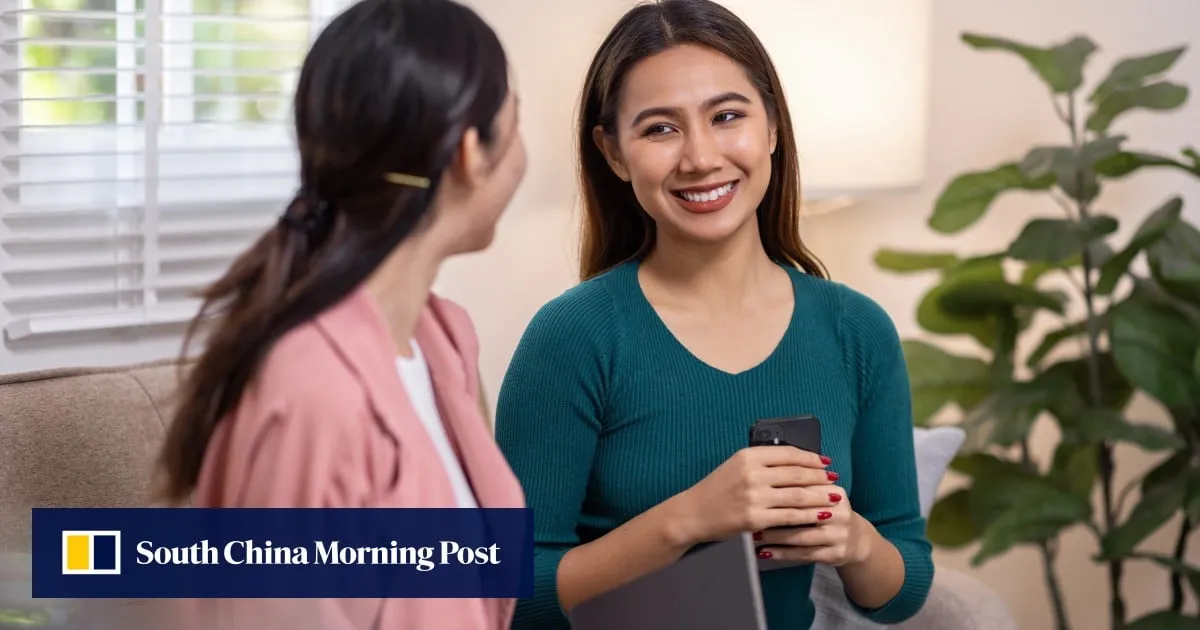
South China Morning PostFIG 01
Reading time
3min
Word count
615words
Sources cited
2cited
Entities identified
5entities
Quality score
100%
§ 01
Briefing Summary
AI-generatedNEWSAR · AI
Mature Chinese women are offering "sister commissions," a service where they rent their time and experiences to younger women. These women, often in their 30s and 40s, provide a listening ear, advice, or companionship for a fee ranging from $22 per meeting to $43 per hour, or sometimes for free with meal costs covered. This trend, gaining traction on social media, reflects a need among young people for emotional support and relationships, compensating for loneliness and interpersonal pressures. The "sister commission" phenomenon aligns with the broader "girls help girls" movement in China, evidenced by the rise of women-only online groups on platforms like Douban, which foster mutual support and a sense of community.
Confidence 0.90Sources 2Claims 5Entities 5
§ 02
Article analysis
Model · rule-basedFraming
Human Interest
Social Justice
Tone
Measured
AI-assessed
CalmNeutralAlarmist
Factuality
0.60 / 1.00
Mixed
LowHigh
Sources cited
2
Limited
FewMany
§ 03
Key claims
5 extracted01
A psychological expert suggests these commissions reflect young people's need for relationships to compensate for loneliness and lack of emotional support.
quotePsychological expert Li
Confidence
0.90
02
Fees for 'sister commission' services range from 150 yuan (US$22) per meeting to 300 yuan per hour, with some offering services for free in exchange for meal costs.
factual
Confidence
0.90
03
Mature Chinese women are offering 'sister commission' services to younger counterparts, providing listening, advice, and companionship.
factual
Confidence
0.90
04
The 'sister commission' trend aligns with the 'girls help girls' movement in China, seen in the proliferation of women's groups on Douban.
factual
Confidence
0.80
05
Clients feel more at ease sharing secrets and receiving advice from 'sisters' than from others in their lives, including parents.
quoteclient
Confidence
0.80
§ 04
Full report
3 min read · 615 words§ 05
Entities
5 identifiedKey playerOppositionContextPositiveNeutralNegative
Organizations1
Locations1
§ 06
Keywords & salience
8 termssister commission
1.00
emotional support
0.90
life experience sharing
0.80
companionship services
0.70
paid listening
0.60
social media trend
0.50
china
0.40
intergenerational connection
0.40
§ 07
Topic connections
Interactive graph No topic relationship data available yet. This graph will appear once topic relationships have been computed.