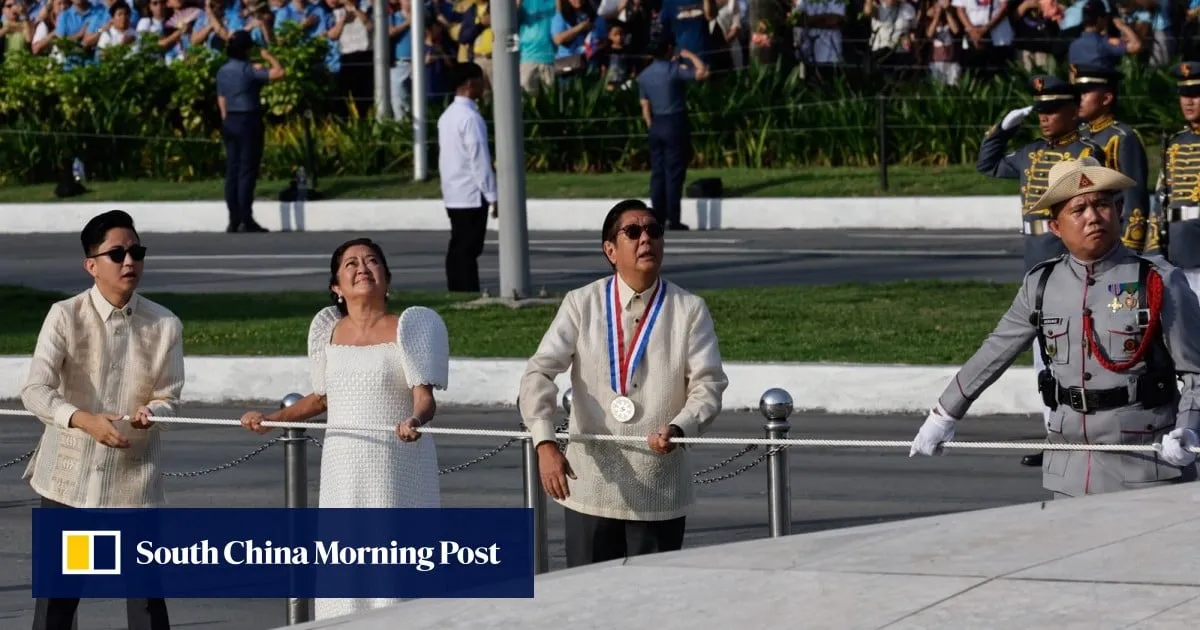
A long-delayed bill meant to curb political dynasties in the Philippines – where powerful families dominate elected offices from Congress to local government – has moved closer to becoming law, but critics say the measure could end up protecting the clans it claims to restrain.The House of Representatives approved the measure in early June, a rare advance for an anti-dynasty law, nearly four decades after the 1987 constitution directed Congress to define and prohibit political dynasties.Lawmakers have never enacted the national legislation needed to give that provision force.
SRCSouth China Morning Post
LANGEN
LEANCenter-Right
WORDS88
ENT4
MON · 2026-06-22 · 10:00 GMTBRIEF NSR-2026-0622-86362
NSR-2026-0622-86362News Report·EN·Political Strategy
Will Philippines’ new bill entrench the political dynasties it aims to curb?
A bill aimed at curbing political dynasties in the Philippines, where powerful families hold numerous elected positions, has advanced in the House of Representatives, nearing enactment after nearly four decades since the 1987 constitution mandated such legislation. The House approved the measure in early June, marking a significant step for an anti-dynasty law that has previously stalled.
Sam BeltranSouth China Morning PostFiled 2026-06-22 · 10:00 GMTLean · Center-RightRead · 1 min
South China Morning PostFIG 01
Reading time
1min
Word count
88words
Sources cited
0cited
Entities identified
4entities
Quality score
100%
§ 01
Briefing Summary
AI-generatedNEWSAR · AI
A bill aimed at curbing political dynasties in the Philippines, where powerful families hold numerous elected positions, has advanced in the House of Representatives, nearing enactment after nearly four decades since the 1987 constitution mandated such legislation. The House approved the measure in early June, marking a significant step for an anti-dynasty law that has previously stalled. However, critics express concern that the bill, despite its stated intention, may inadvertently protect the very political clans it seeks to restrain. Lawmakers have historically failed to pass the necessary national legislation to implement the constitutional directive against political dynasties.
Confidence 0.85Claims 5Entities 4
§ 02
Article analysis
Model · rule-basedFraming
Political Strategy
Legal & Judicial
Tone
Measured
AI-assessed
CalmNeutralAlarmist
Factuality
0.70 / 1.00
Factual
LowHigh
Sources cited
0
No named sources
FewMany
§ 03
Key claims
5 extracted01
Lawmakers have never enacted the national legislation needed to give that provision force.
factual
Confidence
1.00
02
The 1987 constitution directed Congress to define and prohibit political dynasties.
factual
Confidence
1.00
03
The House of Representatives approved the measure in early June.
factual
Confidence
1.00
04
A bill meant to curb political dynasties in the Philippines has moved closer to becoming law.
factual
Confidence
1.00
05
Critics say the measure could end up protecting the clans it claims to restrain.
quotecritics
Confidence
0.90
§ 04
Full report
1 min read · 88 words§ 05
Entities
4 identifiedKey playerOppositionContextPositiveNeutralNegative
Organizations1
Locations1
§ 06
Keywords & salience
7 termspolitical dynasties
1.00
philippines
0.90
anti-dynasty law
0.80
legislation
0.70
house of representatives
0.60
elected offices
0.50
1987 constitution
0.40
§ 07
Topic connections
Interactive graph Network visualization showing 51 related topics
View Full Graph Person Organization Location Event|Click node to navigate|Edge numbers = shared articles