Ningxia is a perfect example of how the East meets the West. Located in the northwest inland region of China, it is the intersection of the Eurasian steppe and Chinese farmlands.Fudan University, in collaboration with the Ningxia-institute-of-cultural-relics-and-archaeology" class="entity-link entity-organization" data-entity-id="150962" data-entity-type="organization">Ningxia Institute of Cultural Relics and Archaeology and Northwest University, has recently conducted the largest ancient genomics research project in Ningxia.The researchers found that human genes from the East and the West have fused through wars and trade in this narrow strip of land, now known as the Ningxia-hui-autonomous-region" class="entity-link entity-location" data-entity-id="150964" data-entity-type="location">Ningxia Hui autonomous region.
SRCSouth China Morning Post
LANGEN
LEANCenter-Right
WORDS88
ENT10
TUE · 2026-06-23 · 04:00 GMTBRIEF NSR-2026-0623-86592
NSR-2026-0623-86592News Report·EN·Human Interest
Study shows 4,000-year battle of Eastern and Western genes in China’s heartland
A large-scale ancient genomics study in China's Ningxia region has revealed a 4,000-year fusion of Eastern and Western genes. Researchers from Fudan University, in collaboration with the Ningxia Institute of Cultural Relics and Archaeology and Northwest University, conducted the project in this northwest inland area, which historically served as a crossroads between the Eurasian steppe and Chinese farmlands.
Shi HuangSouth China Morning PostFiled 2026-06-23 · 04:00 GMTLean · Center-RightRead · 1 min
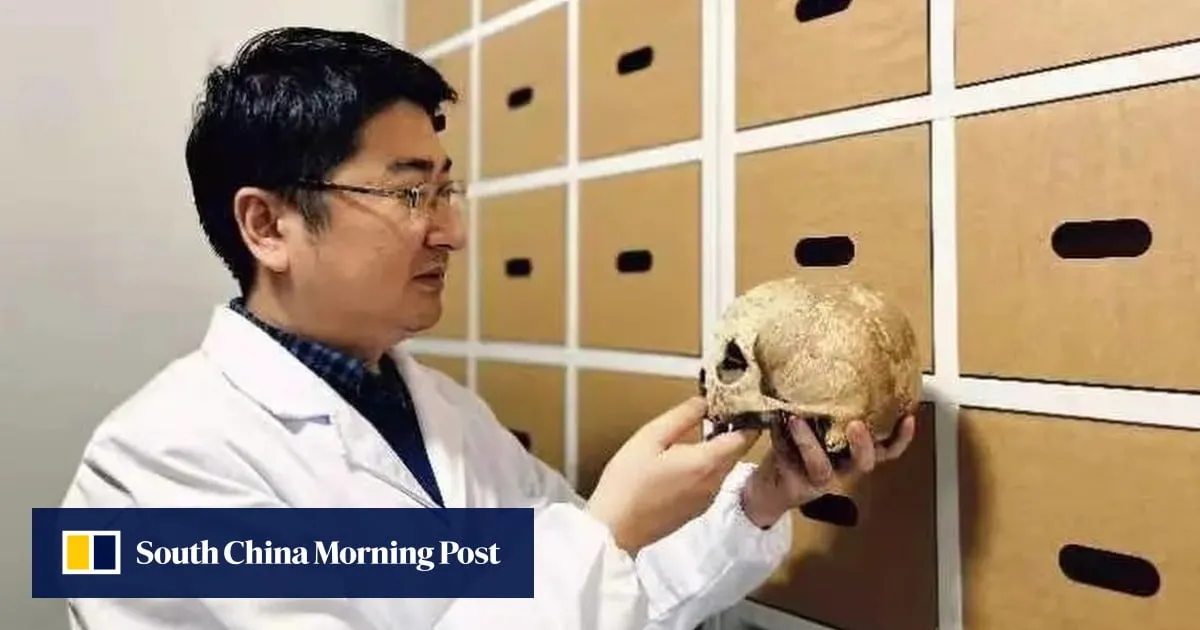
South China Morning PostFIG 01
Reading time
1min
Word count
88words
Sources cited
3cited
Entities identified
10entities
Quality score
100%
§ 01
Briefing Summary
AI-generatedNEWSAR · AI
A large-scale ancient genomics study in China's Ningxia region has revealed a 4,000-year fusion of Eastern and Western genes. Researchers from Fudan University, in collaboration with the Ningxia Institute of Cultural Relics and Archaeology and Northwest University, conducted the project in this northwest inland area, which historically served as a crossroads between the Eurasian steppe and Chinese farmlands. The study found that human populations from both the East and the West intermingled and exchanged genes in Ningxia through conflict and commerce. This genetic blending occurred over a span of approximately 4,000 years in the region now known as the Ningxia Hui autonomous region.
Confidence 0.85Sources 3Claims 4Entities 10
§ 02
Article analysis
Model · rule-basedFraming
Human Interest
Conflict
Tone
Measured
AI-assessed
CalmNeutralAlarmist
Factuality
0.80 / 1.00
Factual
LowHigh
Sources cited
3
Well sourced
FewMany
§ 03
Key claims
4 extracted01
Fudan University, Ningxia Institute of Cultural Relics and Archaeology, and Northwest University conducted a large ancient genomics research project in Ningxia.
factual
Confidence
1.00
02
Ningxia is a geographical intersection of the Eurasian steppe and Chinese farmlands.
factual
Confidence
1.00
03
The research project is described as the largest ancient genomics research project in Ningxia.
factualresearchers
Confidence
0.90
04
Human genes from the East and West have fused in Ningxia through wars and trade over 4,000 years.
factualresearchers
Confidence
0.90
§ 04
Full report
1 min read · 88 words§ 05
Entities
10 identifiedKey playerOppositionContextPositiveNeutralNegative
Organizations3
Locations4
§ 06
Keywords & salience
7 termsancient genomics
1.00
gene fusion
0.90
east-west gene flow
0.80
ningxia
0.70
china's heartland
0.60
eurasian steppe
0.50
wars and trade
0.40
§ 07
Topic connections
Interactive graph No topic relationship data available yet. This graph will appear once topic relationships have been computed.