The US Supreme Court has ruled that a former Louisiana inmate cannot sue prison officials who forcibly shaved his dreadlocks in violation of his Rastafarian faith. In a 6-3 ruling, the top court said the prisoner, Damon Landor, was not entitled to monetary damages under a federal religious freedom law as it did not apply to individual officials. The justices said state employees did not consent to face lawsuits in their personal capacities when Congress passed the the Religious Land Use and Institutionalized Persons Act (RLUIPA) in 2000.The ruling marks a departure from a series of recent Supreme Court decisions, in which the justices have generally sided with religious-liberty claims.In 2020, when Landor was serving time for a drug-related charge, officers handcuffed him to a chair and shaved his head after he argued it would violate his religious rights as a Rastafarian.In a statement to USA Today, Landor said his dreadlocks are "a part of me and part of who I am". "So when they cut off my hair, they cut off my crown," he said. Growing uncut, uncombed hair into dreadlocks is a symbol of devotion and spiritual growth for Rastafarians.
SRCBBC News - World
LANGEN
LEANCenter
WORDS192
ENT6
TUE · 2026-06-23 · 15:57 GMTBRIEF NSR-2026-0623-86752
NSR-2026-0623-86752News Report·EN·Legal & Judicial
US top court says Rastafarian man cannot sue prison guards who cut his dreadlocks
The US Supreme Court has ruled that a former Louisiana inmate, Damon Landor, cannot sue prison officials for forcibly shaving his dreadlocks. In a 6-3 decision, the court stated that Landor is not entitled to monetary damages under the federal Religious Land Use and Institutionalized Persons Act (RLUIPA) because the law does not apply to individual state employees.
Just nowShareSaveAdd as preferred on GoogleBBC News - WorldFiled 2026-06-23 · 15:57 GMTLean · CenterRead · 1 min
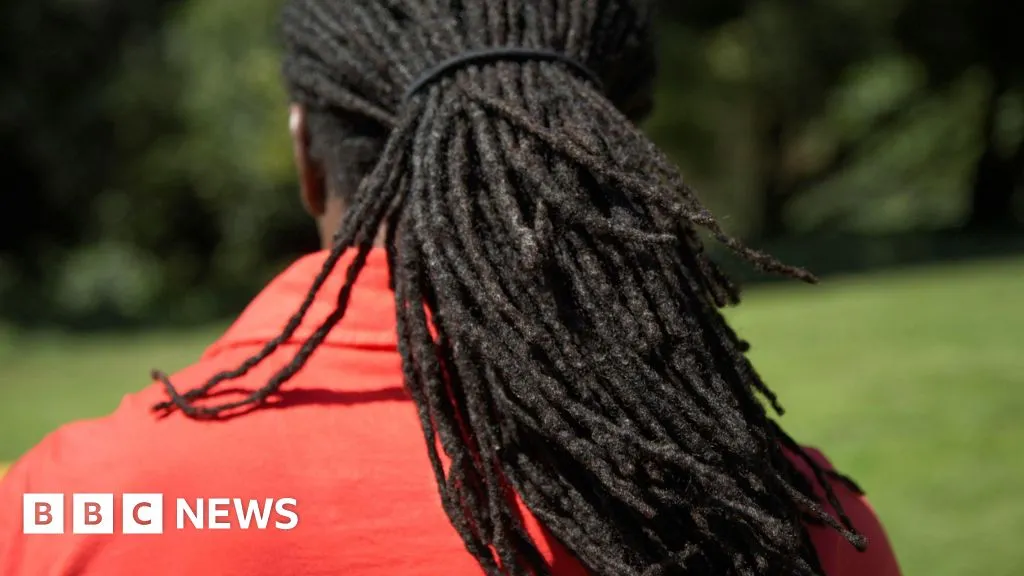
BBC News - WorldFIG 01
Reading time
1min
Word count
192words
Sources cited
1cited
Entities identified
6entities
Quality score
100%
§ 01
Briefing Summary
AI-generatedNEWSAR · AI
The US Supreme Court has ruled that a former Louisiana inmate, Damon Landor, cannot sue prison officials for forcibly shaving his dreadlocks. In a 6-3 decision, the court stated that Landor is not entitled to monetary damages under the federal Religious Land Use and Institutionalized Persons Act (RLUIPA) because the law does not apply to individual state employees. The justices reasoned that state employees did not consent to personal lawsuits when RLUIPA was enacted in 2000. Landor, a Rastafarian, argued that the forced shaving violated his religious rights, as uncut, uncombed hair into dreadlocks is a symbol of devotion for Rastafarians. This ruling contrasts with recent Supreme Court decisions that have generally favored religious-liberty claims.
Confidence 0.90Sources 1Claims 5Entities 6
§ 02
Article analysis
Model · rule-basedFraming
Legal & Judicial
Human Rights
Tone
Measured
AI-assessed
CalmNeutralAlarmist
Factuality
0.90 / 1.00
Factual
LowHigh
Sources cited
1
Limited
FewMany
§ 03
Key claims
5 extracted01
Growing uncut, uncombed hair into dreadlocks is a symbol of devotion and spiritual growth for Rastafarians.
factual
Confidence
1.00
02
Damon Landor stated his dreadlocks are 'a part of me and part of who I am'.
quoteDamon Landor
Confidence
1.00
03
The ruling stated state employees did not consent to face lawsuits in their personal capacities under RLUIPA.
factualUS Supreme Court
Confidence
1.00
04
The court ruled 6-3 that the inmate was not entitled to monetary damages under a federal religious freedom law.
factualUS Supreme Court
Confidence
1.00
05
The US Supreme Court ruled a former inmate cannot sue prison officials who forcibly shaved his dreadlocks.
factualUS Supreme Court
Confidence
1.00
§ 04
Full report
1 min read · 192 words§ 05
Entities
6 identifiedKey playerOppositionContextPositiveNeutralNegative
Organizations1
§ 06
Keywords & salience
8 termsreligious freedom
1.00
rluipa
0.90
rastafarian faith
0.90
dreadlocks
0.80
supreme court
0.70
prison inmate
0.60
monetary damages
0.50
individual officials
0.40
§ 07
Topic connections
Interactive graph Network visualization showing 48 related topics
View Full Graph Person Organization Location Event|Click node to navigate|Edge numbers = shared articles