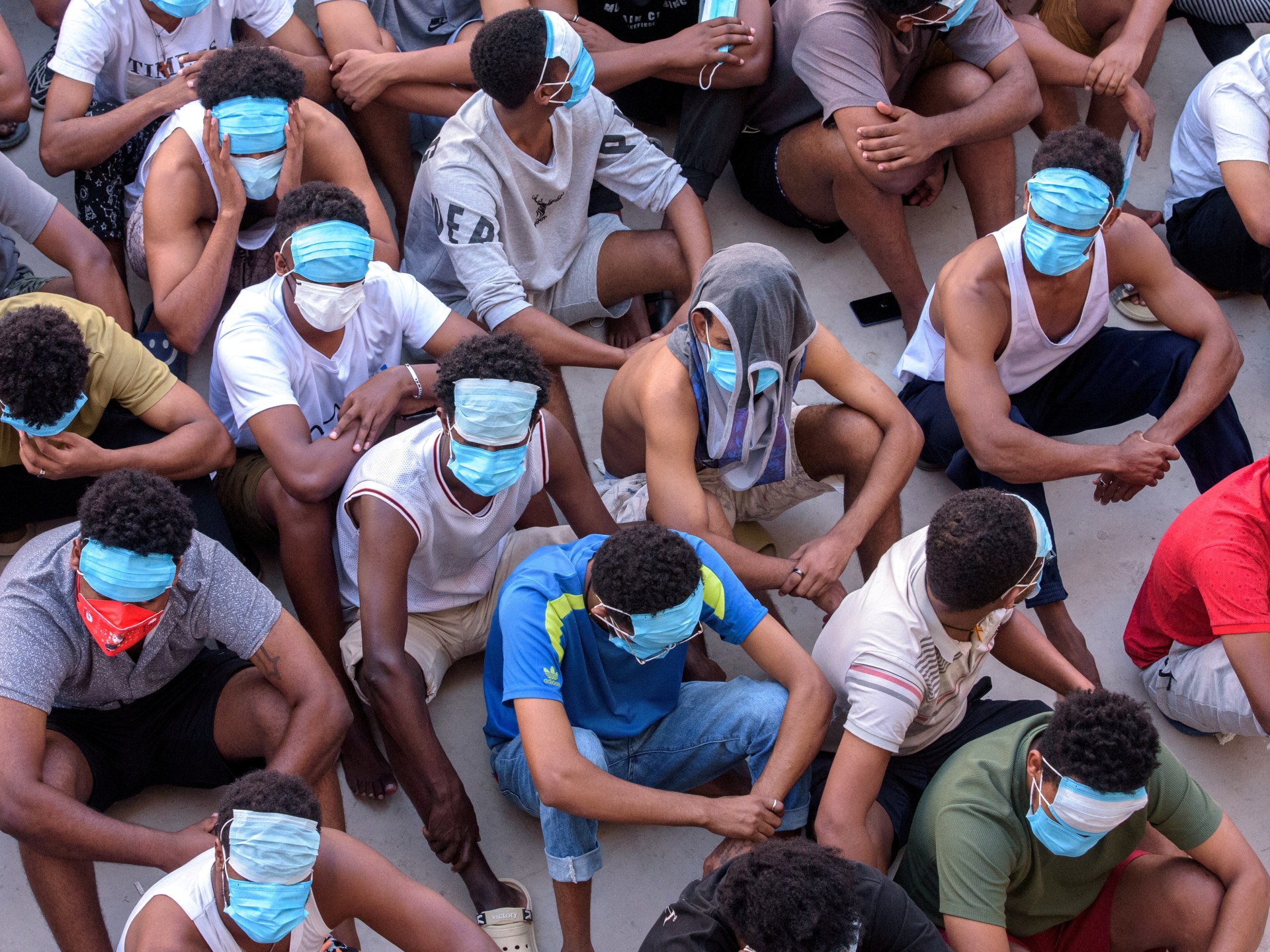
Those trapped in the compounds include Chinese, Philippine, Taiwanese, Malaysian and Brazilian nationals.More than 5,300 people remain trapped in online scam centres in Myanmar near the Thai border, despite a multinational crackdown in the region last year, a human rights group says.The Thai-based Civil Society Network for human trafficking Victim Assistance (CSNHTV) sent a letter to Thai police urging them to take action. It said many of those trapped were foreign nationals held at four locations inside areas controlled by the Myanmar-democratic-karen-buddhist-army" class="entity-link entity-organization" data-entity-id="151291" data-entity-type="organization">Myanmar Democratic Karen Buddhist Army militia.Recommended Stories list of 3 itemslist 1 of 3Dozens of South Koreans freed from Cambodia scam centres now home, arrestedlist 2 of 3ASEAN summit in Malaysia: Who’s attending and what to expectlist 3 of 3Myanmar military arrests more than 2,000 people at infamous scam centreend of listAccording to the CSNHTV, an estimated 1,600 people trapped are Chinese nationals, and about 200 are people of Myanmar, along with people from the Philippines, Taiwan, Malaysia, Brazil, Russia, Kenya, Uganda, Rwanda, and Zimbabwe.“Many of these compounds have yet to be dismantled or subjected to rescue operations to free all remaining victims,” it said.“As a result, these syndicates continue to engage in online fraud and human trafficking, causing harm to victims around the world, particularly in the United States and Europe.”Scam centres in Southeast Asia, including those in Myanmar and Cambodia, run illegal online schemes that are designed to defraud people worldwide.“Litany of abuse”The centres grew significantly during the COVID-19 pandemic in the region, and were initially tied to poorly run casinos and online gambling. They have now become a multibillion-dollar industry, according to the United Nations.A UN report in February said the facilities are mostly staffed by foreign nationals who have been trafficked by criminal gangs and subjected to abuse.
SRCAl Jazeera
LANGEN
LEANCenter
WORDS293
ENT12
TUE · 2026-06-23 · 14:55 GMTBRIEF NSR-2026-0623-86762
NSR-2026-0623-86762News Report·EN·Human Rights
More than 5,300 people still held in Myanmar scam centres: rights group
Over 5,300 individuals, including Chinese, Filipino, Taiwanese, Malaysian, and Brazilian nationals, remain trapped in online scam centers in Myanmar, near the Thai border. A Thai-based human rights group, the Civil Society Network for Human Trafficking Victim Assistance (CSNHTV), has urged Thai police to act, highlighting that these facilities are operated by foreign nationals trafficked by criminal gangs.
Al Jazeera StaffAl JazeeraFiled 2026-06-23 · 14:55 GMTLean · CenterRead · 2 min
Al JazeeraFIG 01
Reading time
2min
Word count
293words
Sources cited
2cited
Entities identified
12entities
Quality score
100%
§ 01
Briefing Summary
AI-generatedNEWSAR · AI
Over 5,300 individuals, including Chinese, Filipino, Taiwanese, Malaysian, and Brazilian nationals, remain trapped in online scam centers in Myanmar, near the Thai border. A Thai-based human rights group, the Civil Society Network for Human Trafficking Victim Assistance (CSNHTV), has urged Thai police to act, highlighting that these facilities are operated by foreign nationals trafficked by criminal gangs. These centers, which grew significantly during the COVID-19 pandemic, engage in online fraud and human trafficking, causing harm to victims globally, particularly in the United States and Europe. A UN report indicated that these facilities are largely staffed by trafficked foreign nationals subjected to abuse. Despite a multinational crackdown last year, many compounds have not been dismantled or subjected to rescue operations.
Confidence 0.90Sources 2Claims 4Entities 12
§ 02
Article analysis
Model · rule-basedFraming
Human Rights
Human Interest
Tone
Measured
AI-assessed
CalmNeutralAlarmist
Factuality
0.80 / 1.00
Factual
LowHigh
Sources cited
2
Limited
FewMany
§ 03
Key claims
4 extracted01
The trapped individuals include Chinese, Philippine, Taiwanese, Malaysian, and Brazilian nationals, among others.
factualCivil Society Network for Human Trafficking Victim Assistance
Confidence
0.90
02
More than 5,300 people remain trapped in online scam centers in Myanmar near the Thai border.
statisticCivil Society Network for Human Trafficking Victim Assistance
Confidence
0.90
03
Many of these compounds have yet to be dismantled or subjected to rescue operations.
factualCivil Society Network for Human Trafficking Victim Assistance
Confidence
0.80
04
These scam centers have become a multibillion-dollar industry, growing significantly during the COVID-19 pandemic.
statisticUnited Nations
Confidence
0.80
§ 04
Full report
2 min read · 293 words§ 05
Entities
12 identifiedKey playerOppositionContextPositiveNeutralNegative
Organizations3
Locations7
§ 06
Keywords & salience
10 termsmyanmar scam centers
1.00
human trafficking
0.90
online fraud
0.80
foreign nationals
0.70
multinational crackdown
0.60
criminal gangs
0.50
thai police
0.40
united nations
0.40
southeast asia
0.40
covid-19 pandemic
0.40
§ 07
Topic connections
Interactive graph Network visualization showing 51 related topics
View Full Graph Person Organization Location Event|Click node to navigate|Edge numbers = shared articles