The US supreme court refused on Tuesday to let a Rastafarian man sue state prison officials in Louisiana after guards held him down and shaved him bald in violation of his religious beliefs, in a landmark case.The case was brought under a federal law designed to protect incarcerated people from religious discrimination.The court, in a 6-3 opinion, upheld a lower court’s decision to dismiss Damon Landor’s lawsuit because it found the statute at issue did not permit him to sue the individual prison officials and guards for monetary damages. Landor’s religion requires him to let his hair grow.The court’s three liberal justices dissented from the opinion.The law, called the Religious Land Use and Institutionalized Persons Act (RLUIPA) of 2000, prohibits religious discrimination by state and local governments in land-use regulations and also protects the religious rights of people confined to institutions such as prisons and jails.The Trump administration backed Landor, urging the supreme court to revive the case.The court had expanded the rights of religious people and institutions in a series of opinions in recent years. It heard arguments in the case in November.Landor grew his hair over a span of 20 years into long locks that reached his knees. In 2020, near the end of a five-month prison sentence for drug possession, Landor was transferred to the Raymond Laborde Correctional Center in Cottonport, Louisiana.There, Landor reminded officials that the New Orleans-based fifth US circuit court of appeals had ruled in a 2017 case that Louisiana’s policy of cutting the hair of Rastafarians violated the 2000 law. Landor even handed over a copy of that ruling, but a guard threw it in the trash, according to court documents in the case.Landor was then handcuffed to a chair, held down and shaved.The Rastafari religion dates back almost a century to Jamaica, with a recognition for an Ethiopian messiah and a vow that growing uncut dreadlocks is integral to the faith, in which Landor had declared himself a devout follower.“When I was strapped down and shaved, it felt like I was raped,” Landor said in a statement during the closely-watched case, as reported by ABC.Landor, who lives in Slidell, Louisiana sued, but a federal judge threw out his case. In 2023, the appeals court upheld that decision, concluding that the law at issue does not allow individual officials to be personally held liable for money damages.Without a damages remedy, the law would provide no deterrent against abuse by officials, Landor’s lawyers told the supreme court.Landor’s lawyers have called the statute similar to a 1993 law called the Religious Freedom Restoration Act that prohibits religious infringement by the federal government.In 2020, the supreme court allowed for monetary damages claims under the Religious Freedom Restoration Act in a case involving a bid by three Muslim Americans to sue FBI agents whom they accused of placing the men on the government’s anti-terrorism “no-fly list” for refusing to become informants.The opinion was delivered by Justice Neil Gorsuch, with the chief justice, John Roberts, as well as justices Clarence Thomas, Samuel Alito, Brett Kavanaugh and Amy Coney Barrett concurring. Justices Sonia Sotomayor, Elena Kagan and Ketanji Brown Jackson dissented.Landor “does not have a federal RLUIPA cause of action against the officers. Under the Spending Clause, Congress lacks regulatory authority to impose liability on them directly and must depend instead on consent. And because they never agreed to answer suits like this one, Mr Landor’s case cannot proceed against them any more than a breach of contract action might proceed against a defendant who never formed a contract,” Gorsuch wrote.Jackson filed the dissenting opinion, which was joined by fellow liberal justices.She wrote that prisoners “like Landor who suffer violations of their religious freedom in state prisons – no matter how blatant – will often be left remediless. And encroachments on prisoners’ statutory rights are likely to happen with fair frequency, as state-empowered prison officials will have little incentive to abide by federal law, even if it is handed to them on a piece of paper.”Reuters contributed reporting
SRCThe Guardian - World News
LANGEN
LEANCenter-Left
WORDS669
ENT12
TUE · 2026-06-23 · 15:45 GMTBRIEF NSR-2026-0623-86773
NSR-2026-0623-86773News Report·EN·Human Rights
US supreme court blocks Rastafarian man’s lawsuit over forced head-shaving in prison
The US Supreme Court, in a 6-3 decision, ruled that a Rastafarian man, Damon Landor, cannot sue Louisiana prison officials for monetary damages after guards forcibly shaved his hair, which violated his religious beliefs. Landor's religion requires him to grow uncut hair, and he had grown his locks for over 20 years.
Guardian staff and agencyThe Guardian - World NewsFiled 2026-06-23 · 15:45 GMTLean · Center-LeftRead · 3 min
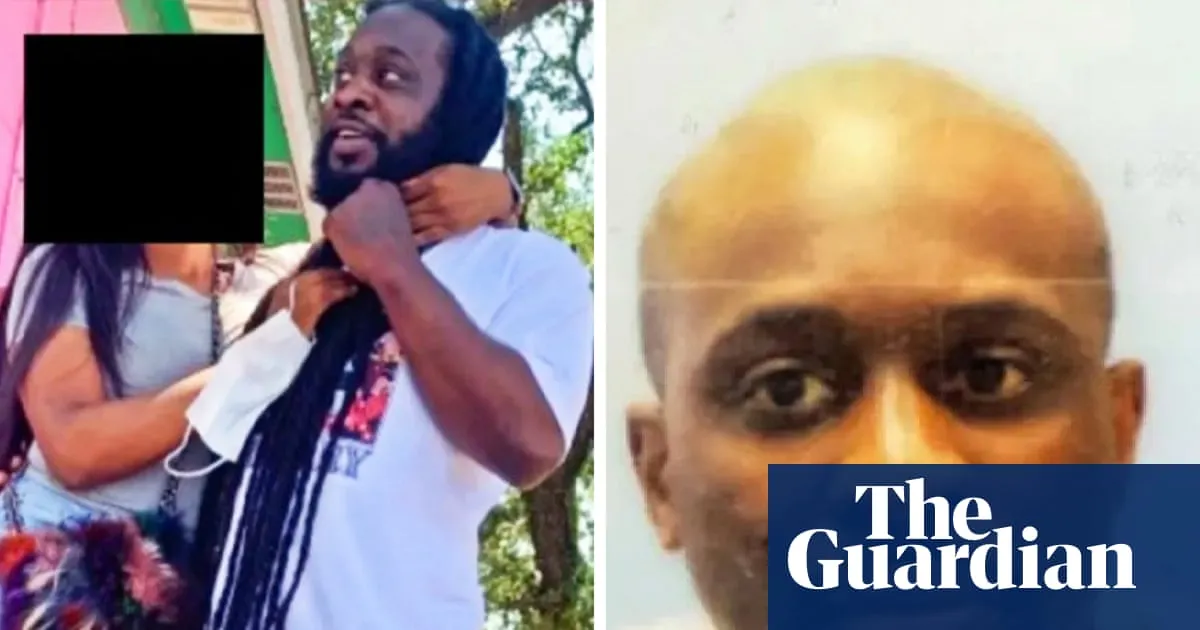
The Guardian - World NewsFIG 01
Reading time
3min
Word count
669words
Sources cited
3cited
Entities identified
12entities
Quality score
100%
§ 01
Briefing Summary
AI-generatedNEWSAR · AI
The US Supreme Court, in a 6-3 decision, ruled that a Rastafarian man, Damon Landor, cannot sue Louisiana prison officials for monetary damages after guards forcibly shaved his hair, which violated his religious beliefs. Landor's religion requires him to grow uncut hair, and he had grown his locks for over 20 years. The court found that the Religious Land Use and Institutionalized Persons Act (RLUIPA) does not permit individuals to sue state prison officials for monetary damages. Landor had reminded officials of a prior ruling that protected Rastafarians' hair, but his hair was still forcibly cut. The three liberal justices dissented, arguing that this decision leaves prisoners remediless against religious freedom violations.
Confidence 0.90Sources 3Claims 5Entities 12
§ 02
Article analysis
Model · rule-basedFraming
Human Rights
Legal & Judicial
Tone
Mixed Tone
AI-assessed
CalmNeutralAlarmist
Factuality
0.80 / 1.00
Factual
LowHigh
Sources cited
3
Well sourced
FewMany
§ 03
Key claims
5 extracted01
Landor stated, 'When I was strapped down and shaved, it felt like I was raped.'
quoteDamon Landor
Confidence
1.00
02
Damon Landor's religion requires him to grow his hair, and he had grown it into long locks over 20 years.
factual
Confidence
1.00
03
The court upheld a lower court's dismissal, stating the law did not permit suing individual officials for monetary damages.
factual
Confidence
1.00
04
The lawsuit was based on a federal law protecting incarcerated people from religious discrimination.
factual
Confidence
1.00
05
US Supreme Court refused to allow a Rastafarian man to sue state prison officials over forced head-shaving.
factual
Confidence
1.00
§ 04
Full report
3 min read · 669 words§ 05
Entities
12 identifiedKey playerOppositionContextPositiveNeutralNegative
Organizations4
Locations5
§ 06
Keywords & salience
9 termsreligious freedom
1.00
forced head-shaving
0.90
rluipa
0.90
rastafarian
0.80
religious discrimination
0.70
prison officials
0.70
us supreme court
0.60
monetary damages
0.50
institutionalized persons
0.40
§ 07
Topic connections
Interactive graph No topic relationship data available yet. This graph will appear once topic relationships have been computed.