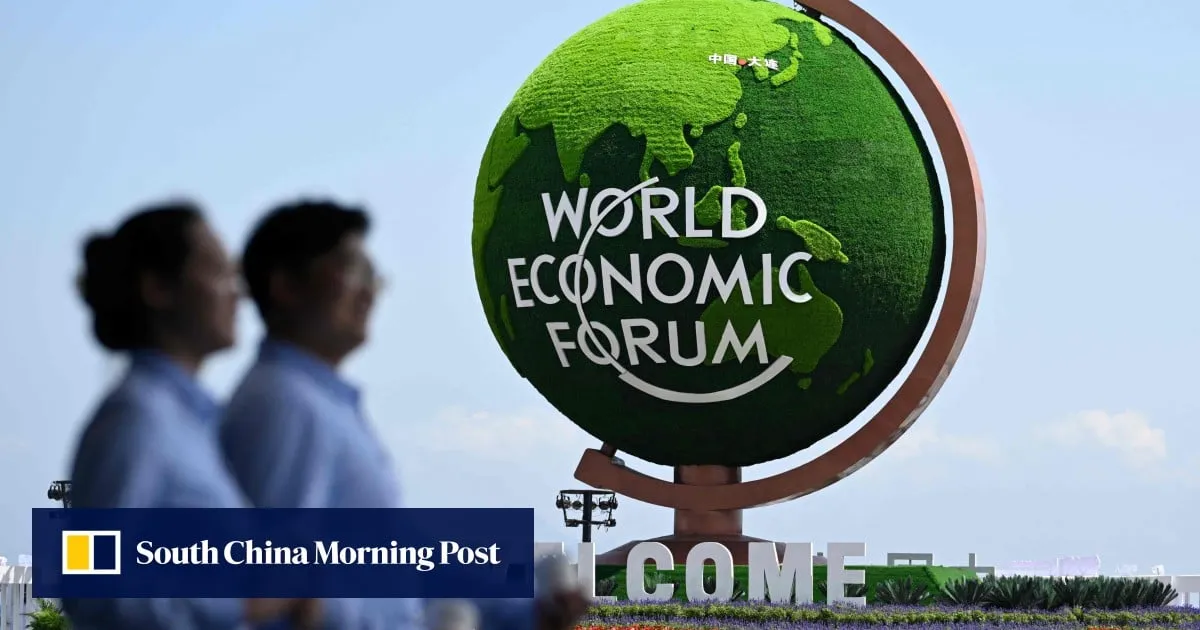
China’s industrial overcapacity should not be singled out for blame amid trade imbalances, as economies worldwide are struggling to adapt to shifts in the global economy, contributing to mounting pressures, a prominent Chinese scholar said in comments directed at the United States.“The reason why our imbalance is becoming a bigger problem is that the rest of the world is having a bigger problem in adjusting the economic structure,” said Huang Yiping, dean of Peking University’s National School of Development and an adviser to China’s central bank, on Tuesday.Speaking at the World Economic Forum’s annual meeting in Dalian, Huang pointed to the US, arguing that Washington’s complaints over Chinese exports hurting manufacturing jobs had overlooked America’s deeper constraints in managing the impact of trade and globalisation.
SRCSouth China Morning Post
LANGEN
LEANCenter-Right
WORDS125
ENT11
TUE · 2026-06-23 · 14:00 GMTBRIEF NSR-2026-0623-86780
NSR-2026-0623-86780Analysis·EN·Economic Impact
What fuels global trade imbalances: China’s overcapacity or America’s failure to adapt?
A prominent Chinese scholar, Huang Yiping, dean of Peking University's National School of Development and an advisor to China's central bank, stated at the World Economic Forum in Dalian that China's industrial overcapacity is not solely to blame for global trade imbalances. He argued that other economies, particularly the United States, are struggling to adapt to global economic shifts and structural adjustments.
Sylvia Ma,Xinyi WuSouth China Morning PostFiled 2026-06-23 · 14:00 GMTLean · Center-RightRead · 1 min
South China Morning PostFIG 01
Reading time
1min
Word count
125words
Sources cited
1cited
Entities identified
11entities
Quality score
100%
§ 01
Briefing Summary
AI-generatedNEWSAR · AI
A prominent Chinese scholar, Huang Yiping, dean of Peking University's National School of Development and an advisor to China's central bank, stated at the World Economic Forum in Dalian that China's industrial overcapacity is not solely to blame for global trade imbalances. He argued that other economies, particularly the United States, are struggling to adapt to global economic shifts and structural adjustments. Huang suggested that the US's complaints about Chinese exports impacting its manufacturing jobs overlook deeper constraints within the American economy in managing trade and globalization. The scholar's comments imply that a broader failure to adjust economically worldwide is exacerbating trade imbalances, rather than just China's overcapacity.
Confidence 0.85Sources 1Claims 4Entities 11
§ 02
Article analysis
Model · rule-basedFraming
Economic Impact
Political Strategy
Tone
Measured
AI-assessed
CalmNeutralAlarmist
Factuality
0.30 / 1.00
Opinion-Heavy
LowHigh
Sources cited
1
Limited
FewMany
§ 03
Key claims
4 extracted01
Global economies are struggling to adapt to shifts in the global economy, contributing to trade pressures.
quoteHuang Yiping
Confidence
0.90
02
China's industrial overcapacity should not be solely blamed for global trade imbalances.
quoteHuang Yiping
Confidence
0.90
03
US complaints over Chinese exports hurting manufacturing jobs overlook America's structural issues.
quoteHuang Yiping
Confidence
0.80
04
The US has deeper constraints in managing the impact of trade and globalization than acknowledged.
quoteHuang Yiping
Confidence
0.80
§ 04
Full report
1 min read · 125 words§ 05
Entities
11 identifiedKey playerOppositionContextPositiveNeutralNegative
Organizations4
§ 06
Keywords & salience
8 termsglobal trade imbalances
1.00
china's overcapacity
0.90
economic structure adjustment
0.80
global economy shifts
0.70
us manufacturing jobs
0.60
globalisation impact
0.50
world economic forum
0.40
peking university
0.40
§ 07
Topic connections
Interactive graph No topic relationship data available yet. This graph will appear once topic relationships have been computed.