EXPLAINERParis and other European cities are experiencing temperatures above 40C (104F), reaching levels normally seen across the Middle East.A blistering heatwave has gripped much of Europe, prompting the highest-level red alerts in parts of the United Kingdom, France, Spain and Italy.Authorities have warned of health risks, wildfires and travel disruptions as extreme temperatures persist.Recommended Stories list of 3 itemslist 1 of 3How to stay cool and treat heatstroke during a heatwavelist 2 of 3How does air conditioning work, and how does it affect your body?list 3 of 3Power outages in France as Europe bakes in record heatend of listWith temperatures approaching record highs, officials have taken emergency measures, including a localised alcohol ban in parts of France under red alert, nationwide heat warnings in Germany and the cancellation of a World Cup fan zone screening in Madrid, where temperatures hit 39C (102F).Why is it so hot in Europe?A persistent area of high pressure, known as a heat dome, has trapped hot air over Western Europe, bringing clear skies, weak winds and prolonged sunshine. Hot air moving north from North Africa has added to the extreme temperatures.(Al Jazeera)Unusually warm seas around the UK, Ireland, France and the western Mediterranean have also helped keep coastal areas hot, especially at night. Coastal waters around Spain have reached record warm levels, according to Spain’s port authority.In the worst-affected areas – western France, England and Wales – daily average temperatures have soared more than 12C above the 1991-2020 baseline, according to Copernicus data.(Al Jazeera)Scientists say the early-season heatwave is part of a broader warming trend. Europe is the world’s fastest-warming continent, with temperatures rising by approximately 0.56C per decade since the mid-1990s, more than double the global average.Climate change is making heatwaves more frequent, more intense and likely to occur earlier and later in the year.
SRCAl Jazeera
LANGEN
LEANCenter
WORDS301
ENT12
WED · 2026-06-24 · 13:14 GMTBRIEF NSR-2026-0624-87035
NSR-2026-0624-87035News Report·EN·Public Health
When Paris is hotter than Mecca: How Europe’s heatwave compares globally
Europe is experiencing a severe heatwave with temperatures exceeding 40°C (104°F) in cities like Paris, levels typically seen in the Middle East. This extreme heat has prompted high-level red alerts in parts of the UK, France, Spain, and Italy, leading to warnings about health risks, wildfires, and travel disruptions.
Marium AliAl JazeeraFiled 2026-06-24 · 13:14 GMTLean · CenterRead · 2 min
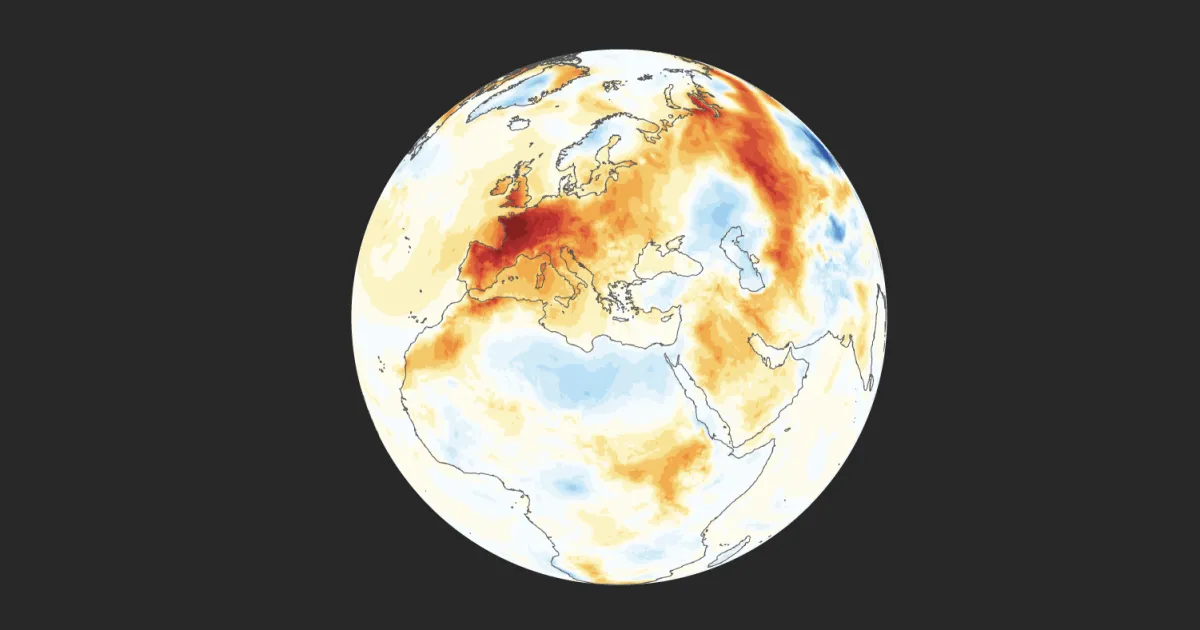
Al JazeeraFIG 01
Reading time
2min
Word count
301words
Sources cited
2cited
Entities identified
12entities
Quality score
100%
§ 01
Briefing Summary
AI-generatedNEWSAR · AI
Europe is experiencing a severe heatwave with temperatures exceeding 40°C (104°F) in cities like Paris, levels typically seen in the Middle East. This extreme heat has prompted high-level red alerts in parts of the UK, France, Spain, and Italy, leading to warnings about health risks, wildfires, and travel disruptions. Emergency measures have been implemented, including localized alcohol bans in France and the cancellation of events like a World Cup fan zone screening in Madrid. The heatwave is attributed to a persistent high-pressure system, or "heat dome," trapping hot air over Western Europe, exacerbated by warm air from North Africa and unusually warm sea temperatures. Scientists link this early-season event to the broader trend of climate change, which is causing Europe to warm at a faster rate than the global average, making heatwaves more frequent and intense.
Confidence 0.90Sources 2Claims 5Entities 12
§ 02
Article analysis
Model · rule-basedFraming
Public Health
Environmental
Tone
Measured
AI-assessed
CalmNeutralAlarmist
Factuality
0.80 / 1.00
Factual
LowHigh
Sources cited
2
Limited
FewMany
§ 03
Key claims
5 extracted01
Unusually warm seas around the UK, Ireland, France and the western Mediterranean have also helped keep coastal areas hot, especially at night.
factual
Confidence
1.00
02
Europe is the world’s fastest-warming continent, with temperatures rising by approximately 0.56C per decade since the mid-1990s.
statisticScientists
Confidence
1.00
03
A persistent area of high pressure, known as a heat dome, has trapped hot air over Western Europe, bringing clear skies, weak winds and prolonged sunshine.
factual
Confidence
1.00
04
Paris and other European cities are experiencing temperatures above 40C (104F), reaching levels normally seen across the Middle East.
factual
Confidence
1.00
05
Climate change is making heatwaves more frequent, more intense and likely to occur earlier and later in the year.
predictionScientists
Confidence
0.90
§ 04
Full report
2 min read · 301 words§ 05
Entities
12 identifiedKey playerOppositionContextPositiveNeutralNegative
Locations12
§ 06
Keywords & salience
6 termsheatwave
0.90
climate change
0.80
europe heat
0.70
heat dome
0.60
europe warming trend
0.50
temperature record
0.50
§ 07
Topic connections
Interactive graph No topic relationship data available yet. This graph will appear once topic relationships have been computed.