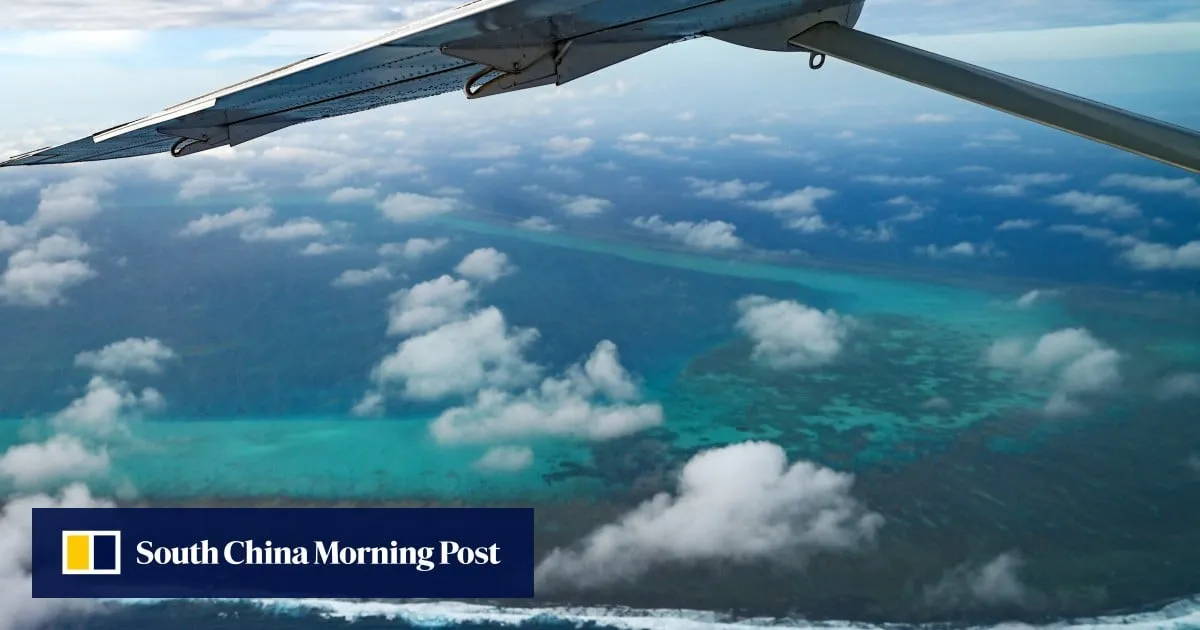
US “freedom of navigation” operations in the South China Sea declined last year, as it relied more on the Philippines and uncrewed drones for reconnaissance flights over the contested waters, a Beijing-based think tank found.The think tank said that as large American vessels such as aircraft carriers and amphibious groups faced growing maintenance and deployment constraints such as the Middle East conflict, Washington had changed the nature of its presence in the Asia-Pacific region.Yet, the region remained a priority, the Beijing-based South China Sea Strategic Situation Probing Initiative said in a report released on Thursday.
SRCSouth China Morning Post
LANGEN
LEANCenter-Right
WORDS95
ENT8
THU · 2026-06-25 · 15:00 GMTBRIEF NSR-2026-0625-87380
NSR-2026-0625-87380News Report·EN·Political Strategy
US shifts South China Sea reconnaissance towards drones and Philippines: think tank
A Beijing-based think tank reported that US "freedom of navigation" operations in the South China Sea decreased last year. The US has shifted its reconnaissance efforts in the contested waters towards utilizing uncrewed drones and increasing reliance on the Philippines.
Albee ZhangSouth China Morning PostFiled 2026-06-25 · 15:00 GMTLean · Center-RightRead · 1 min
South China Morning PostFIG 01
Reading time
1min
Word count
95words
Sources cited
1cited
Entities identified
8entities
Quality score
100%
§ 01
Briefing Summary
AI-generatedNEWSAR · AI
A Beijing-based think tank reported that US "freedom of navigation" operations in the South China Sea decreased last year. The US has shifted its reconnaissance efforts in the contested waters towards utilizing uncrewed drones and increasing reliance on the Philippines. According to the South China Sea Strategic Situation Probing Initiative, this change in approach is attributed to maintenance and deployment constraints affecting large American vessels, such as aircraft carriers and amphibious groups, exacerbated by the conflict in the Middle East. Despite these adjustments, the think tank stated that the Asia-Pacific region remains a priority for the US.
Confidence 0.85Sources 1Claims 5Entities 8
§ 02
Article analysis
Model · rule-basedFraming
Political Strategy
Conflict
Tone
Measured
AI-assessed
CalmNeutralAlarmist
Factuality
0.70 / 1.00
Factual
LowHigh
Sources cited
1
Limited
FewMany
§ 03
Key claims
5 extracted01
The Asia-Pacific region remains a priority for the US.
quoteBeijing-based South China Sea Strategic Situation Probing Initiative
Confidence
0.90
02
The US relied more on the Philippines and uncrewed drones for reconnaissance flights in the South China Sea last year.
factualBeijing-based think tank
Confidence
0.90
03
US freedom of navigation operations in the South China Sea declined last year.
statisticBeijing-based think tank
Confidence
0.90
04
Large American vessels like aircraft carriers faced growing maintenance and deployment constraints.
factualBeijing-based think tank
Confidence
0.80
05
The Middle East conflict is a constraint on US vessel deployment.
factualBeijing-based think tank
Confidence
0.70
§ 04
Full report
1 min read · 95 words§ 05
Entities
8 identifiedKey playerOppositionContextPositiveNeutralNegative
Locations5
Topics1
§ 06
Keywords & salience
8 termssouth china sea
1.00
us reconnaissance
0.90
drones
0.80
philippines
0.70
freedom of navigation
0.60
asia-pacific region
0.50
middle east conflict
0.40
aircraft carriers
0.40
§ 07
Topic connections
Interactive graph Network visualization showing 51 related topics
View Full Graph Person Organization Location Event|Click node to navigate|Edge numbers = shared articles