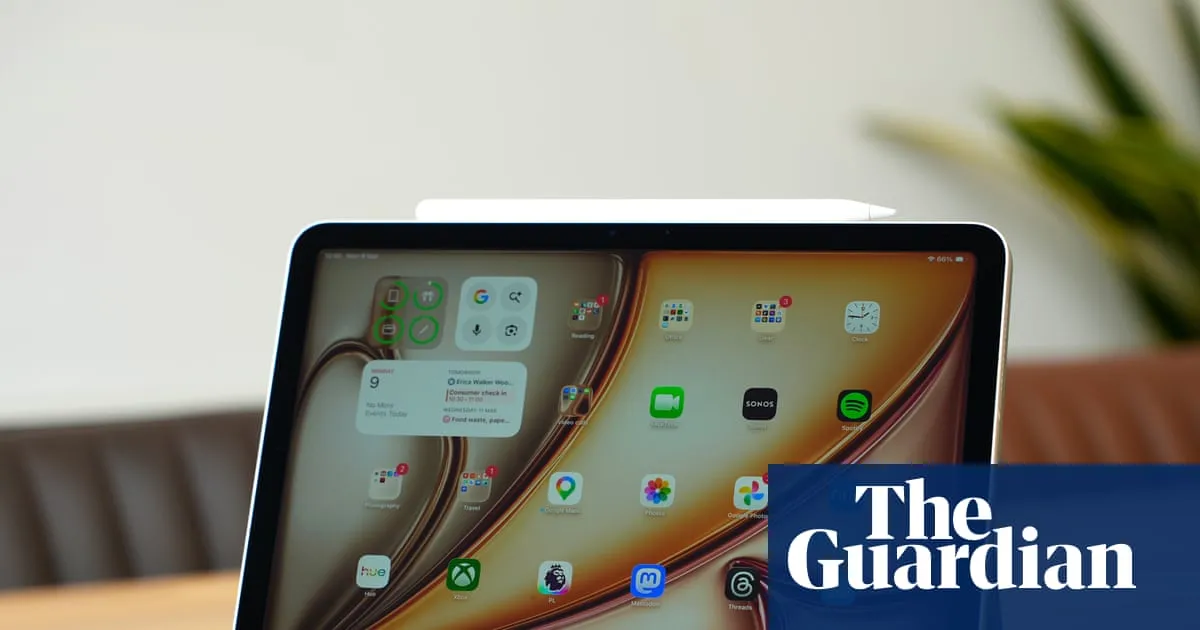
The iPad starts at $749, from $599, while the mini model starts at $949, from $799 as Apple increases prices amid an AI-driven tech crunch. Photograph: Samuel Gibbs/The Guardian View image in fullscreen The iPad starts at $749, from $599, while the mini model starts at $949, from $799 as Apple increases prices amid an AI-driven tech crunch. Photograph: Samuel Gibbs/The Guardian Australians to pay at least 20% more for iPads and Macbooks after Apple hikes prices citing AI Apple MacBook 13-inch prices jumps from $1,799 to $2,099 while the cost of iPads surges by 25% Follow our Australia news live blog for latest updates Get our breaking news email, free app or daily news podcast Australians woke up on Friday to more expensive Macbooks and iPads after Apple hiked prices worldwide, blaming an AI-driven cost-crunch for computer parts. The iPhone range was unaffected but experts predict Apple will raise prices for its flagship product later this year. Microsoft also lifted its Xbox prices overnight amid a wave of increases for phones and devices. Apple’s MacBook Air with a 13-inch display now starts at $2,099, up from $1,799, on the Australian website, while the MacBook Pro 14-inch starts at $3,199 on Apple’s site. Both were available for the cheaper price from other retailers as of Friday afternoon however. There are no longer MacBooks available from Apple for less than $1,000. The smaller MacBook Neo, which arrived in Australia in March at $899, now starts at $1,049 from Apple. The company said at the time the Neo was its “most affordable laptop ever”. The iPad starts at $749, from $599, while the mini model starts at $949, from $799, the Air at $1,249, from $999, and the pro starts at $1,999, from $1,699. The iMac desktop now starts at $2,399 and the Mac Studio at $4,299. Australia retailers have yet to pass on the price increase. Officeworks’ prices were unchanged on Friday morning. “We regularly review our pricing to ensure we continue delivering great value, and we’re currently working through Apple’s recent pricing changes,” an Officeworks spokesperson said. JB Hi-Fi promoted Apple deals at the top of its website on Friday, with sales on the MacBook Air 13-inch at $1,597, MacBook Pro 14-inch at $2,797 and the iPad at $495. The tech retailer has warned the rising demand for computers chips as the world rapidly increases computing power and AI usage has pushed up device costs. Its chief executive, Nick Wells, told analysts in February the cost-crunch was resulting in 20% price rises for PCs and phones were vulnerable to the same price hikes. The iPhone 17 Pro still starts at $1,999 and the Pro Max at $2,199 on Apple’s website. In February, Wells said iPhones could be hit from September, when the iPhone 18 models will be released. Apple said it has been absorbing rising computer part costs but had now reached a point where it had to raise prices. Its share price fell 6.15% on Thursday, US time, wiping US$250bn from its market value to close at US$4tn. “We have never seen a component price increase this much, this quickly,” Apple said in a statement. Microsoft on Thursday US time also announced it would lift Xbox console prices by US$100 (A$145) for 512GB models and US$150 (A$218) for 1TB models and cease selling the 2TB model. In a statement, the company said storage and memory prices had nearly tripled and were set to double again by late 2027. “We hoped another price increase would not be necessary, and we have spent the last several months working with suppliers on options,” Microsoft said. Datacentres use up significant quantities of memory chips and booming development has led to a shortage dubbed the “RAMageddon”. An International Data Corporation analyst, Soo Kyoum Kim, warned in a note on Monday the shortage was permanently rewriting the economics of consumer device production. “The real question is whether the product economics of affordable devices can be rebuilt around structurally higher memory costs, or whether product mix and [prices] shift permanently upward,” Kim said. Explore more on these topics Apple news Share Reuse this content
SRCThe Guardian - World News
LANGEN
LEANCenter-Left
WORDS688
ENT11
FRI · 2026-06-26 · 05:00 GMTBRIEF NSR-2026-0626-87536
NSR-2026-0626-87536News Report·EN·Economic Impact
Australians to pay at least 20% more for iPads and Macbooks after Apple hikes prices citing AI
Apple has increased prices for Macbooks and iPads in Australia, with the 13-inch Macbook Air now starting at $2,099, a significant jump from its previous $1,799 price. iPads have also seen a 25% surge, with the base model now costing $749, up from $599.
Luca IttimaniThe Guardian - World NewsFiled 2026-06-26 · 05:00 GMTLean · Center-LeftRead · 3 min
The Guardian - World NewsFIG 01
Reading time
3min
Word count
688words
Sources cited
2cited
Entities identified
11entities
Quality score
100%
§ 01
Briefing Summary
AI-generatedNEWSAR · AI
Apple has increased prices for Macbooks and iPads in Australia, with the 13-inch Macbook Air now starting at $2,099, a significant jump from its previous $1,799 price. iPads have also seen a 25% surge, with the base model now costing $749, up from $599. Apple attributes these price hikes to an "AI-driven cost-crunch" for computer parts, stating they have been absorbing rising costs but have now reached a point where increases are necessary. While iPhones were unaffected, experts anticipate potential future price rises for the flagship product. Microsoft has also raised Xbox prices due to tripling storage and memory costs, a shortage dubbed "RAMageddon" driven by demand from datacenters and AI development. Australian retailers have not yet passed on all Apple's price increases.
Confidence 0.90Sources 2Claims 5Entities 11
§ 02
Article analysis
Model · rule-basedFraming
Economic Impact
Technology
Tone
Mixed Tone
AI-assessed
CalmNeutralAlarmist
Factuality
0.70 / 1.00
Factual
LowHigh
Sources cited
2
Limited
FewMany
§ 03
Key claims
5 extracted01
Apple's MacBook Air 13-inch now starts at $2,099, up from $1,799.
statistic
Confidence
1.00
02
The iPad starts at $749, up from $599, and the mini model starts at $949, up from $799.
statistic
Confidence
1.00
03
Apple is blaming an AI-driven cost-crunch for computer parts for the price increases.
quoteApple
Confidence
0.90
04
Australians will pay at least 20% more for iPads and Macbooks after Apple hikes prices.
statistic
Confidence
0.90
05
Experts predict Apple will raise prices for its flagship iPhone product later this year.
predictionexperts
Confidence
0.70
§ 04
Full report
3 min read · 688 words§ 05
Entities
11 identifiedKey playerOppositionContextPositiveNeutralNegative
People1
Organizations8
Locations1
§ 06
Keywords & salience
10 termsapple price increase
1.00
ipads and macbooks
0.90
ai-driven cost-crunch
0.90
consumer electronics
0.70
tech industry
0.60
apple
0.50
computer parts
0.50
microsoft
0.40
xbox prices
0.40
australia
0.40
§ 07
Topic connections
Interactive graph Network visualization showing 51 related topics
View Full Graph Person Organization Location Event|Click node to navigate|Edge numbers = shared articles