A groundbreaking California law that compels packaging producers to phase out single-use plastics is already sparking anger from the chemicals industry and environmental groups just weeks after going into effect.The law, which was signed by Governor Gavin Newsom in 2022 but only took hold in May, requires plastic and packaging companies to use less single-use plastic, and ensure by 2032 that all packaging is either recyclable or compostable. The big idea is to incentivize producers of plastics to consider the end of their products’ life in order to create better, more sustainable bottles, containers and wrappings.Under the new rules, plastic producers have to cut single use plastic, increase recycling rates, and pay $5bn to remedy harms from plastic pollution.The science of plastic recycling is not encouraging: only 5-6% of plastic is ever recycled. And despite progress in recent years with local bans on plastic bags and packaging, and producers touting new technologies, experts say that rate is unlikely to change because the low cost of creating new plastic – and the markets for selling recycled plastic have dropped when China and other countries drastically reduced the amount of plastic they would purchase from the US.But industry groups say the law puts an undue burden and financial cost on manufacturers in other states who will still have to comply in order to do business in California. And on Monday, a coalition of 17 states sued in an effort to block the law.One issue, they say, is that California’s law requires businesses to register and pay fees to a private state-appointed entity called Circular Action Alliance. “No state should limit interstate commerce, let alone delegate the power to set and collect taxes to a third party outside of the scope of public scrutiny,” said Eric Hoplin, president and CEO of the national association of wholesalers, which joined the lawsuit, said in a statement this week.Heidi Sanborn, executive director of the National Stewardship Action Council, who negotiated part of the bill, says the question is not whether there is a cost in dealing with plastics at the end of their lifespan. “The question is who pays for it and whether the system is designed to deliver the greatest environmental benefit in the most cost-effective way possible,” she says.She says that currently, the cost of managing packaging waste falls largely on local governments, taxpayers, ratepayers, and small businesses, while the new law shares that responsibility with the companies that design, market, and profit from packaging.“When done correctly, this creates incentives for smarter packaging design, reduces waste management costs borne by communities, and supports investment in responsible end markets that keep valuable materials in circulation and out of the environment,” Sanborn says. “The real discussion should be how to implement the law efficiently and fairly so it delivers environmental benefits while minimizing costs for California families and businesses.”Originally there was a push to put an initiative on the ballot in California to ban polystyrene, also known as styrofoam. But at the last minute, the American Chemistry Council (trade group for fossil fuel and chemical companies) intervened, and negotiated with state senator Ben Allen, alongside both companies and environmental groups for a compromise bill. Since industry groups were part of the law’s creation, it’s ironic that they are now suing, says Judith Enck, a former EPA administrator who leads Beyond Plastics, an environmental advocacy group. “The industry negotiated this bill, and yet they’re trying to undercut it with this lawsuit,” she says. “There’s a big difference between filing a lawsuit and winning a lawsuit, and I would be surprised if they prevailed.”Avinash Kar, senior director, toxics, environmental health with the Natural Resources Defense Council (NRDC), agrees that the likelihood of the lawsuit prevailing is low. The argument that the law puts an undue burden and financial cost on manufacturers in other states who will still have to comply in order to do business in California hasn’t held up in other contexts.“This is part of the industry’s sort of pattern of delay, delay, delay,” says Kar. He adds that the chemical industry has challenged restrictions on other products, including PFAS in products in Minnesota on Commerce Clause grounds, and those efforts were rejected. “I’m not sure why this would be different.”Meanwhile, a coalition of environmental groups, including the NRDC, is also challenging the law – but for different reasons. They say the state’s rules break the law by allowing recycling methods that create toxic waste, and by letting some plastics slip through the rules entirely by changing the definition of recycling.“We need to make sure the recycling that happens under it is real and not imaginary and not greenwashing, and we need to make sure that all plastic products that were intended to be covered by the law are covered – and those are the loopholes that were created by the regulations that were finalized, and that’s why we’re suing now,” says Kar.“California law has got real targets, can make real improvements, and has real potential. And that is being undermined by the way CalRecycle finalized its regulations, and that’s why we’re going to court.”Laws that create extended producer responsibility are working in Europe, Canada, Asia, South America, Africa, and around the world, says Scott Cassel, founder of the Product Stewardship Institute, a nonprofit based in Boston that powers the circular economy. “These laws provide a network of accountability that shares responsibility among governments, producers, others in the supply chain, and recyclers,” he says. “Filing lawsuits is not the answer. It is a waste of everyone’s time and money.”Kar says that the response to the law shows one thing clearly: people are energized about plastics. “People are concerned about microplastics – it’s been found in all of us and is being associated with health impacts,” he says. “Plastics are clogging their environment, and they don’t go away.”
SRCThe Guardian - World News
LANGEN
LEANCenter-Left
WORDS970
ENT12
FRI · 2026-06-26 · 11:00 GMTBRIEF NSR-2026-0626-87647
NSR-2026-0626-87647News Report·EN·Environmental
California’s landmark anti-plastics law sparks anger as 17 states moves to sue
California's new law, effective May, requires packaging producers to reduce single-use plastics and ensure all packaging is recyclable or compostable by 2032. The law also mandates plastic producers to cut plastic use, increase recycling rates, and pay $5 billion for plastic pollution remediation.
Katharine Gammon in Los AngelesThe Guardian - World NewsFiled 2026-06-26 · 11:00 GMTLean · Center-LeftRead · 4 min
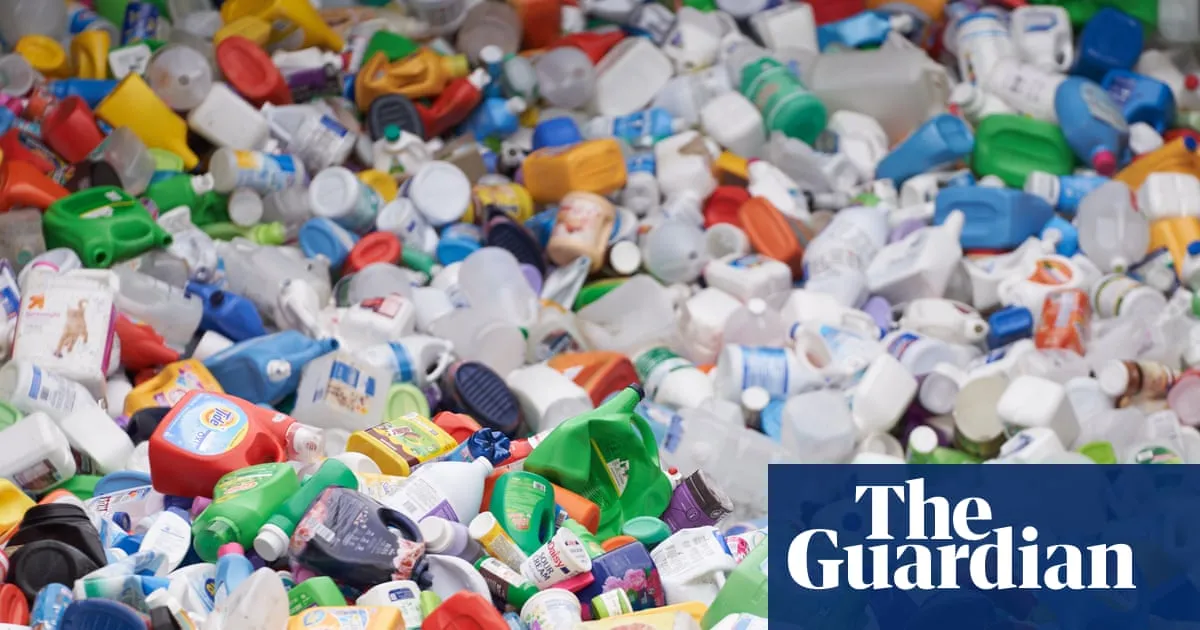
The Guardian - World NewsFIG 01
Reading time
4min
Word count
970words
Sources cited
3cited
Entities identified
12entities
Quality score
100%
§ 01
Briefing Summary
AI-generatedNEWSAR · AI
California's new law, effective May, requires packaging producers to reduce single-use plastics and ensure all packaging is recyclable or compostable by 2032. The law also mandates plastic producers to cut plastic use, increase recycling rates, and pay $5 billion for plastic pollution remediation. This legislation, negotiated with industry groups, is now facing a lawsuit from 17 states who argue it imposes undue financial burdens and improperly delegates taxing authority to a third party. Meanwhile, some environmental groups are also challenging the law, claiming it permits toxic recycling methods and allows certain plastics to evade regulations.
Confidence 0.90Sources 3Claims 5Entities 12
§ 02
Article analysis
Model · rule-basedFraming
Environmental
Economic Impact
Tone
Mixed Tone
AI-assessed
CalmNeutralAlarmist
Factuality
0.70 / 1.00
Factual
LowHigh
Sources cited
3
Well sourced
FewMany
§ 03
Key claims
5 extracted01
The new law shifts the cost of managing packaging waste from local governments and taxpayers to companies that design and profit from packaging.
quoteHeidi Sanborn
Confidence
1.00
02
Industry groups argue the law places an undue burden and financial cost on manufacturers in other states.
quoteindustry groups
Confidence
1.00
03
17 states are suing California to block the anti-plastics law, citing concerns over interstate commerce and delegation of taxing power.
factual
Confidence
1.00
04
California's new law requires packaging producers to phase out single-use plastics and ensure all packaging is recyclable or compostable by 2032.
factual
Confidence
1.00
05
Only 5-6% of plastic is ever recycled, a rate experts believe is unlikely to change due to the low cost of new plastic and reduced demand for recycled plastic.
statistic
Confidence
0.90
§ 04
Full report
4 min read · 970 words§ 05
Entities
12 identifiedKey playerOppositionContextPositiveNeutralNegative
People3
Organizations2
§ 06
Keywords & salience
10 termsanti-plastics law
1.00
single-use plastics
0.90
plastic pollution
0.80
packaging producers
0.70
recyclable or compostable
0.60
lawsuit
0.50
interstate commerce
0.50
circular action alliance
0.40
california
0.40
environmental benefit
0.40
§ 07
Topic connections
Interactive graph Network visualization showing 51 related topics
View Full Graph Person Organization Location Event|Click node to navigate|Edge numbers = shared articles