The veil of secrecy that surrounds the royal finances was nudged aside a little on Thursday to allow the release of a new piece of information. We learned for the first time how much the king’s annual tax bill comes to.This was not a full tax return. It was a two-sentence declaration, stating his tax payable amounted to £12.9m in 2024-25, and a slightly smaller sum the year before. His total tax payable since accession comes to £30m.It has been a long time coming. Unlike other citizens, the monarch is not liable for tax, but the king and his mother before him started paying it voluntarily in 1993.The declaration was short on detail. We don’t know what his total income was for those years. We don’t know the total value of his private fortune. And we have no idea how much his tax bill was reduced by for expenses such as those incurred performing royal duties.The small nugget of new information has brought to light one startling fact though. The king’s tax bill is low, even when compared with those who have smaller fortunes.Thanks to painstaking investigations by the Guardian, in its 2023 cost of the crown series, the king’s private wealth, known as the privy purse, is estimated to be at least £1.8bn. This includes the Duchy of Lancaster estate – a £690m land and property portfolio handed from one monarch to the next and which provides him with income of £25m a year; and an even larger pile of other assets, such as cars, jewels, art and the private residences of Balmoral and Sandringham. We have very little idea how much the king holds in financial investments, or what the revenues from these are.The tax the king pays covers all of the privy purse, all £1.8bn or more of assets.Because we don’t know the total income, we are not able to check what the king’s effective tax rate is, but comparisons with other taxpayers raise questions.A scan of this year’s Sunday Times tax list shows that the hedge fund boss Suneil Setiya, also estimated to be worth £1.8bn, paid £114m in annual tax. This is 10 times the sum the king paid in 2023-24.The musician Ed Sheeran, whose fortune at £410m is a fraction of the king’s, paid £20m to HMRC. The author JK Rowling, worth an estimated £975m, was billed £47m on her earnings and gains.Even the Manchester City footballer Erling Haaland, who is Norwegian, pays more than the king – his most recent tax bill was £17m.Without more information about the size and shape of the privy purse, it is impossible to say why the king’s bill is so low.What we do know is that the Duchy of Lancaster is not liable for the kinds of taxes that might be paid by a company or a trust. The capital gains made by buying and selling property, and the rents received from tenants, can all accumulate and be reinvested tax free, allowing the king’s wealth to grow more quickly than that of his subjects.The privy purse could be described as operating like a mini-tax haven. The assets held by the duchy are untaxed, while the king’s other holdings are undeclared. The palace says the king voluntarily pays capital gains on his privately held wealth, and that the accounts are externally audited each year. They say this part of his personal holdings remains private, as for any other citizen. But no other citizen has such discretion over the tax they choose to pay.The palace was approached for comment.
SRCThe Guardian - World News
LANGEN
LEANCenter-Left
WORDS590
ENT12
FRI · 2026-06-26 · 17:23 GMTBRIEF NSR-2026-0626-87727
NSR-2026-0626-87727Analysis·EN·Economic Impact
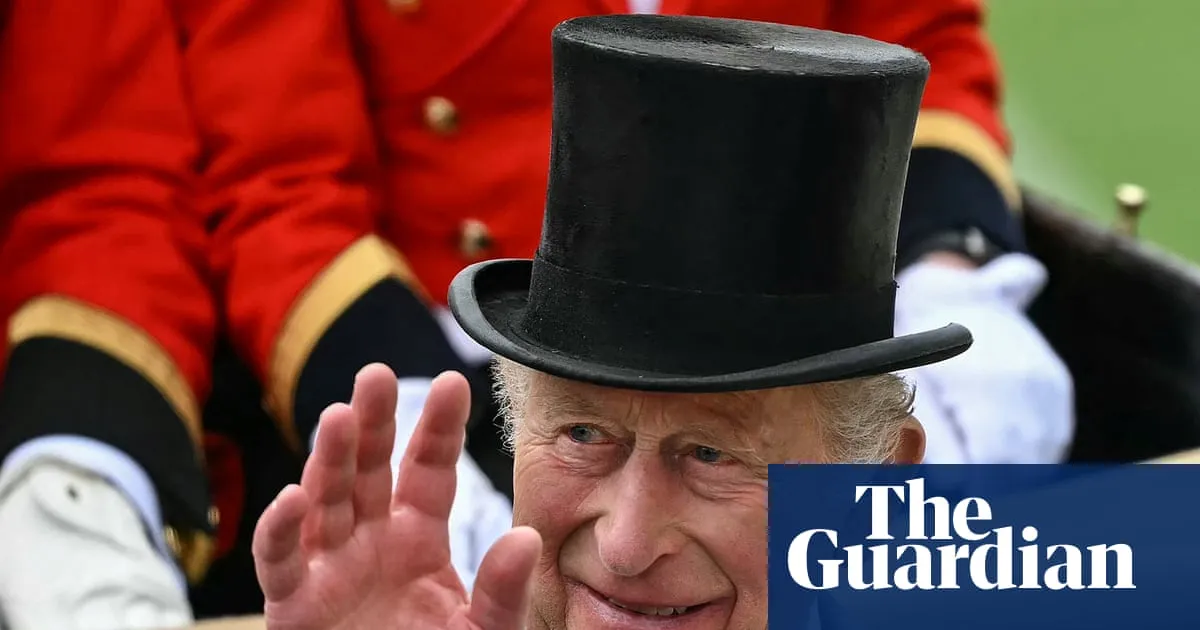
Now we know how much tax King Charles pays, and it is very little
King Charles III's annual tax bill has been revealed for the first time, amounting to £12.9 million for 2024-25 and a slightly smaller sum the previous year, totaling £30 million since his accession. While the monarch voluntarily pays tax on his private wealth, known as the privy purse, the exact income and total value of his fortune remain undisclosed.
Juliette GarsideThe Guardian - World NewsFiled 2026-06-26 · 17:23 GMTLean · Center-LeftRead · 3 min
The Guardian - World NewsFIG 01
Reading time
3min
Word count
590words
Sources cited
3cited
Entities identified
12entities
Quality score
100%
§ 01
Briefing Summary
AI-generatedNEWSAR · AI
King Charles III's annual tax bill has been revealed for the first time, amounting to £12.9 million for 2024-25 and a slightly smaller sum the previous year, totaling £30 million since his accession. While the monarch voluntarily pays tax on his private wealth, known as the privy purse, the exact income and total value of his fortune remain undisclosed. This limited information reveals his tax bill is significantly lower than individuals with comparable wealth, such as hedge fund manager Suneil Setiya, who paid ten times more. The Duchy of Lancaster, a significant part of the king's assets, appears to operate with tax advantages, accumulating wealth tax-free. The article highlights a lack of transparency regarding the king's total income and how expenses related to royal duties might reduce his tax liability.
Confidence 0.90Sources 3Claims 5Entities 12
§ 02
Article analysis
Model · rule-basedFraming
Economic Impact
Human Interest
Tone
Sensational
AI-assessed
CalmNeutralAlarmist
Factuality
0.60 / 1.00
Mixed
LowHigh
Sources cited
3
Well sourced
FewMany
§ 03
Key claims
5 extracted01
The king's total tax payable since accession comes to £30m.
statisticarticle
Confidence
1.00
02
King Charles's tax payable amounted to £12.9m in 2024-25 and a slightly smaller sum the year before.
statisticarticle
Confidence
1.00
03
Hedge fund boss Suneil Setiya, worth £1.8bn, paid £114m in annual tax, 10 times the sum the king paid.
statisticSunday Times Tax List
Confidence
0.90
04
The king's private wealth is estimated to be at least £1.8bn.
statisticThe Guardian
Confidence
0.90
05
The Duchy of Lancaster's assets are untaxed, and capital gains can be reinvested tax-free.
factualarticle
Confidence
0.80
§ 04
Full report
3 min read · 590 words§ 05
Entities
12 identifiedKey playerOppositionContextPositiveNeutralNegative
People5
Organizations4
Locations1
§ 06
Keywords & salience
10 termsking charles
1.00
tax bill
1.00
royal finances
1.00
private wealth
0.90
tax payable
0.80
duchy of lancaster
0.70
tax rate
0.60
public disclosure
0.50
voluntary tax
0.50
sunday times tax list
0.40
§ 07
Topic connections
Interactive graph Network visualization showing 51 related topics
View Full Graph Person Organization Location Event|Click node to navigate|Edge numbers = shared articles