Two hikers who veered off a walking track in Kosciuszko National Park have been found within five hours using a drone powered by Artificial Intelligence, a first-of-its-kind mission, Fire and Rescue NSW (FRNSW) has said.The two men, aged in their 20s, were reported missing at 7pm on Tuesday evening after they failed to return to a rendezvous point on time.FRNSW’s remote air piloted system was put into the air, and was able to use thermal imaging to find the hikers who had been walking the Dead Horse Gap track, about 35km south-west of Jindabyne.At the same time, the hikers used a red light on a mobile phone to attract the drone in the dark.The drone’s built-in speaker was able to contact the hikers, and the drone’s spotlight was used to direct rescuers on the ground to the hikers, in order to guide them out of the park. The pair was found about half a kilometre off the track.A screengrab from video of the search and rescue operation in Kosciuszko National Park. Composite: Fire and Rescue NSWIn cold conditions, the men were rescued less than five hours after being reported missing. They were suffering mild effects of exposure but told rescuers they did not need medical treatment.The incident was the first time the FRNSW drone’s AI detection system had been used to rescue missing people.The Fire and Rescue inspector and regional duty commander for the NSW Alpine area, Phillip Eberle, told the ABC the technology potentially reduced the search time by several days.“It’s definitely helped make what could have been a long-term incident into a very short-term incident,” Eberle said.“There’s every chance in the world we could have still been out there.”Eberle said the drone technology meant swifter rescues for those stranded, but also fewer risks for rescuers.skip past newsletter promotionafter newsletter promotion“It means less time on the mountain and less time looking for people, and reduced risk so that the volunteers can get home to their families quicker.”He said he hoped in the future, the remote technology would progress so that drones could drop off emergency supplies and care packages to stranded people while they waited for rescuers.“We can save putting rescuers at risk overnight and drop a rescue pack to people so they’re OK overnight, and be there first thing in the morning when it’s safer for everyone,” he told the ABC.The Fire and Rescue commander John Marzol said: “We would urge hikers in the snowfields to notify the National Parks and Wildlife Service (NPWS) before their treks and register for free use of Personal Locator Beacons to ensure they don’t get lost in the bush.”
SRCThe Guardian - World News
LANGEN
LEANCenter-Left
WORDS437
ENT8
SAT · 2026-06-27 · 03:05 GMTBRIEF NSR-2026-0627-87819
NSR-2026-0627-87819News Report·EN·Technology
Hikers lost in Kosciuszko national park rescued within five hours by AI drone
Fire and Rescue NSW (FRNSW) successfully rescued two hikers in Kosciuszko National Park within five hours using an AI-powered drone. The men, in their 20s, had veered off the Dead Horse Gap track and were reported missing on Tuesday evening.
Guardian staffThe Guardian - World NewsFiled 2026-06-27 · 03:05 GMTLean · Center-LeftRead · 2 min
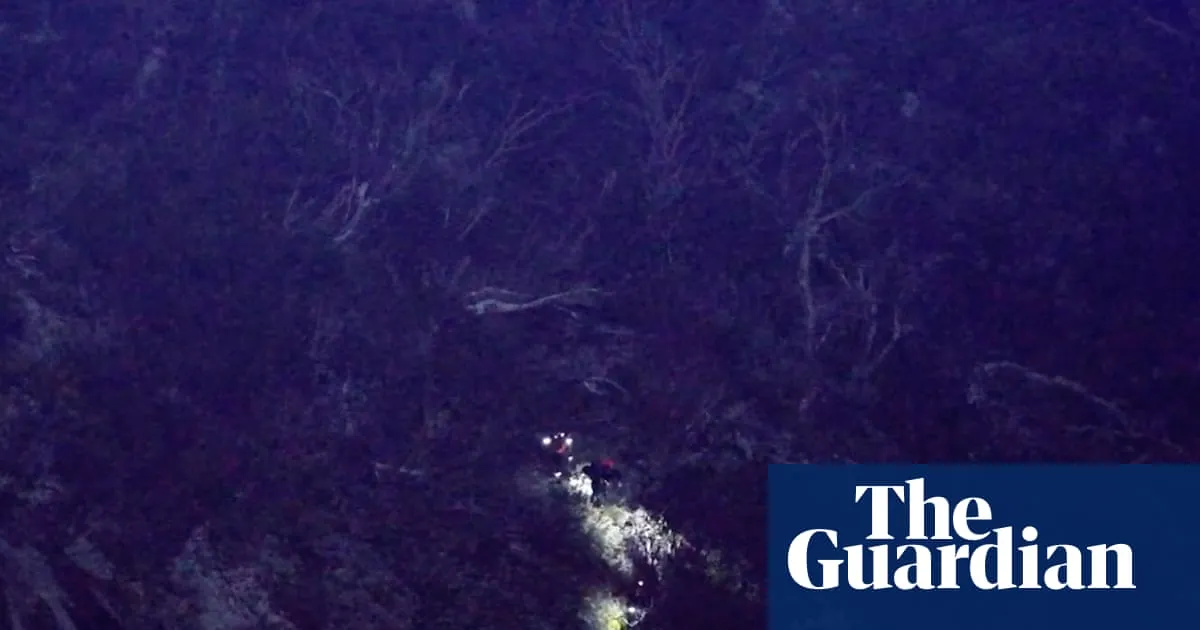
The Guardian - World NewsFIG 01
Reading time
2min
Word count
437words
Sources cited
2cited
Entities identified
8entities
Quality score
100%
§ 01
Briefing Summary
AI-generatedNEWSAR · AI
Fire and Rescue NSW (FRNSW) successfully rescued two hikers in Kosciuszko National Park within five hours using an AI-powered drone. The men, in their 20s, had veered off the Dead Horse Gap track and were reported missing on Tuesday evening. The drone utilized thermal imaging to locate them, while the hikers used a mobile phone's red light to attract the drone in the dark. FRNSW's drone, equipped with a speaker and spotlight, then guided ground rescuers to the pair, who were found about half a kilometer off the track and suffering mild exposure. This mission marked the first use of FRNSW's drone AI detection system for a missing person rescue, potentially reducing search times significantly and minimizing risks for rescuers.
Confidence 0.90Sources 2Claims 5Entities 8
§ 02
Article analysis
Model · rule-basedFraming
Technology
Human Interest
Tone
Measured
AI-assessed
CalmNeutralAlarmist
Factuality
0.90 / 1.00
Factual
LowHigh
Sources cited
2
Limited
FewMany
§ 03
Key claims
5 extracted01
The drone used thermal imaging, a red light from a mobile phone, and its own speaker and spotlight to locate and communicate with the hikers.
factual
Confidence
1.00
02
The AI drone technology potentially reduced search time by several days.
quotePhillip Eberle (Fire and Rescue inspector)
Confidence
1.00
03
This was the first time FRNSW's drone's AI detection system was used to rescue missing people.
factualFire and Rescue NSW (FRNSW)
Confidence
1.00
04
Two hikers lost in Kosciuszko National Park were rescued within five hours using an AI-powered drone.
factualFire and Rescue NSW (FRNSW)
Confidence
1.00
05
Future drone technology could allow for dropping emergency supplies to stranded people.
predictionPhillip Eberle (Fire and Rescue inspector)
Confidence
0.80
§ 04
Full report
2 min read · 437 words§ 05
Entities
8 identifiedKey playerOppositionContextPositiveNeutralNegative
Organizations3
§ 06
Keywords & salience
8 termsai drone rescue
1.00
kosciuszko national park
0.90
search and rescue
0.80
artificial intelligence
0.70
thermal imaging
0.60
hikers
0.50
fire and rescue nsw
0.40
exposure
0.40
§ 07
Topic connections
Interactive graph No topic relationship data available yet. This graph will appear once topic relationships have been computed.