Japan’s Tsushima Maru sinking: will recovery of artefacts end silence on WWII tragedy?
AI Summary
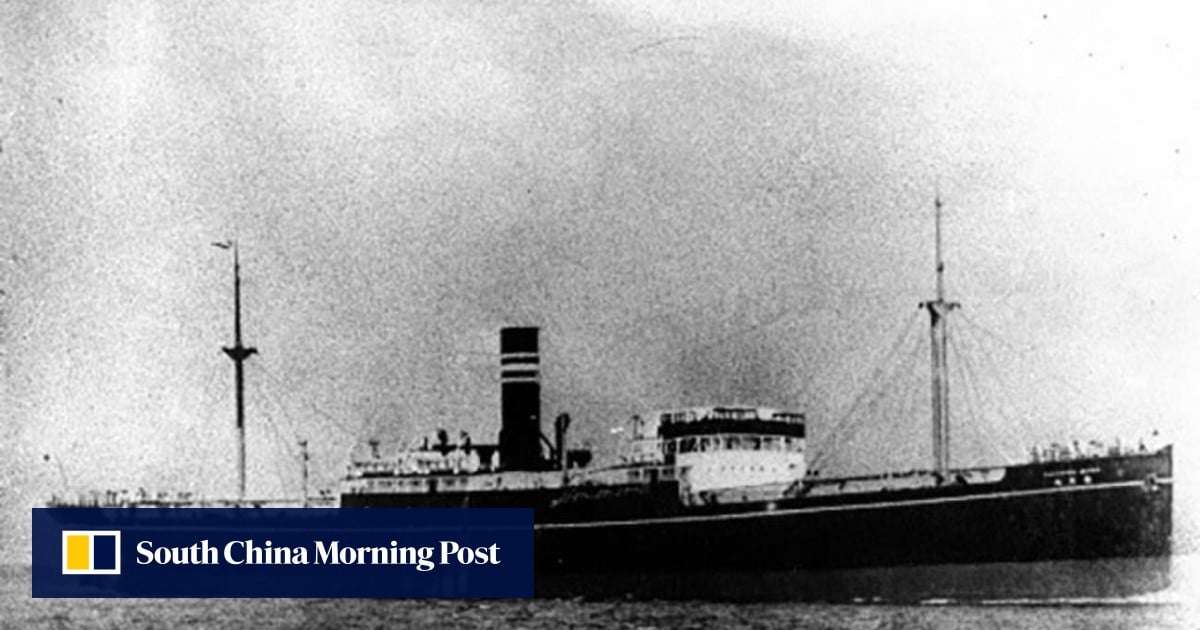
More than 80 years after the sinking of the Tsushima Maru during WWII, the Japanese government is considering recovering artifacts from the wreckage site off the coast of Okinawa. The Tsushima Maru was sunk by a U.S. submarine in 1944 while evacuating civilians, mainly children, from Okinawa to mainland Japan, resulting in over 1,484 deaths. The government's potential recovery effort follows a recent seabed survey and aims to consult with families of the victims before proceeding. Tsugiko Taira, director of the Tsushima Maru Memorial Museum and daughter of a survivor, believes that retrieving select items could serve as powerful reminders of the tragedy and promote peace, while also acknowledging concerns about the preservation of artifacts once removed from the sea. The debate centers on whether the site should remain an underwater grave or become a source of historical evidence.
Key Entities & Roles
Keywords
Sentiment Analysis
Source Transparency
This article was automatically classified using rule-based analysis.
Topic Connections
Explore how the topics in this article connect to other news stories
Find Similar Articles
AI-PoweredDiscover articles with similar content using semantic similarity analysis.