Keir Starmer was forced on the defensive in the Commons over his long-delayed defence investment plan announced this week, which critics argue leaves his successor as prime minister, expected to be Andy Burnham, with an extra £4.7bn to find in his first budget.Starmer defended his £298bn defence investment plan (Dip) at prime minister’s questions on Wednesday despite a growing backlash from insiders in Burnham’s team and from ministers and MPs resentful over cuts to key transport infrastructure projects to fund it.Overall, defence spending will rise from 2.6% of GDP in 2027 to 2.7%, or nearly £80bn, by 2030. Starmer said that would put the UK “on a trajectory” to hit 3% in the next parliament, although it remains well below a Nato target of 3.5% by 2035.Last year, under pressure from Donald Trump, Starmer and other Nato leaders committed to raising defence spending to 3.5% of GDP by 2035. According to a report from the Institute for Fiscal Studies, the Dip does not lay out a plan to get there.One Burnham ally likened the plan to an “unexploded bomb”. The Guardian understands the Makerfield MP was not told about the funding gap when he was briefed on the announcement.At what could be Starmer’s penultimate PMQs, Kemi Badenoch accused him of producing an insufficient plan. “It is not right, and it is not fair, certainly not to our troops who put their lives on the line for all of us every single day,” she said.Calling on the Labour government to cut welfare spending to pay for defence, she said: “Even the limited plan that he has announced has completely unravelled because he hasn’t found the money to pay for it. It is £5bn short. We all know that he is leaving this mess to his successor.”She added: “The fact is, Labour’s plan is too weak, it is too little and it is too late. If his successor doesn’t want to be complicit in this failure, he should come out and condemn this plan.”Starmer accused the Conservative leader of “faux outrage” and the Tories of cutting defence and increasing welfare spending by £88bn while in power. He said his government had found £15bn more for defence outside a budget and outside a spending review.“They cut defence by 2.5% down to 2.3% in their 14 long years,” Starmer said. “And what [did they] do on welfare? They put the bill up by £88bn. So no lectures from them.”He added: “That’s about £1bn a year over four years. Because of the decisions at the last budget, we’ve got headroom of £22bn. That is precisely so we can take decisions like this.”Starmer dodged a question from Badenoch about whether Burnham had known of the £5bn black hole. “We’ve made record investment in defence and security,” he argued. “I’m proud of this Labour government and any Labour prime minister would stand behind this plan.”
SRCThe Guardian - World News
LANGEN
LEANCenter-Left
WORDS478
ENT12
WED · 2026-07-01 · 12:19 GMTBRIEF NSR-2026-0701-89020
NSR-2026-0701-89020News Report·EN·Political Strategy
Keir Starmer forced on back foot at PMQs over ‘weak’ defence plan
Keir Starmer faced criticism in Parliament over his recently announced £298bn defence investment plan. Critics argue the plan, which raises defence spending to 2.7% of GDP by 2030, leaves his successor, expected to be Andy Burnham, with a £4.7bn funding gap.
Alexandra Topping Political correspondentThe Guardian - World NewsFiled 2026-07-01 · 12:19 GMTLean · Center-LeftRead · 2 min
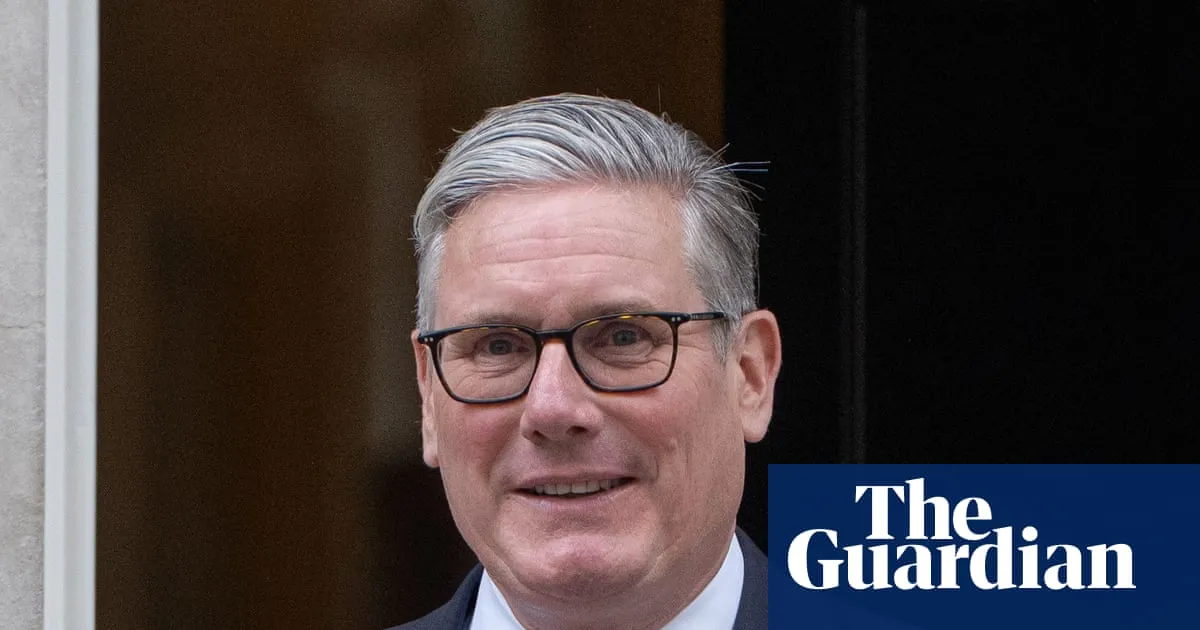
The Guardian - World NewsFIG 01
Reading time
2min
Word count
478words
Sources cited
3cited
Entities identified
12entities
Quality score
100%
§ 01
Briefing Summary
AI-generatedNEWSAR · AI
Keir Starmer faced criticism in Parliament over his recently announced £298bn defence investment plan. Critics argue the plan, which raises defence spending to 2.7% of GDP by 2030, leaves his successor, expected to be Andy Burnham, with a £4.7bn funding gap. This backlash stems from concerns about cuts to transport infrastructure to fund the plan and its failure to meet NATO targets. Kemi Badenoch accused Starmer of presenting an insufficient and unfunded plan, suggesting it is £5bn short. Starmer defended the plan, highlighting increased defence spending outside the budget and accusing the Conservatives of cutting defence while increasing welfare spending. He stated the plan was made possible by existing budgetary headroom.
Confidence 0.90Sources 3Claims 5Entities 12
§ 02
Article analysis
Model · rule-basedFraming
Political Strategy
Economic Impact
Tone
Mixed Tone
AI-assessed
CalmNeutralAlarmist
Factuality
0.60 / 1.00
Mixed
LowHigh
Sources cited
3
Well sourced
FewMany
§ 03
Key claims
5 extracted01
Starmer accused the Conservatives of cutting defence and increasing welfare spending by £88bn while in power.
quoteKeir Starmer
Confidence
0.90
02
Kemi Badenoch accused Starmer of producing an insufficient plan, stating it is £5bn short.
quoteKemi Badenoch
Confidence
0.90
03
The defence investment plan does not lay out a plan to reach the Nato target of 3.5% defence spending by 2035.
statisticInstitute for Fiscal Studies
Confidence
0.90
04
Overall, defence spending will rise from 2.6% of GDP in 2027 to 2.7% by 2030.
statisticarticle
Confidence
0.90
05
Keir Starmer's defence investment plan leaves his successor with an extra £4.7bn to find in their first budget.
statisticcritics
Confidence
0.80
§ 04
Full report
2 min read · 478 words§ 05
Entities
12 identifiedKey playerOppositionContextPositiveNeutralNegative
People4
Organizations3
Locations1
§ 06
Keywords & salience
10 termsdefence investment plan
1.00
keir starmer
0.90
pmqs
0.80
defence spending
0.70
andy burnham
0.70
funding gap
0.60
nato target
0.60
welfare spending
0.50
transport infrastructure
0.50
kemi badenoch
0.40
§ 07
Topic connections
Interactive graph Network visualization showing 51 related topics
View Full Graph Person Organization Location Event|Click node to navigate|Edge numbers = shared articles