"There is no doubt in my mind that people in Gaza are dying because they can't receive the care they need - and that there are preventable deaths happening because of the limits on what can be brought in, in terms of healthcare."Asked about the reports of critical shortages, Cogat said in a statement that 17,000 tons of medicines and medical aid had entered Gaza since the ceasefire, including wheelchairs, cancer medications, insulin pens, anaesthetics, X-ray machines, CT scanners, dialysis machines and medical consumables."Despite claims to the contrary," it said, "Israel has approved every request for medicines submitted by international aid organisations."In response, one humanitarian official involved, speaking to me anonymously, said that Israeli authorities often used anecdotal examples to mask shortages of key medicines and equipment, and that aid supplies continued to be restricted."You don't count medical aid in terms of trucks and pallets; that's not a denominator we use," said the WHO's Reinhilde Van de Weerdt. "We talk about the needs patients have, and the needs that are met.""If medical supply is unrestricted, you don't have these discussions about what is given versus what is needed," she said. "We need certain buffer stock levels of medical supplies, [and] you can't run a hospital hoping the generator doesn't break down."AFPSeveral departments at Nasser Medical Complex lost power after a generator stopped working last weekMazen al-Arayeshi, director of engineering and maintenance at Gaza's ministry of health, said Israel was now allowing enough fuel in to run the generators hospitals rely on for power, but that surgeries were still being cancelled because the power they supplied was too low, and that Israel had refused to allow them to swap in new generators for old.
SRCBBC News - World
LANGEN
LEANCenter
WORDS283
ENT10
THU · 2026-07-02 · 04:59 GMTBRIEF NSR-2026-0702-89263
NSR-2026-0702-89263News Report·EN·Public Health
'Two weeks after her death I got a call': Gaza patients face agonising delays for evacuation
Gaza's Hamas-run health ministry reports an estimated 300 Palestinians referred for treatment abroad have died since the ceasefire began, attributing these deaths to a lack of necessary medical care. Humanitarian officials state that despite Israel's claims of approving all medicine requests and allowing significant aid, key medicines and equipment remain restricted, leading to preventable deaths.
1 hour agoShareSaveAdd as preferred on GoogleLucy WilliamsonMiddle East correspondent, JerusalemBBC News - WorldFiled 2026-07-02 · 04:59 GMTLean · CenterRead · 2 min
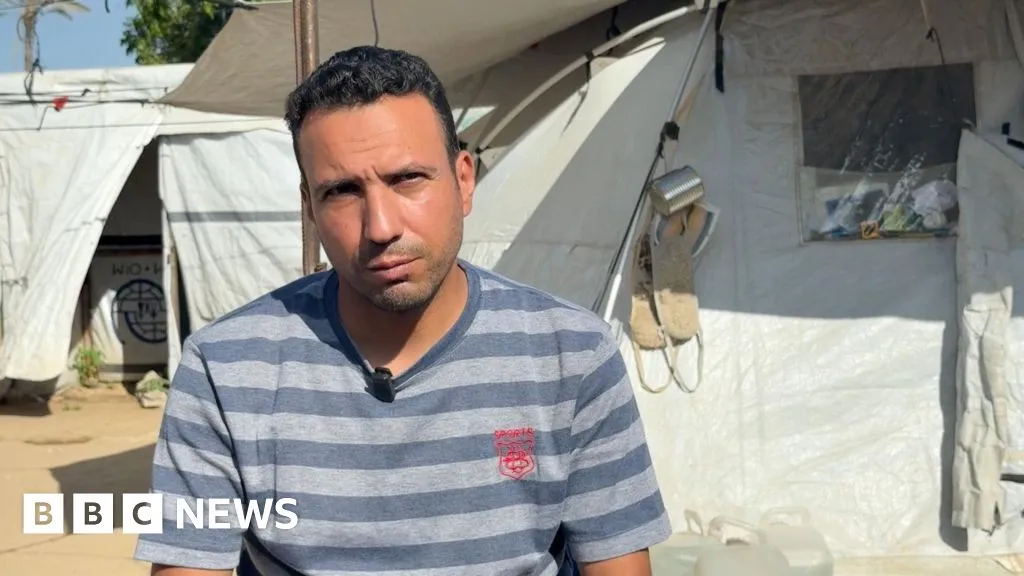
BBC News - WorldFIG 01
Reading time
2min
Word count
283words
Sources cited
3cited
Entities identified
10entities
Quality score
100%
§ 01
Briefing Summary
AI-generatedNEWSAR · AI
Gaza's Hamas-run health ministry reports an estimated 300 Palestinians referred for treatment abroad have died since the ceasefire began, attributing these deaths to a lack of necessary medical care. Humanitarian officials state that despite Israel's claims of approving all medicine requests and allowing significant aid, key medicines and equipment remain restricted, leading to preventable deaths. Israel's Coordination of Government Activities in the Territories (Cogat) asserts that 17,000 tons of medical aid have entered Gaza since the ceasefire, including essential items, and that every medicine request has been approved. However, humanitarian officials argue that the focus should be on patient needs rather than the quantity of aid. Furthermore, Gaza's ministry of health reports that while fuel for generators is permitted, the power supplied is insufficient for surgeries, and Israel has blocked the import of new generators.
Confidence 0.90Sources 3Claims 4Entities 10
§ 02
Article analysis
Model · rule-basedFraming
Public Health
Human Interest
Tone
Mixed Tone
AI-assessed
CalmNeutralAlarmist
Factuality
0.60 / 1.00
Mixed
LowHigh
Sources cited
3
Well sourced
FewMany
§ 03
Key claims
4 extracted01
People in Gaza are dying due to lack of necessary medical care and preventable deaths from restricted healthcare imports.
quoteUnnamed healthcare professional
Confidence
0.90
02
Humanitarian officials claim Israel uses anecdotal examples to hide shortages and continues to restrict aid supplies.
quoteUnnamed humanitarian official
Confidence
0.85
03
Hospitals in Gaza are facing power issues, with generators insufficient for surgeries and restrictions on replacing old equipment.
factualMazen al-Arayeshi
Confidence
0.80
04
Israel states 17,000 tons of medical aid, including advanced equipment, entered Gaza post-ceasefire and approved all medicine requests.
statisticCogat
Confidence
0.80
§ 04
Full report
2 min read · 283 words§ 05
Entities
10 identifiedKey playerOppositionContextPositiveNeutralNegative
Organizations4
Locations3
§ 06
Keywords & salience
10 termsgaza patients
1.00
medical aid
0.90
healthcare access
0.90
preventable deaths
0.80
medical supplies
0.80
hospital power
0.70
aid restrictions
0.60
evacuation delays
0.60
nasser medical complex
0.50
cogat
0.40
§ 07
Topic connections
Interactive graph Network visualization showing 51 related topics
View Full Graph Person Organization Location Event|Click node to navigate|Edge numbers = shared articles