The Kremlin orchestrated a concerted surveillance campaign using drones launched from shadow fleet vessels over an 18-month period which targeted nuclear sites in the UK, France, Belgium and the Netherlands, researchers have said.Analysis by the International Institute of Strategic Studies (IISS) of 144 incidents in more than a dozen countries beginning in late 2024 concluded Russian intelligence had operated with “substantial impunity”, leaving authorities across Europe flat-footed and confused.Drones were repeatedly spotted over airbases and airports, yet none were captured or shot down by western militaries, exposing a strategic failure in Nato air defences that the thinktank said had been quietly acknowledged across Europe.RAF Lakenheath in Suffolk, a UK base that was being prepared to house US nuclear weapons, and France’s nuclear submarine base at Île Longue in Brittany were among the sites targeted by unarmed drones believed to have been launched at sea.European governments have been reluctant to accuse Russia of being behind the incidents, but Charlie Edwards, a senior IISS fellow, said “every government we spoke to said they would welcome the report being published”.The incidents analysed include: Unusual drones flew low into RAF Lakenheath, RAF Fairford in Gloucestershire and at least two other US air force bases in England in late November 2024. US nuclear weapons were deployed at Lakenheath in July 2025.The drones may have been piloted from the Seasons 1 tanker in the North Sea near Essex, or the Hav Dolphin , a cargo vessel that was sailing towards Hull docks at the time. The Hav Dophin was also suspected of being behind drone sightings at a submarine base in northern Germany the following May.A police helicopter attempted to track drones flying into the UK on one occasion but pulled back for safety reasons. Firing an anti-drone laser “was suggested but ultimately not progressed”, the report said. Five drones were detected over France’s Île Longue base, home to the country’s sea-launched nuclear missile arsenal, in December 2025. Three Russia-linked shadow fleet vessels were between 60 and 120 miles (100 to 200km) off shore, and the Hav Dolphin was 220 miles away near the Isle of Wight. Drone incursions in November and December 2025 over Kleine-Brogel airbase in Belgium and Volkel in the Netherlands, where air-launched US nuclear weapons are stored, at a time when Russia-linked shadow fleet vessels were in international waters in the North Sea.Drones were likely to have been launched from “dark sailing” vessels operating off the coast of target countries with their transponder tracking devices switched off, the report said. Other ships are thought to have acted as recovery vessels or signal repeaters using drone control techniques first learned during the war in Ukraine.Le Vigilant, a French nuclear-armed submarine at the Île Longue base in Brittany. Photograph: François Mori/AP“It is our assessment that it is highly likely that the Kremlin conducted a coordinated UAV [unmanned aerial vehicle] campaign over Europe” spanning more than a dozen Nato countries and Ireland, Edwards said.It represented “a series of tactical successes for the Kremlin” and “a strategic failure of allied defences” which were designed for conventional military threats rather than low-cost, low-flying and relatively small drones, he said.Russian motivations are considered to be a mixture of nuclear surveillance, general reconnaissance, mapping military logistics and supply chains and “economic attrition and psychological warfare”, he said.Significant drone sightings across Europe peaked last year at more than 30 in September and again in November, with the most occurring in Germany. They appeared to have fallen off since European navies began to seize shadow fleet vessels in 2026.Other incidents include a series of drone sightings in September 2025 in Denmark that forced the closure of Copenhagen airport and others in the country. Four shadow fleet tankers were sailing near Denmark at the time, including the Boracay, which French commandos seized four days later.French soldiers on board the Boracay. Photograph: Stéphane Mahé/ReutersThe Boracay was released a few days later, but the boarding revealed that the tanker had a Chinese captain and two Russian nationals employed by the Moran Security Group, a Russian private military company.“The identification of two Russian private military contractors confirmed the militarisation of shadow fleet tankers, not as hypothesis but as operational practice,” the IISS report said – in a campaign that it is believed to have been orchestrated by the GRU, Russia’s main foreign military intelligence agency.The researchers also suggested four drones had been spotted flying over an Irish navy ship towards the country’s coast in December 2025, on the evening after a visit by Ukraine’s president, Volodymyr Zelenskyy. The Maltese-flagged Vezhen was sailing about 30 miles north-west of Dublin.Swedish authorities had detained the vessel in January 2025 in connection with damage to an undersea fibre-optic cable but released it after the incident was deemed to have been accidental.Several drone models are believed to have been used in the campaign, though none have been confirmed. The Orlan-10, a reconnaissance drone, has an operating range of 300 miles and can fly for about 12 hours, allowing it to be launched and piloted at a considerable distance from targets.
SRCThe Guardian - World News
LANGEN
LEANCenter-Left
WORDS840
ENT12
THU · 2026-07-02 · 08:30 GMTBRIEF NSR-2026-0702-89295
NSR-2026-0702-89295News Report·EN·National Security
Russia ‘mounted drone surveillance of European nuclear sites over 18 months’
Researchers from the International Institute of Strategic Studies (IISS) have reported that Russia conducted a 18-month drone surveillance campaign targeting nuclear sites in the UK, France, Belgium, and the Netherlands. Analysis of 144 incidents, beginning in late 2024, suggests Russian intelligence operated with "substantial impunity," with drones launched from shadow fleet vessels.
Dan Sabbagh Defence and security editorThe Guardian - World NewsFiled 2026-07-02 · 08:30 GMTLean · Center-LeftRead · 4 min
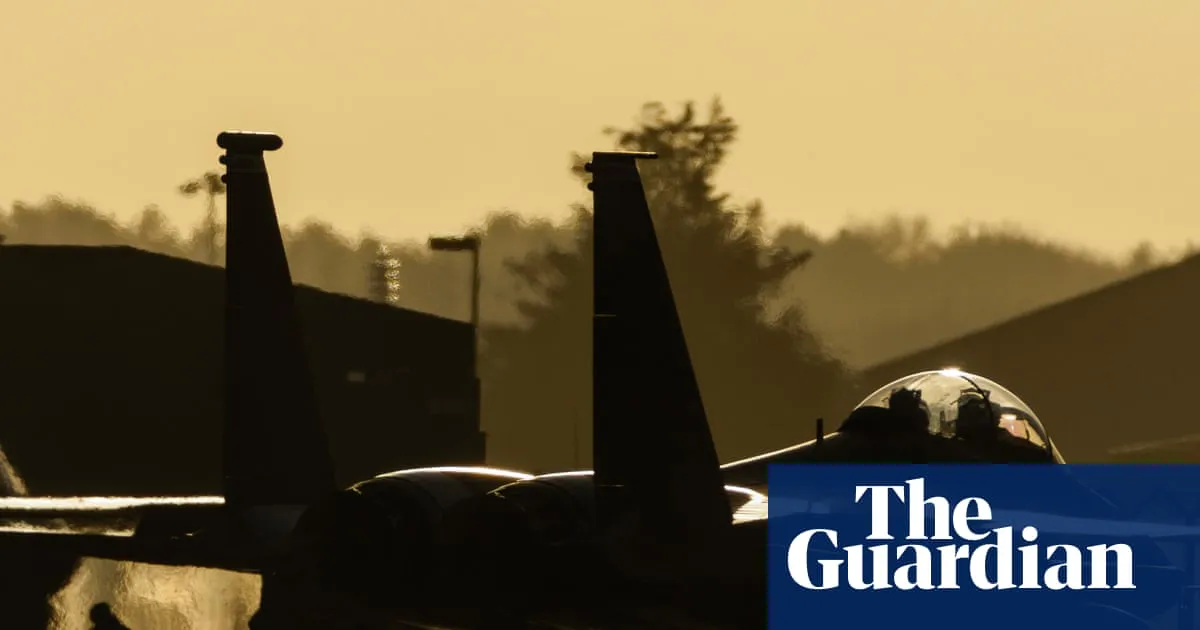
The Guardian - World NewsFIG 01
Reading time
4min
Word count
840words
Sources cited
2cited
Entities identified
12entities
Quality score
100%
§ 01
Briefing Summary
AI-generatedNEWSAR · AI
Researchers from the International Institute of Strategic Studies (IISS) have reported that Russia conducted a 18-month drone surveillance campaign targeting nuclear sites in the UK, France, Belgium, and the Netherlands. Analysis of 144 incidents, beginning in late 2024, suggests Russian intelligence operated with "substantial impunity," with drones launched from shadow fleet vessels. Sites like RAF Lakenheath and France's Île Longue nuclear submarine base were targeted by unarmed drones. The campaign, believed to be orchestrated by Russia's GRU, aimed at nuclear surveillance, reconnaissance, and psychological warfare. The IISS noted this exposed a strategic failure in NATO air defenses against low-cost, low-flying drones. Incidents appear to have decreased after European navies began seizing shadow fleet vessels in 2026.
Confidence 0.90Sources 2Claims 5Entities 12
§ 02
Article analysis
Model · rule-basedFraming
National Security
Technology
Tone
Mixed Tone
AI-assessed
CalmNeutralAlarmist
Factuality
0.80 / 1.00
Factual
LowHigh
Sources cited
2
Limited
FewMany
§ 03
Key claims
5 extracted01
The IISS report concluded Russian intelligence operated with 'substantial impunity'.
quoteInternational Institute of Strategic Studies (IISS)
Confidence
0.90
02
RAF Lakenheath in Suffolk and France's nuclear submarine base at Île Longue were among the targeted sites.
factualInternational Institute of Strategic Studies (IISS)
Confidence
0.90
03
Drones were repeatedly spotted over airbases and airports in Europe but none were captured or shot down by Western militaries.
factualInternational Institute of Strategic Studies (IISS)
Confidence
0.90
04
Russia allegedly conducted 18 months of drone surveillance over European nuclear sites using shadow fleet vessels.
factualInternational Institute of Strategic Studies (IISS)
Confidence
0.90
05
European governments have been reluctant to accuse Russia of being behind the incidents.
factualArticle
Confidence
0.80
§ 04
Full report
4 min read · 840 words§ 05
Entities
12 identifiedKey playerOppositionContextPositiveNeutralNegative
Organizations2
Locations7
§ 06
Keywords & salience
9 termsnuclear sites
1.00
drone surveillance
1.00
russia
0.90
shadow fleet vessels
0.80
nato air defences
0.70
strategic failure
0.60
european governments
0.50
us nuclear weapons
0.50
international institute of strategic studies
0.40
§ 07
Topic connections
Interactive graph No topic relationship data available yet. This graph will appear once topic relationships have been computed.