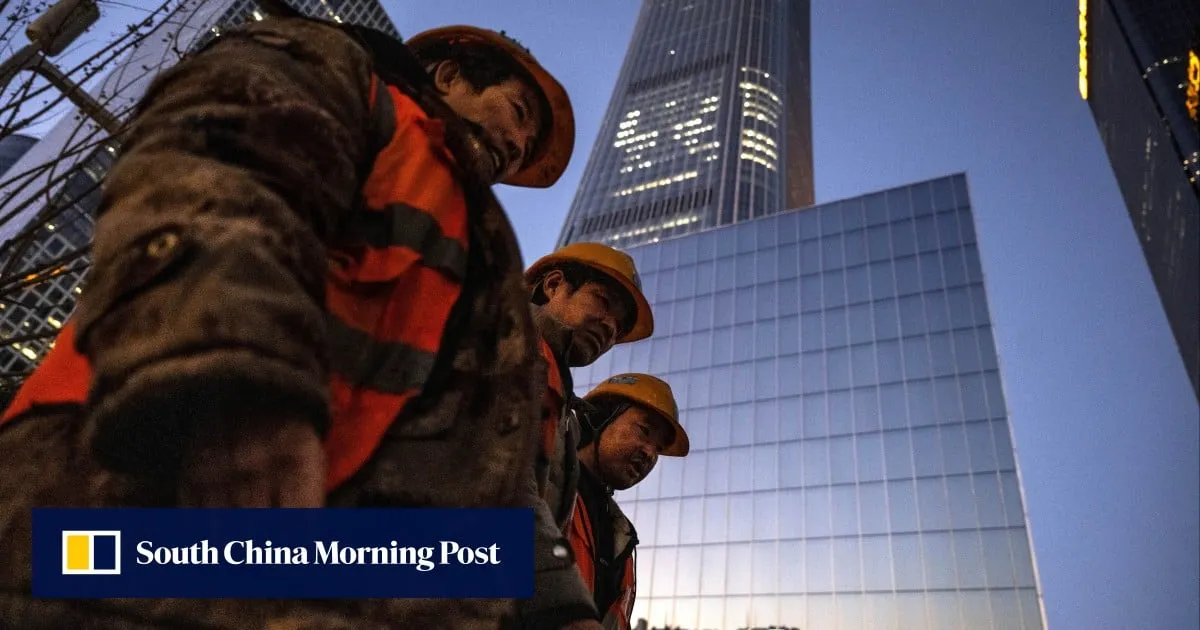
Starting in September, Wang Ming’s 12-year-old son will need to go to school in a city 120km (75 miles) from his home in Beijing.Originally from northeastern China, Wang and his wife have lived in Beijing for more than 20 years.But even though they work for a bank and insurance company they have never been able to obtain a hukou – the household registration document that serves as proof of residency and grants access to public services such as healthcare and education.The hukou system has been in place for almost 70 years, allowing the authorities to effectively control the population and allocate resources.For most people, their hukou is tied to their birthplace and to change it to where they live or work they must meet a strict set of criteria.Wang’s case is typical of hundreds of thousands living and working in the capital without a hukou. Although their son was allowed to attend elementary and middle school in the capital, he will have to take the college entrance exam in Liaoning province where they are registered.
SRCSouth China Morning Post
LANGEN
LEANCenter-Right
WORDS175
ENT5
SAT · 2026-07-04 · 04:00 GMTBRIEF NSR-2026-0704-89919
NSR-2026-0704-89919News Report·EN·Human Interest
Will reluctance from local government undermine reforms to China’s hukou system?
China's hukou system, a nearly 70-year-old household registration document, continues to restrict access to public services like education and healthcare for many citizens. For instance, Wang Ming and his wife, who have lived and worked in Beijing for over two decades, have been unable to obtain a hukou there.
Phoebe ZhangSouth China Morning PostFiled 2026-07-04 · 04:00 GMTLean · Center-RightRead · 1 min
South China Morning PostFIG 01
Reading time
1min
Word count
175words
Sources cited
0cited
Entities identified
5entities
Quality score
100%
§ 01
Briefing Summary
AI-generatedNEWSAR · AI
China's hukou system, a nearly 70-year-old household registration document, continues to restrict access to public services like education and healthcare for many citizens. For instance, Wang Ming and his wife, who have lived and worked in Beijing for over two decades, have been unable to obtain a hukou there. Consequently, their son, who attended local schools in Beijing, will have to travel 120km away to take his college entrance exam in their registered province of Liaoning. This situation highlights the challenges faced by hundreds of thousands living in major cities without a local hukou, as changing registration requires meeting strict criteria. The article suggests that local government reluctance may hinder reforms to this system.
Confidence 0.90Claims 5Entities 5
§ 02
Article analysis
Model · rule-basedFraming
Human Interest
Social Justice
Tone
Measured
AI-assessed
CalmNeutralAlarmist
Factuality
0.80 / 1.00
Factual
LowHigh
Sources cited
0
No named sources
FewMany
§ 03
Key claims
5 extracted01
Wang Ming's son will have to take the college entrance exam in Liaoning province, his registered hukou location.
factual
Confidence
1.00
02
Changing hukou registration requires meeting strict criteria, making it difficult for migrants.
factual
Confidence
1.00
03
The hukou system, in place for nearly 70 years, controls population and resource allocation.
factual
Confidence
1.00
04
Wang Ming's son, unable to obtain a hukou in Beijing, must attend school 120km away.
factual
Confidence
1.00
05
Hundreds of thousands in Beijing lack hukou, facing similar challenges to Wang Ming's family.
factual
Confidence
0.90
§ 04
Full report
1 min read · 175 words§ 05
Entities
5 identifiedKey playerOppositionContextPositiveNeutralNegative
§ 06
Keywords & salience
9 termshukou system
1.00
household registration
0.90
public services
0.80
education access
0.70
resource allocation
0.60
population control
0.60
china reforms
0.50
local government
0.40
college entrance exam
0.40
§ 07
Topic connections
Interactive graph No topic relationship data available yet. This graph will appear once topic relationships have been computed.