The world has yet to truly understand how to deal with a rapidly rising China. Even within China, some of the most learned minds are surprised at how quickly the country has taken the global lead in new economic areas, such as electric vehicles. global warming is no longer abstract; ask around in Europe this summer and people will tell you it has been unbearably hot. electric vehicles have a future, if they are not the future.Prudent Chinese literati do not lightly discuss how China should act in public. Weightier reflections are reserved for private circumstances, where the tone can be measured and the words chosen with care. Foreigners, if they wish to deal with China, might consider this. The world’s approach to China, in its variety of gestures, also sets the stage for how China may shape its outward posture.China ought to act responsibly towards smaller nations. And it often does. When Bangladesh’s new Prime Minister Tarique Rahman visited Beijing, Chinese President Xi Jinping again spoke of a shared future and prosperity. To discerning ears, these words carry the rhythm of older civilisations. Societies rise and fall on how the strong treat the weak, and how the large accommodate the small. The words are not a boring party slogan. They are really a reminder that beyond rhetoric, certain conditions endure. People need dignity. Nations need space to grow. Power must be tempered by care.Zichan, the statesman of Zheng in ancient China and my favourite go-to expert, believed that small states must behave with caution towards great powers, and that great powers should show care for small states. His counsel was not abstract philosophy but practical advice, meant to prevent ruin. He argued that if small states acted rashly, they would invite destruction, and if great powers acted arrogantly, they would sow resentment and instability.The lesson is that restraint is a condition for endurance. Western history also echoes this. Thucydides recorded the dialogue between Athens and Melos in 416 BC, in which the Athenians declared “the strong do what they can and the weak suffer what they must”. The tragedy of Melos shows what happens when power forgets restraint: a small island was destroyed because Athens could not temper its dominance.Zichan’s wisdom and Thucydides’ warning converge on the same truth: unchecked power consumes, but tempered power sustains. The parallel is not academic; it is civilisational. Both Chinese and Western traditions understood that the survival of order depends on how the strong treat the weak.Xi cites Thucydides trap to Trump during summit
SRCSouth China Morning Post
LANGEN
LEANCenter-Right
WORDS421
ENT12
SUN · 2026-07-05 · 01:30 GMTBRIEF NSR-2026-0705-90105
NSR-2026-0705-90105Opinion·EN·Political Strategy
How to manage China’s rise as a civilisational power
The world is grappling with how to manage China's rapid rise as a civilizational power, surprising even learned minds within China with its leadership in new economic areas like electric vehicles. The article suggests that China's approach to smaller nations, emphasizing a shared future and prosperity, echoes ancient civilizational wisdom.
Dong LeiSouth China Morning PostFiled 2026-07-05 · 01:30 GMTLean · Center-RightRead · 2 min
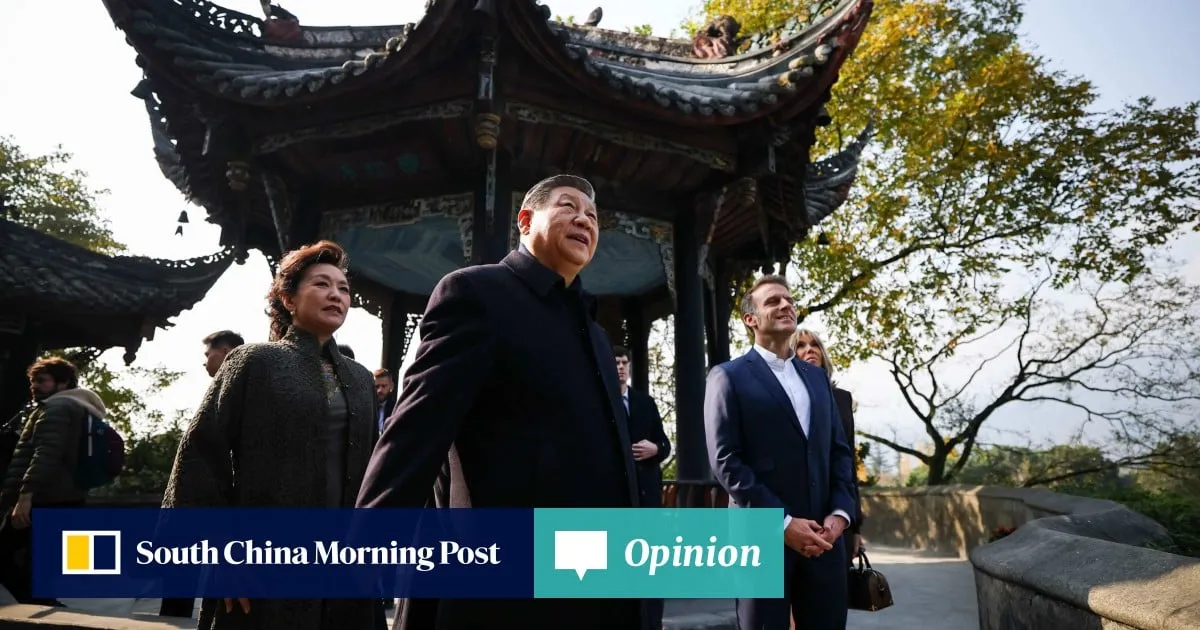
South China Morning PostFIG 01
Reading time
2min
Word count
421words
Sources cited
2cited
Entities identified
12entities
Quality score
100%
§ 01
Briefing Summary
AI-generatedNEWSAR · AI
The world is grappling with how to manage China's rapid rise as a civilizational power, surprising even learned minds within China with its leadership in new economic areas like electric vehicles. The article suggests that China's approach to smaller nations, emphasizing a shared future and prosperity, echoes ancient civilizational wisdom. Drawing on the counsel of ancient Chinese statesman Zichan and the historical example of Athens and Melos, the piece argues that restraint and care from powerful nations are crucial for enduring order. This historical perspective highlights that unchecked power leads to destruction, while tempered power sustains, a lesson understood by both Chinese and Western traditions regarding the treatment of the weak by the strong.
Confidence 0.90Sources 2Claims 5Entities 12
§ 02
Article analysis
Model · rule-basedFraming
Political Strategy
Diplomatic
Tone
Measured
AI-assessed
CalmNeutralAlarmist
Factuality
0.30 / 1.00
Opinion-Heavy
LowHigh
Sources cited
2
Limited
FewMany
§ 03
Key claims
5 extracted01
The Athenians declared 'the strong do what they can and the weak suffer what they must'.
quoteThucydides
Confidence
1.00
02
Zichan believed that small states must behave with caution towards great powers, and great powers should show care for small states.
factualarticle
Confidence
0.90
03
Societies rise and fall on how the strong treat the weak, and how the large accommodate the small.
factualarticle
Confidence
0.80
04
China has rapidly taken the global lead in new economic areas like electric vehicles.
factualarticle
Confidence
0.70
05
Prudent Chinese literati reserve weighty reflections for private circumstances.
factualarticle
Confidence
0.60
§ 04
Full report
2 min read · 421 words§ 05
Entities
12 identifiedKey playerOppositionContextPositiveNeutralNegative
People4
Organizations1
Locations6
§ 06
Keywords & salience
10 termschina's rise
1.00
civilisational power
0.90
managing power
0.80
international relations
0.70
great powers
0.60
small nations
0.60
restraint
0.50
electric vehicles
0.40
global warming
0.40
ancient china
0.40
§ 07
Topic connections
Interactive graph Network visualization showing 51 related topics
View Full Graph Person Organization Location Event|Click node to navigate|Edge numbers = shared articles