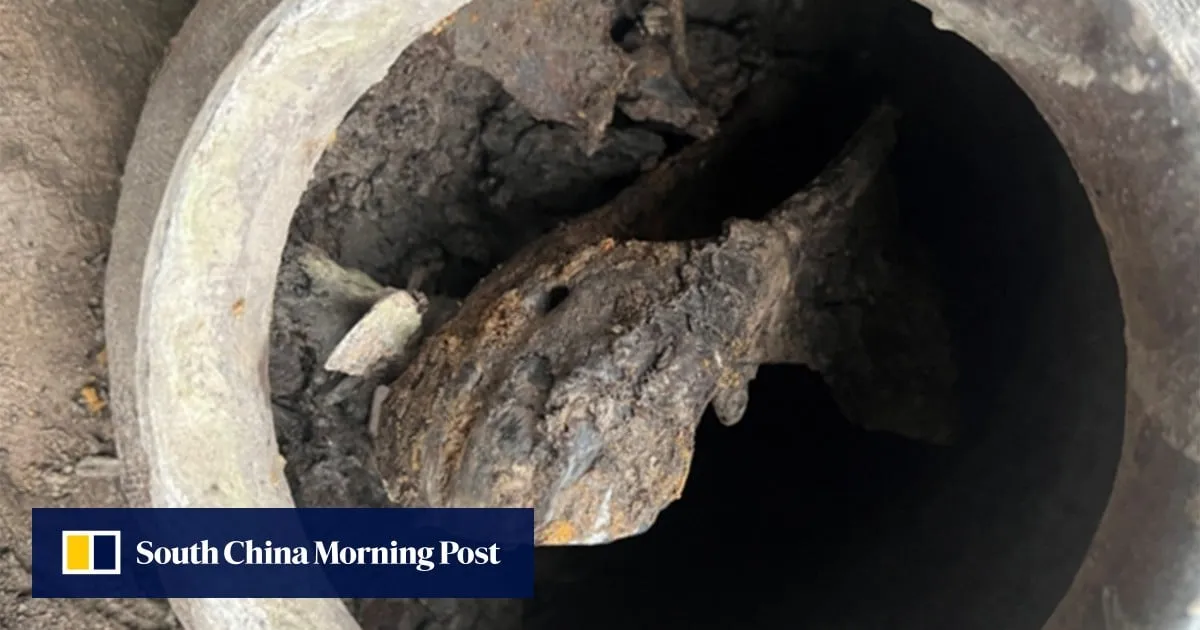
From the ancient Aztecs’ efforts to appease the sun god to Apollo’s demands in the Iliad, human history is permeated with traditions of sacrifice, and China was no exception.In Zhejiang province, eastern China, scientists recently announced the discovery of a horse’s head sealed inside pottery at an ancient ritual site, dating back to the Eastern Zhou dynasty (770–256 BC).The Eastern Zhou dynasty encompassed both the Spring and Autumn Period (770–476 BC) and the Warring States Period (475–221 BC). The Yue state, a significant region during this era, was renowned for its advanced metalwork, particularly in sword-making.According to China’s National Cultural Heritage Administration, this finding suggests that the Yue state, which thrived during the first millennium BC, conducted organised, state-sponsored sacrificial rituals.In its announcement, the heritage administration stated: “Experts note that horses were highly valued animals during the Yue Kingdom period, and the inclusion of a horse’s head in a pottery jar as a sacrificial offering underscores the high status of the object and the sophistication of the ritual system at that time.”A visitor, as shown above, views historic Chinese horse paintings at the Hong Kong Palace Museum in the West Kowloon Cultural District. In ancient China, horses were the ultimate status symbols—directly reflecting military power, elite hierarchy, and advanced state ritualism. Photo: SCMP/Karma LoPreviously, horse bones were typically interred in pits or ditches; the presence of a skull in a jar indicates that this particular sacrifice was overseen by the highest echelons of Yue society.
SRCSouth China Morning Post
LANGEN
LEANCenter-Right
WORDS245
ENT10
SUN · 2026-07-05 · 08:00 GMTBRIEF NSR-2026-0705-90172
NSR-2026-0705-90172News Report·EN·Human Interest
Chinese scientists’ horse-head discovery sheds light on ancient elite sacrificial traditions
Scientists in Zhejiang province, China, have discovered a horse's head sealed in pottery at an ancient ritual site. The find dates back to the Eastern Zhou dynasty (770–256 BC), specifically during the Yue state's prominence.
Kevin McSpaddenSouth China Morning PostFiled 2026-07-05 · 08:00 GMTLean · Center-RightRead · 1 min
South China Morning PostFIG 01
Reading time
1min
Word count
245words
Sources cited
1cited
Entities identified
10entities
Quality score
100%
§ 01
Briefing Summary
AI-generatedNEWSAR · AI
Scientists in Zhejiang province, China, have discovered a horse's head sealed in pottery at an ancient ritual site. The find dates back to the Eastern Zhou dynasty (770–256 BC), specifically during the Yue state's prominence. This discovery suggests the Yue state conducted organized, state-sponsored sacrificial rituals. Experts note that horses were highly valued, and placing a horse's head in a pottery jar indicates a high-status offering and a sophisticated ritual system. Previously, horse bones were interred differently, making this discovery unique and indicative of oversight by the highest levels of Yue society.
Confidence 0.90Sources 1Claims 5Entities 10
§ 02
Article analysis
Model · rule-basedFraming
Human Interest
Social Justice
Tone
Measured
AI-assessed
CalmNeutralAlarmist
Factuality
0.80 / 1.00
Factual
LowHigh
Sources cited
1
Limited
FewMany
§ 03
Key claims
5 extracted01
The discovery dates back to the Eastern Zhou dynasty (770–256 BC).
factualarticle
Confidence
1.00
02
Scientists discovered a horse's head sealed inside pottery at an ancient ritual site in Zhejiang province, China.
factualarticle
Confidence
1.00
03
The presence of a skull in a jar, unlike previous interments in pits or ditches, indicates this sacrifice was overseen by the highest echelons of Yue society.
factualarticle
Confidence
0.90
04
Horses were highly valued animals during the Yue Kingdom period, and their inclusion in rituals underscored the high status of the object and the sophistication of the ritual system.
quoteChina's National Cultural Heritage Administration
Confidence
0.90
05
This finding suggests the Yue state conducted organized, state-sponsored sacrificial rituals.
factualChina's National Cultural Heritage Administration
Confidence
0.90
§ 04
Full report
1 min read · 245 words§ 05
Entities
10 identifiedKey playerOppositionContextPositiveNeutralNegative
Organizations2
Locations4
Events3
§ 06
Keywords & salience
10 termssacrificial traditions
1.00
yue state
0.90
eastern zhou dynasty
0.90
horse sacrifice
0.80
ancient ritual site
0.70
state-sponsored rituals
0.60
elite hierarchy
0.60
pottery jar
0.50
metalwork
0.40
spring and autumn period
0.40
§ 07
Topic connections
Interactive graph Network visualization showing 51 related topics
View Full Graph Person Organization Location Event|Click node to navigate|Edge numbers = shared articles