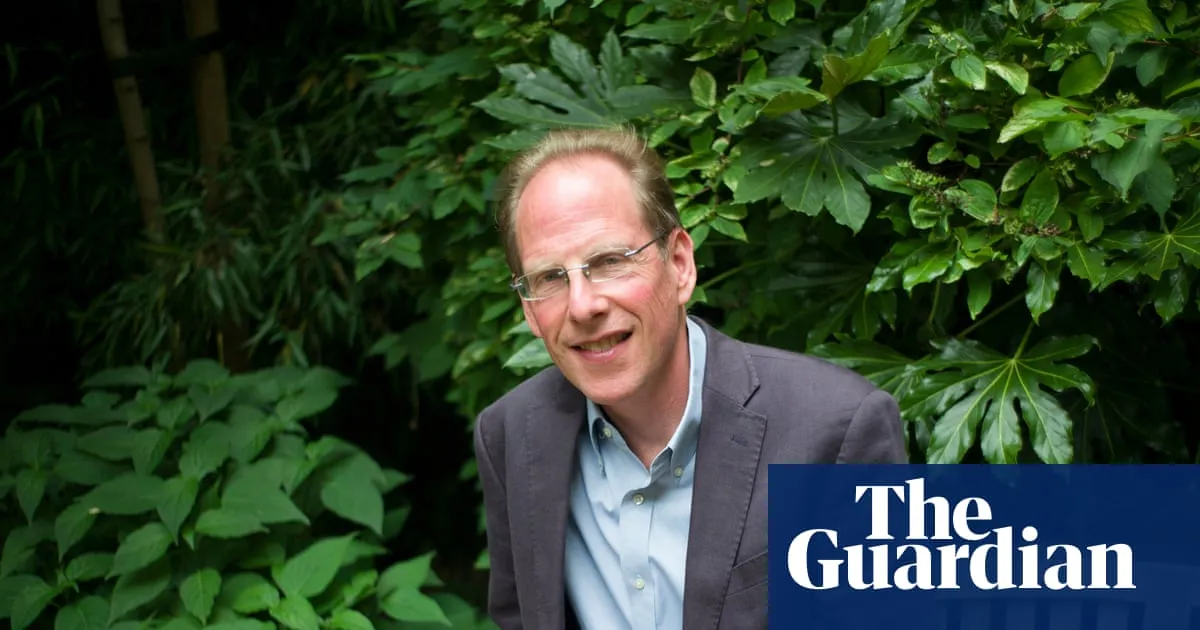
The scientist who pioneered the “extreme male brain” theory of autism has said he regrets characterising the condition in this way because the phrase lends itself to misunderstandings.Prof Simon Baron-Cohen’s theory that autistic people tend strongly towards systemising over empathising has been hugely influential in shaping the popular perception of autism over the past two decades. The underlying science had stood the test of time, he said, but he now views the “extreme male brain” label as unhelpful.“Some of those terms were very easily misunderstood and so I do regret that,” he said. “It can lead to simplistic headlines like ‘autistic people lack empathy’, which is not true.“Some of that language, like male brain and female brain, I just don’t think it’s useful today.”Speaking to the Guardian before the announcement of a £26m ($34.5m) gift to Cambridge University from the US philanthropist Lisa Yang, Baron-Cohen said the funding would be used for research guided by the priorities of the autistic community.It is one of the largest ever donations to a UK university for autism research and will be used to create the autism-research" class="entity-link entity-organization" data-entity-id="159179" data-entity-type="organization">K Lisa Yang Centre for autism Research, and a clinical autism centre in a future Cambridge children’s hospital, both of which Baron-Cohen will oversee.The research centre is expected to focus on improving life expectancy and health outcomes for autistic people, earlier diagnosis and practical solutions to improve quality of life. The physical health of autistic people, in particular, is an area that has been overlooked, according to Baron-Cohen.“Although people think of autism as to do with the mind and the brain, what’s been neglected is the fact that autistic people tend to die younger,” he said.Recent findings by his team, which are yet to be peer-reviewed, suggest autistic people are at substantially increased risk of cardiovascular disease. Based on data from 141,672 people, they concluded that autistic women were at 71% higher risk of a heart attack, stroke and other serious cardiac events, even after taking into account known risk factors such as blood pressure, diabetes and obesity.“If you’d asked me 20 years ago to look at autism and cardiovascular disease, it just wouldn’t have been on our radar, but it’s come from the autism community,” Baron-Cohen said.Reasons for the association could include difficulty accessing NHS services, lifestyle or genetic factors. “It suggests if your patient is autistic, you need to be looking for these particular things as well,” he said. “It could have a direct benefit.”The centre is also likely to explore physical health experiences of autistic women, including distress related to childbirth and menstrual issues, which some previous findings indicate may be more common.“That could relate to the sensory hypersensitivity, but it could be directly hormonal as well,” said Baron-Cohen. “The dialogue with the autism community is changing where we shine a light and which are the phenomena, or the problems, that need attention and that were being neglected.”Baron-Cohen has previously sparked controversy in the autism community, dating back to his “extreme male brain” theory, which was criticised for framing autism as an empathy deficit and reinforcing gender stereotypes.In fact, he said, his own research showed that autistic people tend to differ in cognitive empathy (interpreting facial expressions and language) but not affective empathy (the internal response to others’ feelings). “Once they know that someone is upset, it upsets them and they want to do something about it,” he said. “There’s a kind of myth that autistic people lack empathy.”More recently, Baron-Cohen’s team faced a backlash over a plan to sequence the genomes of 10,000 autistic people, which eventually resulted in the project being dropped after a two-year consultation with the autistic community. He said there was now a far greater emphasis on consultation at an early enough stage for research priorities to be shaped, or enriched, by the input of autistic people.“I can’t generalise, but many autistic people think differently, they’re not just being led by fashion or convention, they’re thinking from first principles for themselves and might come up with a very fresh way of looking at something,” he said.The Cambridge donation comes against a backdrop of a continued rise in autism diagnoses. There was a nearly 800% increase in the UK between 1998 and 2018 and, in 2024-2025 the number of cases of children referred to mental health services with possible autism rose by almost 50% in a single year.Some argue that “over-diagnosis” is to blame, but Baron-Cohen dismissed the idea that people would seek a diagnosis in “a casual way”. His team is doing a pilot of whether GPs can diagnose autism as accurately as specialist referral centres, which he said could “cut the waiting lists overnight”.
SRCThe Guardian - World News
LANGEN
LEANCenter-Left
WORDS775
ENT10
SUN · 2026-07-05 · 14:02 GMTBRIEF NSR-2026-0705-90234
NSR-2026-0705-90234News Report·EN·Public Health
Pioneer of ‘extreme male brain’ theory of autism now says phrase unhelpful
Professor Simon Baron-Cohen, who developed the "extreme male brain" theory of autism, now regrets the terminology, stating it is easily misunderstood and contributes to the myth that autistic people lack empathy. He clarified that while autistic individuals may differ in cognitive empathy, they possess affective empathy.
Hannah Devlin Science correspondentThe Guardian - World NewsFiled 2026-07-05 · 14:02 GMTLean · Center-LeftRead · 4 min
The Guardian - World NewsFIG 01
Reading time
4min
Word count
775words
Sources cited
2cited
Entities identified
10entities
Quality score
100%
§ 01
Briefing Summary
AI-generatedNEWSAR · AI
Professor Simon Baron-Cohen, who developed the "extreme male brain" theory of autism, now regrets the terminology, stating it is easily misunderstood and contributes to the myth that autistic people lack empathy. He clarified that while autistic individuals may differ in cognitive empathy, they possess affective empathy. Baron-Cohen's research, supported by a significant donation to Cambridge University, will now prioritize the needs of the autistic community, focusing on areas like improving physical health outcomes, as autistic people have a higher risk of conditions like cardiovascular disease. The new research center aims for earlier diagnosis and practical solutions to enhance quality of life, acknowledging the crucial input from autistic individuals in shaping research priorities.
Confidence 0.90Sources 2Claims 5Entities 10
§ 02
Article analysis
Model · rule-basedFraming
Public Health
Human Interest
Tone
Measured
AI-assessed
CalmNeutralAlarmist
Factuality
0.70 / 1.00
Factual
LowHigh
Sources cited
2
Limited
FewMany
§ 03
Key claims
5 extracted01
New research will focus on improving life expectancy, health outcomes, and quality of life for autistic people.
factualarticle
Confidence
1.00
02
The physical health of autistic people, including premature mortality, has been an overlooked area of research.
quoteSimon Baron-Cohen
Confidence
1.00
03
A $34.5m gift from Lisa Yang will fund new autism research and clinical centers at Cambridge University.
factualarticle
Confidence
1.00
04
Scientist Simon Baron-Cohen regrets the phrase 'extreme male brain' theory of autism due to misunderstandings.
quoteSimon Baron-Cohen
Confidence
1.00
05
Autistic people are at substantially increased risk of cardiovascular disease, with autistic women showing a 71% higher risk of heart attack or stroke.
statisticSimon Baron-Cohen (based on yet-to-be-peer-reviewed findings)
Confidence
0.80
§ 04
Full report
4 min read · 775 words§ 05
Entities
10 identifiedKey playerOppositionContextPositiveNeutralNegative
Organizations3
§ 06
Keywords & salience
9 termsautism research
1.00
extreme male brain theory
0.90
simon baron-cohen
0.80
systemising vs empathising
0.70
cardiovascular disease
0.70
autistic community priorities
0.60
physical health outcomes
0.50
cambridge university
0.40
lisa yang
0.40
§ 07
Topic connections
Interactive graph No topic relationship data available yet. This graph will appear once topic relationships have been computed.